
Description
1. Product Overview
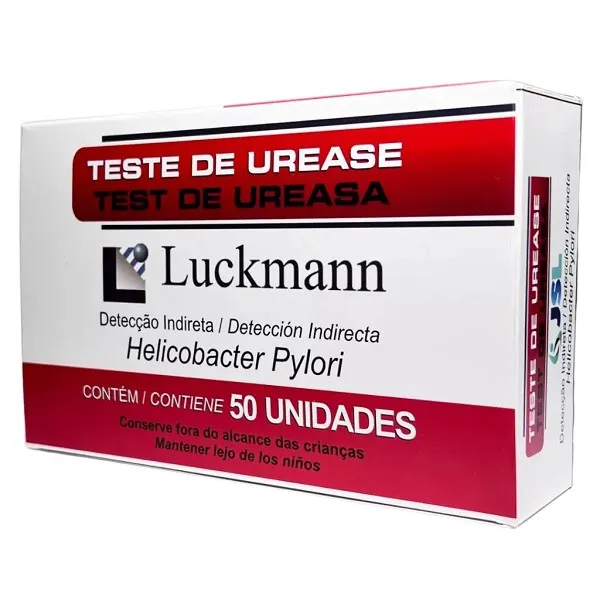
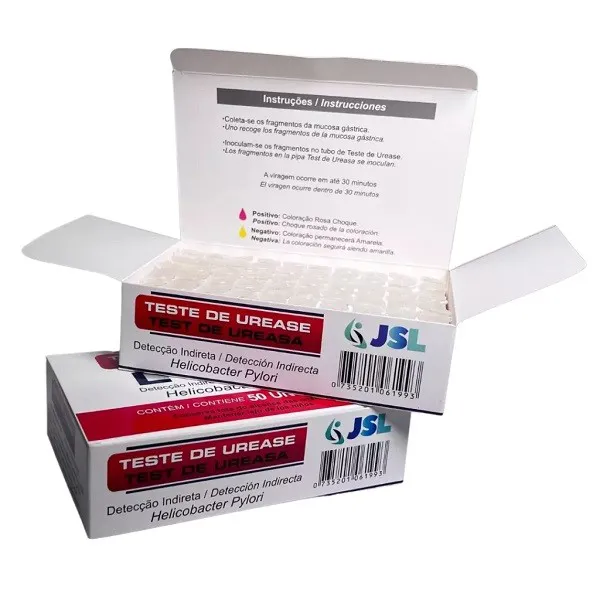
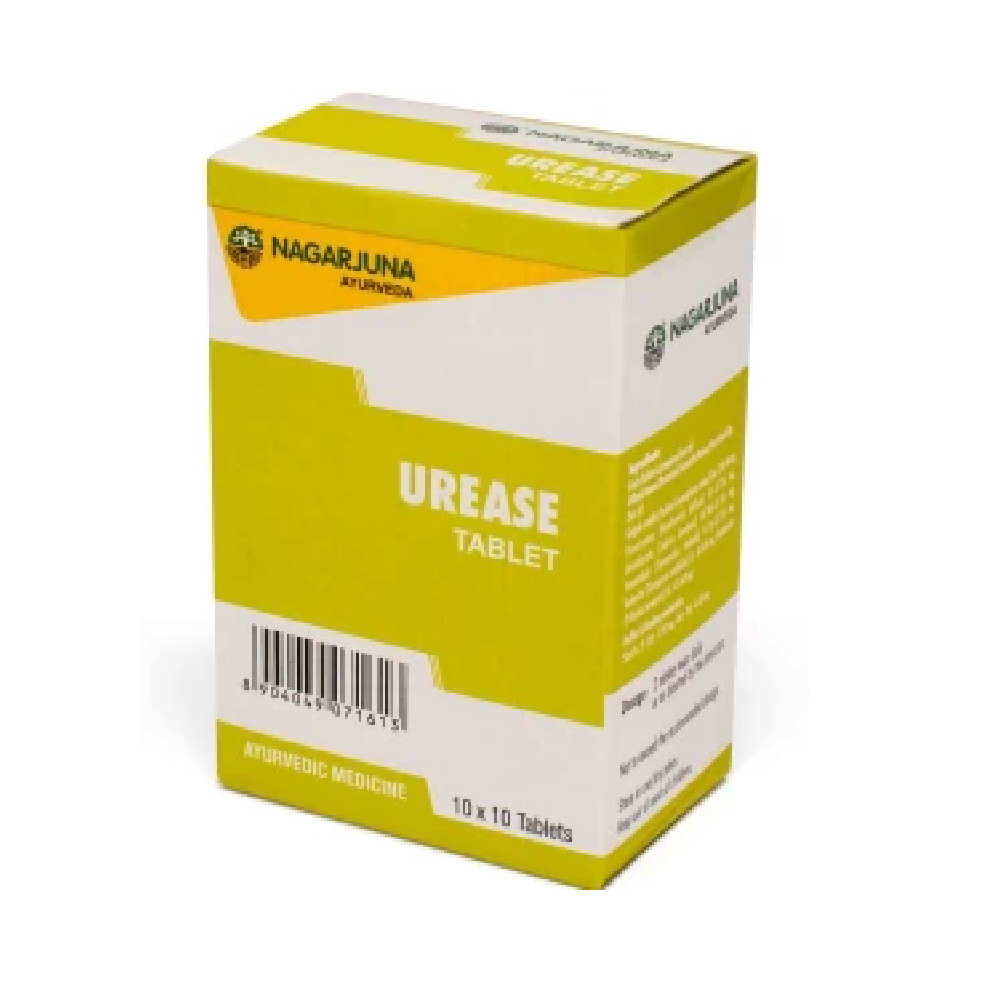
Urease is a nickel-dependent metalloenzyme that catalyzes the hydrolysis of urea to ammonia and carbon dioxide with exceptional substrate specificity. Industrially, it is deployed in soil stabilization, wastewater treatment, and biocement production, where precise ammonia release drives targeted mineralization. The value proposition lies in its high specific activity (≥150 U/mg), enabling lower enzyme loading and faster reaction kinetics than chemical or microbial alternatives. Strategically, as industries pivot to low-carbon construction and circular water management, Urease offers a scalable, non-toxic biocatalytic solution that reduces energy input by up to 70% compared to thermal urea processing.
2. Key Specifications & Technical Characteristics
-
Chemical composition: Nickel-dependent urease (EC 3.5.1.5), >95% protein basis, <5% stabilizers (trehalose, NaCl)
-
Purity: ≥95% by SDS-PAGE; active unit: ≥150 U/mg (one unit hydrolyzes 1 µmol urea/min at pH 7.0, 25°C)
-
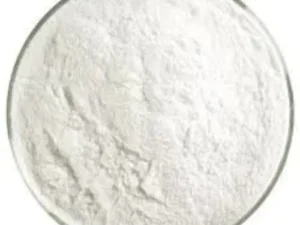
Physical form: Lyophilized white to off-white powder; particle size D90 <100 µm; bulk density 0.4–0.6 g/cm³
-
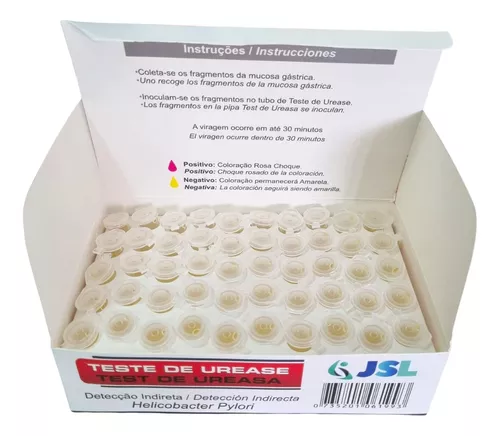
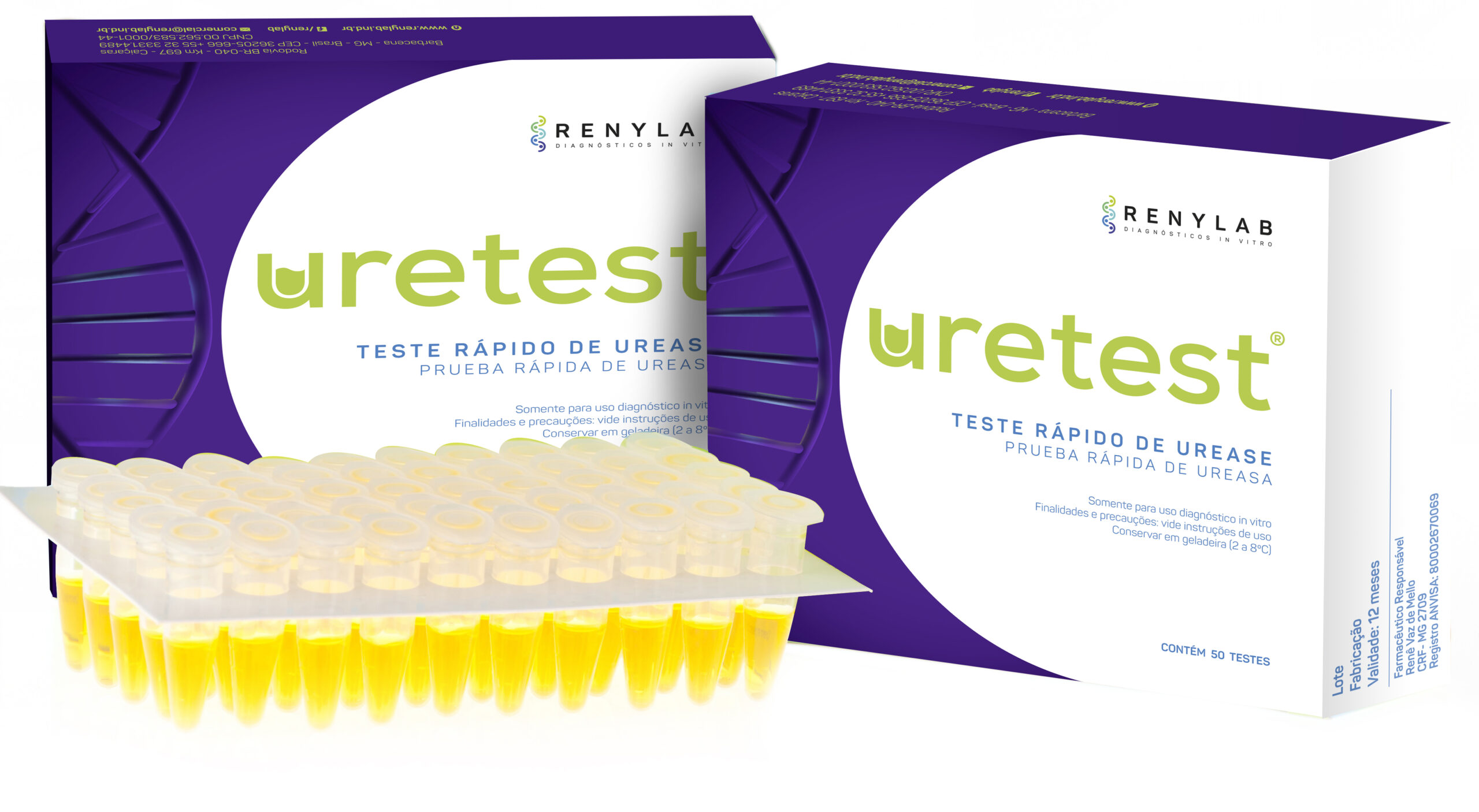
Packaging options: 1 kg, 5 kg, 25 kg foil-lined HDPE drums with desiccant; custom aseptic packaging available
-
Shelf life: 24 months at 2–8°C (unopened); 12 months at -20°C for high-humidity environments
3. Core Industrial Applications
-
Primary industries: Construction (biocementation), environmental engineering (urea removal), mining (dust control), CO₂ capture (biocatalytic mineralization)
-
Operational use cases: (1) Soil grouting: inject with urea and calcium source to precipitate CaCO₃, increasing soil shear strength by 300–500 kPa. (2) Wastewater pretreatment: removes urea from industrial effluent before biological treatment, preventing ammonia toxicity. (3) CO₂ sequestration: enzymatically liberates carbonate ions from urea to form stable calcium carbonate in flue gas systems.
-
Performance advantages: 0% byproduct formation vs. microbial urease (no live organism disposal); 10× higher turnover number than chemical catalysts; stable across pH 6.5–8.5 and 15–55°C.
-
Cost advantage: Reduces chemical urea hydrolysis time from 24+ hours to <2 hours; cuts energy costs by eliminating high-temperature ammonia stripping.
4. Competitive Advantages
-
Quality consistency: Batch-to-batch activity variance <±5%; each lot tested for heavy metals (Ni²⁺ ≤0.1 ppm) and endotoxins (<10 EU/mg)
-
Supply reliability: Dual sourcing from GMP and industrial-grade facilities; 99.5% on-time delivery rate over 36 months
-
Logistics capability: Cold-chain (2–8°C) and ambient dry-ice shipping options; 72-hour dispatch for stocked SKUs
-
Price competitiveness: Tiered pricing from $45–$85/1,000 U (10–90% less than specialty biochemical suppliers for >10 kg orders)
-
Sustainability: Biodegradable enzyme; production uses water-based recovery (no organic solvents); 80% lower carbon footprint vs. synthetic catalysts
-
Technical support: Detailed batch-specific CoA, SDS, application protocols, and on-call process engineering support for scale-up
5. Commercial & Supply Information
-
Minimum order quantity (MOQ): BULK 20 MT (metric tons)
-
Loading capacity: 20 MT per 20-foot dry reefer container (palletized, 24 pallets at 833 kg/pallet)

Reviews
There are no reviews yet.