
Description
-
Product Overview
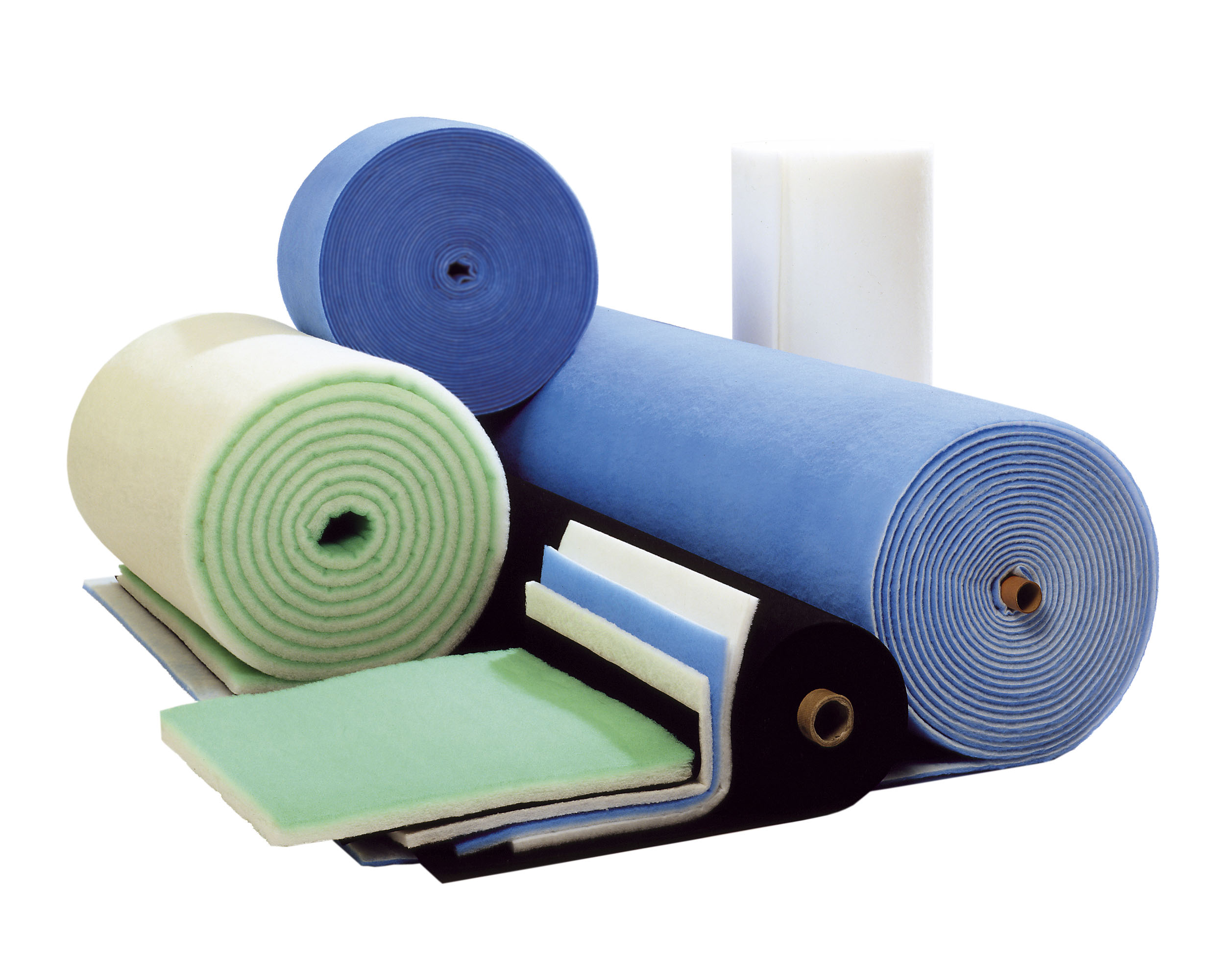
Synthetic filtration media is a high-performance engineered polymeric material designed for use in industrial liquid and gas separation systems. It provides precise particle retention, high permeability, and chemical resistance for applications such as water treatment, chemical processing, pharmaceuticals, and petrochemical filtration. The primary value proposition is predictable, long-life filtration performance that reduces downtime and total cost of ownership through stable flux, minimal compaction, and predictable replacement cycles. Strategically, this product enables industrial operators and OEMs to meet tighter effluent and product-specification targets while simplifying inventory and supplier management.
-
Key Specifications & Technical Characteristics
-
Chemical composition: Engineered synthetic polymer matrix (polypropylene, polyethylene, or polyester variants), optionally reinforced with inert fibrous substrates or microglass layers.
-
Purity/grade: Industrial/technical grade; free of process oils and manufacturing residues; available in certified food-contact or pharma-grade variants upon request.
-
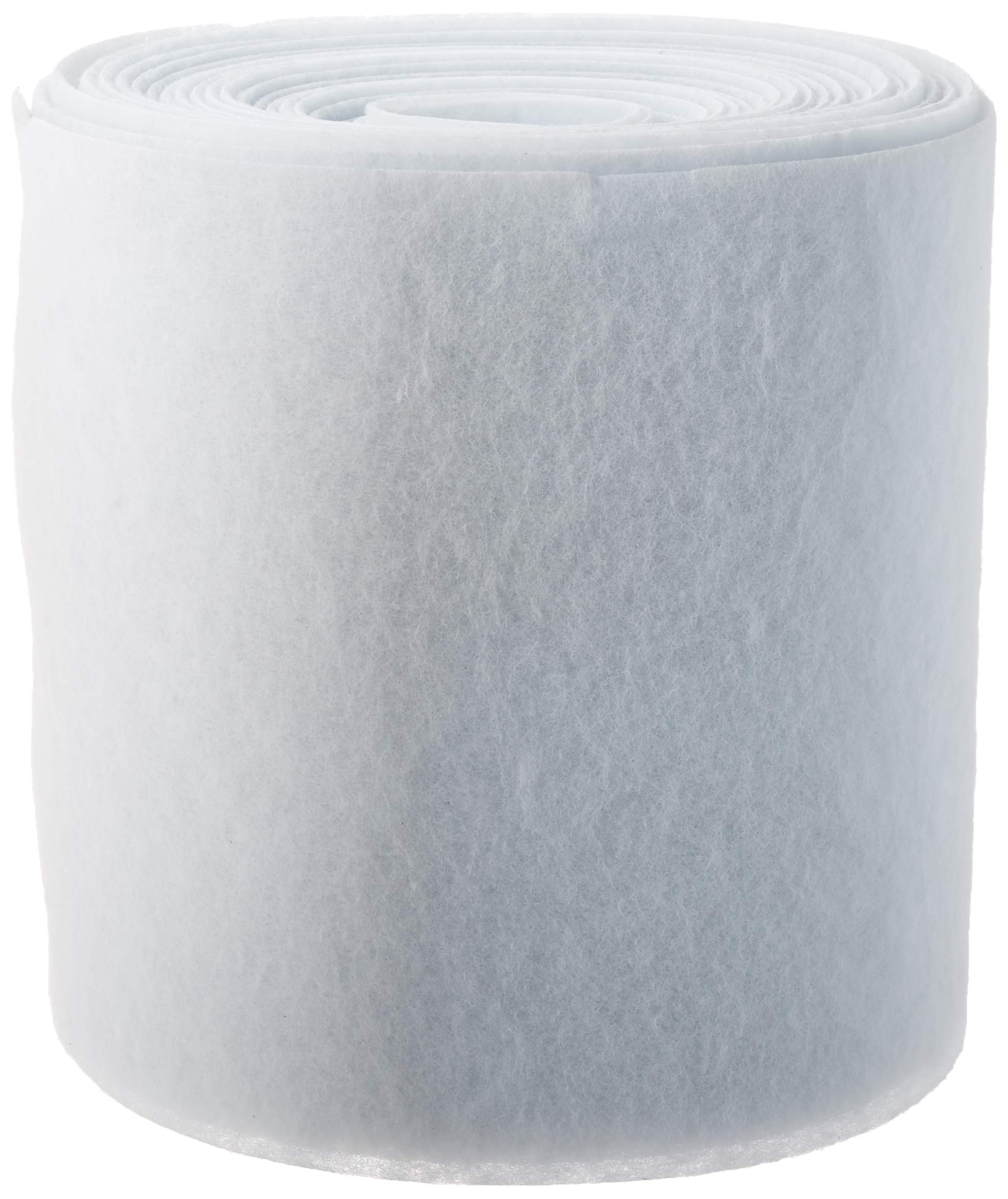
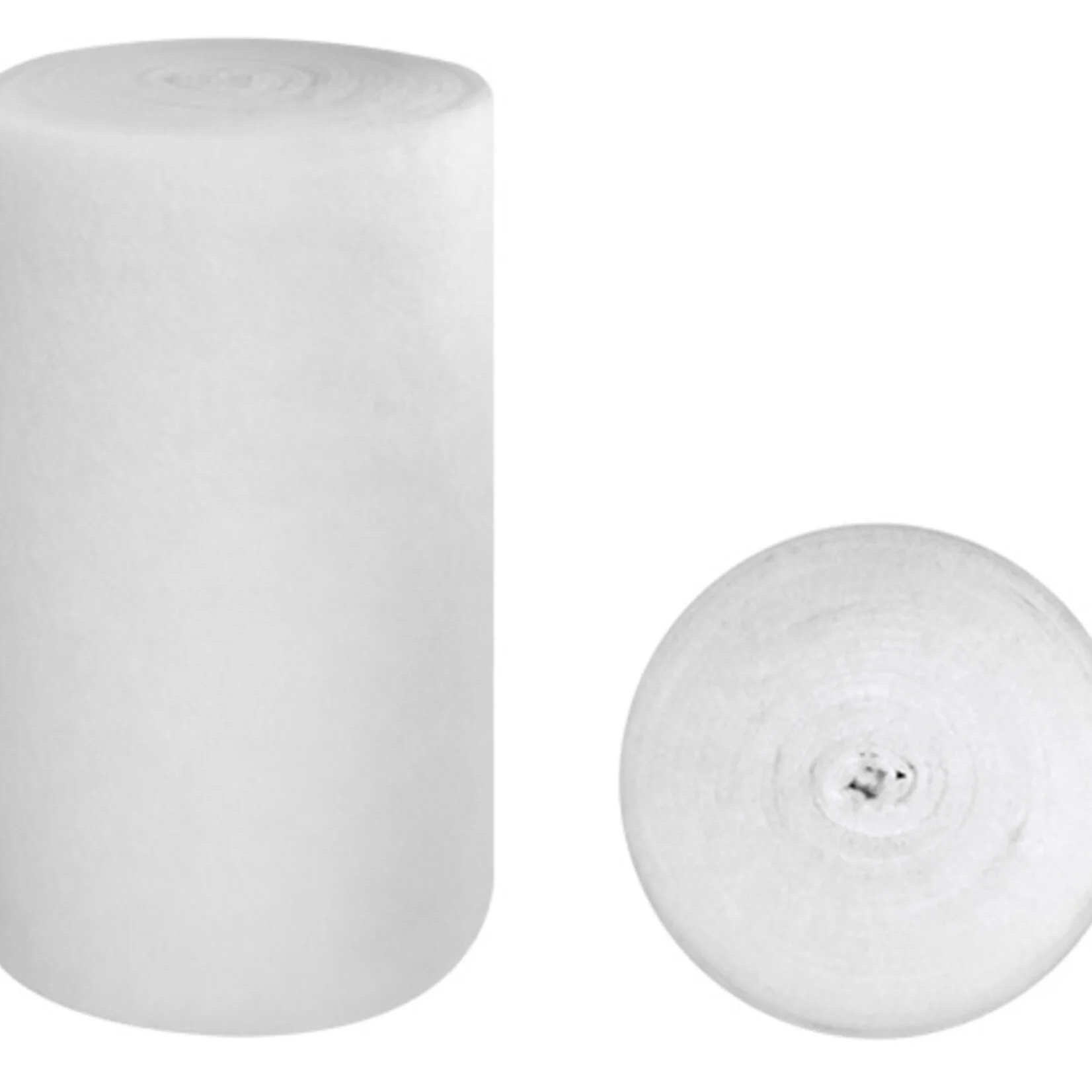
Physical form: Rollstock, pleatable sheets, or cut-to-size pads; also supplied as pleated cartridges or pleated module media.
-
Color: Natural (off-white to beige) or dyed per specification for traceability.
-
Effective pore size / micron ratings: 0.1 µm — 100 µm options (specify rating per order).
-
Particle retention class: Nominal and absolute retention options (e.g., 99.9% @ specified micron for absolute media).
-
Thickness: 0.2 mm — 10 mm (depending on construction).
-
Basis weight / density: 50 — 800 g/m² (or specified g/L for depth media); apparent bulk density dependent on media type.
-
Hydraulic/air permeability: High permeability construction providing low differential pressure at target flow rates (performance curves available).
-
Temperature range: Continuous service up to 120°C for standard polymers; high-temperature formulations up to 200°C available.
-
Chemical compatibility: Resistant to acids, bases, solvents typical in industrial streams; compatibility matrix provided per polymer selection.
-
Mechanical properties: Tensile strength and elongation values certified per batch; low compaction under sustained differential pressures.
-
Contaminant loading capacity: Specified in g/L and as percent capacity decline at defined flux; performance curves provided.
-
Filtration efficiency & flux stability: Data-backed long-run flux retention and backwashability where applicable.
-
Packaging options: Industrial kraft-wrapped pallets, shrink-wrapped rolls, sealed polybag in corrugated boxes, bulk drums for cut media, and ISO-flexi or bulk bags for loose media.
-
Shelf life: 24 months under recommended storage (dry, <30°C, out of UV exposure); shelf-life extension with sealed packaging options.
-
Testing & certification: Supplied with certificate of analysis (COA), lot traceability, optional third-party test reports (ISO, ASTM test references available on request).
-
Core Industrial Applications
-
Water & Wastewater Treatment: Primary and secondary filtration, pre-filtration ahead of membrane systems, tertiary polishing to meet discharge limits. Delivers consistent turbidity and suspended solids removal with lower backwash frequency than conventional media.
-
Chemical & Petrochemical Processing: Protects downstream catalysts and heat exchangers by removing particulates and corrosion products; compatible with process chemistries to limit media degradation.
-
Pharmaceuticals & Bioprocessing: Sterile and clarified filtration stages using pharma-grade formulations; low extractables and cleanroom-compatible packaging.
-
Food & Beverage: Clarification and polishing where FDA-compliant grades are required; reduces product loss and supports HACCP compliance.
-
Industrial Air Filtration & Gas Separation: Engineered variants for particulate capture in compressed air systems and process gas conditioning.
Why it performs better: -
Tailored polymer chemistry and controlled pore structures deliver consistent cut-off performance and higher permeability versus natural media and generic fibrous mats.
-
Engineered mechanical resilience reduces compaction and media replacement frequency, improving uptime.
-
Controlled manufacturing yields batch-to-batch consistency, enabling predictable process control and easier scale-up for multi-site operations.
-
Competitive Advantages
-
Quality consistency: Tight manufacturing tolerances and COA-backed batch traceability ensure reproducible filtration performance across orders.
-
Supply reliability: Manufactured at multi-site facilities with safety stock and rolling production schedules to support global B2B supply chains and minimize lead-time risk.
-
Logistics capability: Flexible packaging and containerization options, palletized shipping, and export documentation support seamless international freight and customs clearance.
-
Price competitiveness: Scalable production and optimized material selection achieve competitive unit costs for large-volume buyers without compromising performance.
-
Sustainability benefits: Options for recyclable polymer formulations, low-waste production techniques, and lower operational energy via reduced differential pressure, contributing to lower lifecycle emissions.
-
Technical support: Detailed technical datasheets, filtration sizing tools, performance curves, on-request pilot testing, and engineering support for integration into existing systems.
-
Regulatory & documentation: COA, material safety data sheets (MSDS), and compliance documentation available to support procurement approvals and regulatory audits.
-
Commercial & Supply Information
-
Minimum order quantity (MOQ): BULK 20MT.
-
Loading capacity (MT per container): Typical container loading up to 20 MT per 20-foot container (subject to packaging format and media density); up to 24–26 MT per 40-foot container for optimized palletization.
Reviews
There are no reviews yet.