
Description
1. Product Overview
Sunflower Meal Protein is a high-value plant-based protein ingredient produced from defatted sunflower seeds after oil extraction, offering a sustainable source of functional nutrition for animal feed and food applications. It is primarily used in livestock, aquaculture, and specialty protein formulations where consistent amino acid profiles and clean-label plant ingredients are required. With strong nutritional performance, cost efficiency, and renewable sourcing advantages, Sunflower Meal Protein provides manufacturers with a reliable alternative to traditional protein meals such as soybean meal. Its growing importance in global markets is driven by rising demand for sustainable protein sources and diversified agricultural supply chains.
2. Key Specifications & Technical Characteristics
- Product Type: Plant-based protein meal derived from sunflower seed processing
- Primary Components: Sunflower protein concentrate, residual dietary fiber, natural minerals, amino acids, and trace nutrients
- Protein Content: Typically 28–45% crude protein depending on processing grade and concentration level
- Moisture Content: Generally ≤10–12%
- Fat Content: Low residual oil content, typically ≤2–5% depending on extraction method
- Fiber Content: Moderate fiber levels suitable for ruminant feed and specialized formulations
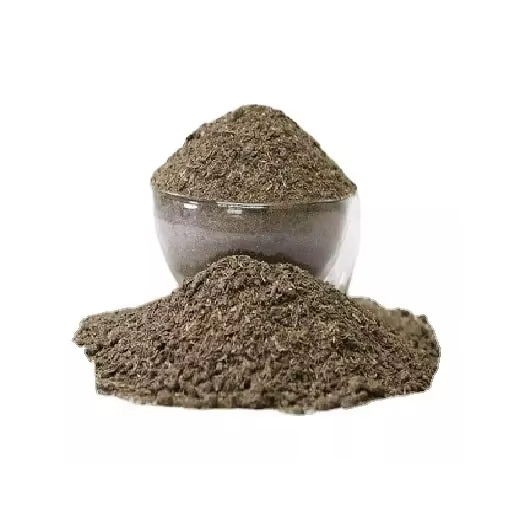
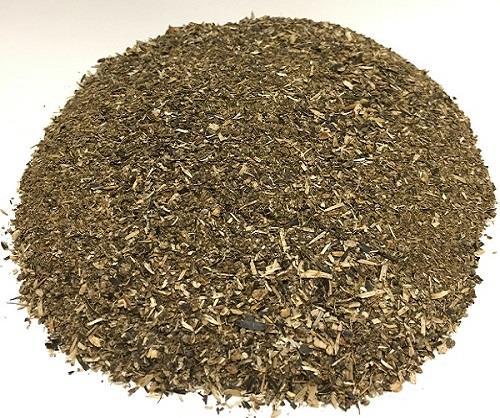
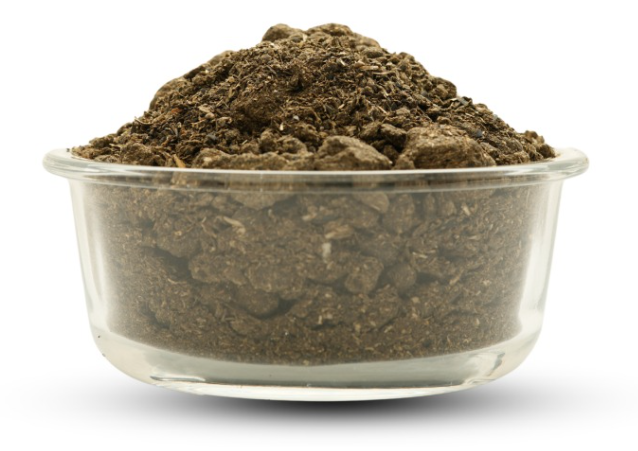
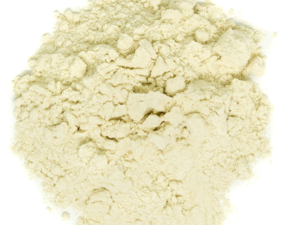
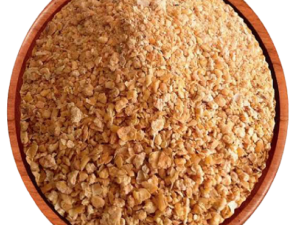
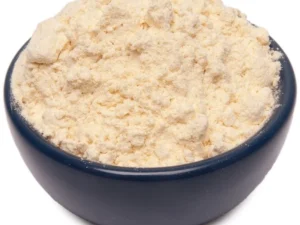
- Physical Form: Fine meal or powder
- Color: Light brown to golden brown
- Particle Size: Customized according to customer requirements and application needs
- Bulk Density: Typically 0.45–0.65 g/cm³ (varies by processing conditions)
- Grade Options: Feed grade, protein-enhanced grade, and specialty ingredient grade
- Packaging Options: 25 kg bags, 500–1,000 kg bulk bags, or bulk container shipment
- Shelf Life: Typically 12–24 months when stored in a cool, dry environment with proper moisture protection
3. Core Industrial Applications
- Animal Feed Industry: Used as a high-quality protein ingredient in poultry, cattle, sheep, and aquaculture feed formulations to support growth, muscle development, and feed efficiency.
- Pet Nutrition: Incorporated into premium pet food formulations as a plant-based protein source with functional nutritional value.
- Aquaculture Feed: Provides balanced protein supplementation for fish and shrimp feed while reducing reliance on conventional marine proteins.
- Food Ingredient Applications: Protein-enhanced sunflower derivatives are used in plant-based nutrition products, protein blends, and functional food formulations.
- Feed Manufacturing Advantages: Offers competitive protein value, excellent availability, and lower supply chain risk compared with dependence on single-source protein ingredients such as soybean meal.
- Operational Benefits: Supports cost optimization, sustainable formulation strategies, and improved ingredient diversification for large-scale manufacturers.
4. Competitive Advantages
- Consistent Quality: Manufactured under controlled processing conditions to deliver reliable protein content, nutritional performance, and batch-to-batch consistency.
- Reliable Supply Capability: Supported by established sunflower cultivation and oil-processing networks, ensuring dependable year-round availability.
- Global Logistics Readiness: Available in bulk shipment formats with export-standard packaging suitable for international supply chains.
- Cost Competitiveness: Provides an economical protein alternative with attractive value compared with conventional protein sources.
- Sustainability Benefits: Utilizes sunflower processing by-products, improving resource efficiency and supporting circular agricultural practices.
- Technical Documentation: Available with product specifications, nutritional analysis, quality certificates, and compliance documentation to support industrial procurement requirements.
- Strategic Sourcing Value: Enables manufacturers to secure sustainable, scalable, and cost-effective plant protein supply for expanding global nutrition markets.
5. Commercial & Supply Information
- Minimum Order Quantity (MOQ): BULK 20 MT
- Loading Capacity: Approximately 20–25 MT per 20-foot container (depending on packaging method and shipping regulations)
Reviews
There are no reviews yet.