
Description
1. Product Overview
Sugarcane Bagasse (Pelleted) is a densified, renewable biomass product derived from de-fibered sugarcane stalk residue after juice extraction. Its primary industrial use is as a direct combustion fuel in biomass boilers, gasification plants, or as a raw material for molded pulp packaging. The key value proposition is a consistent, high-calorific (4,200+ kcal/kg), low-ash (<4%) fuel that replaces coal or wood pellets without retooling most feeders. Strategically important as global industries pivot from fossil fuels to carbon-neutral, agricultural-residue-based feedstocks with verifiable sustainability credentials.
2. Key Specifications & Technical Characteristics
-
Chemical composition: Cellulose (45–50%), hemicellulose (25–30%), lignin (18–22%), ash (<4%)
-
Purity level / grade: Industrial Grade A – No sand, stones, or metal; ≤0.5% foreign matter
-
Physical characteristics:
-
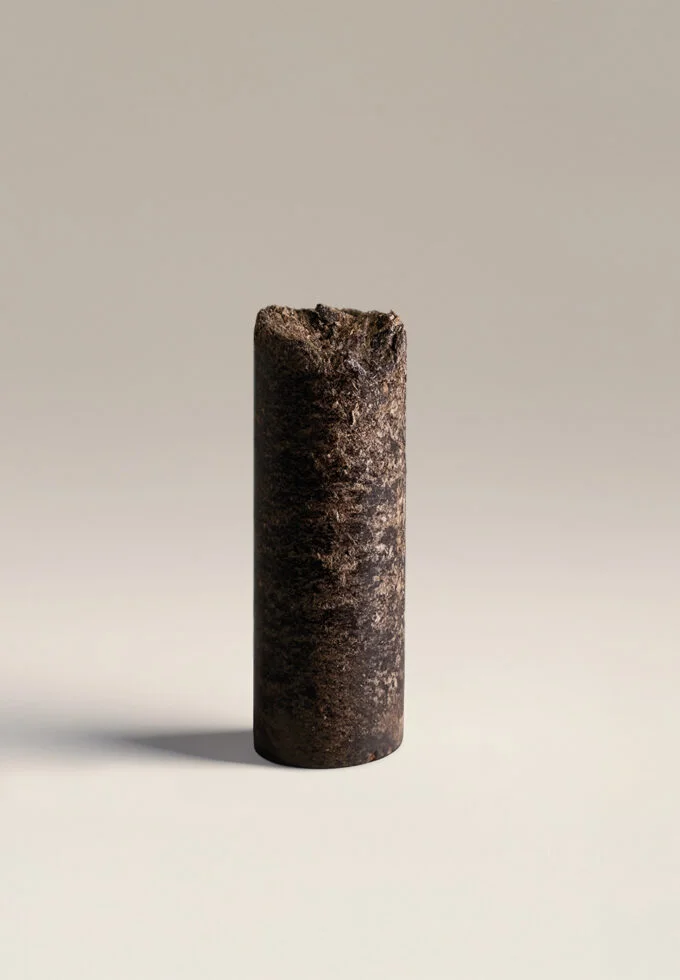
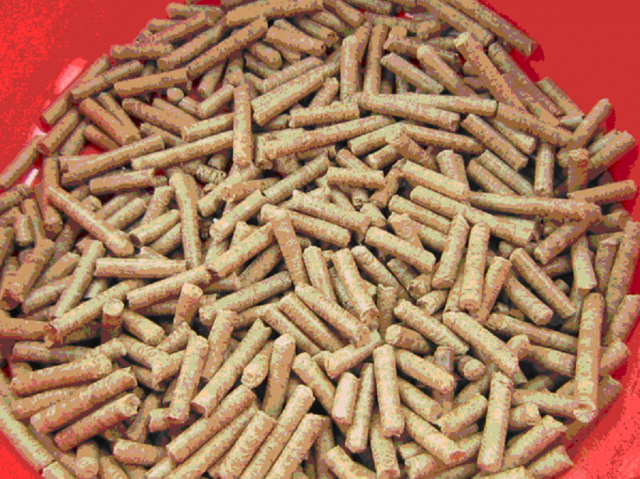
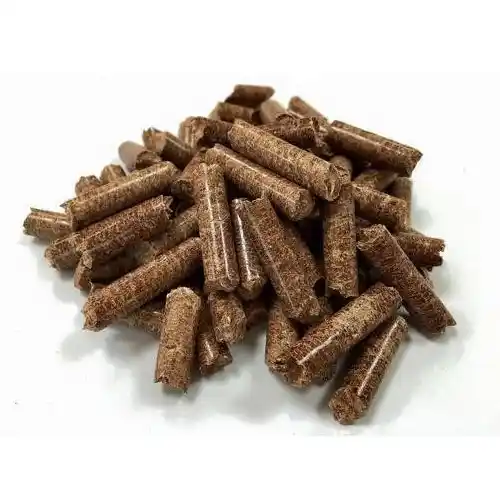
Form: Cylindrical pellets
-
Color: Light tan to golden brown
-
Diameter: 6 mm or 8 mm (±0.5 mm)
-
Pellet length: 15–40 mm
-
Bulk density: 650–700 kg/m³
-
Moisture content: ≤12%
-
Calorific value (net, as received): 4,200–4,600 kcal/kg
-
-
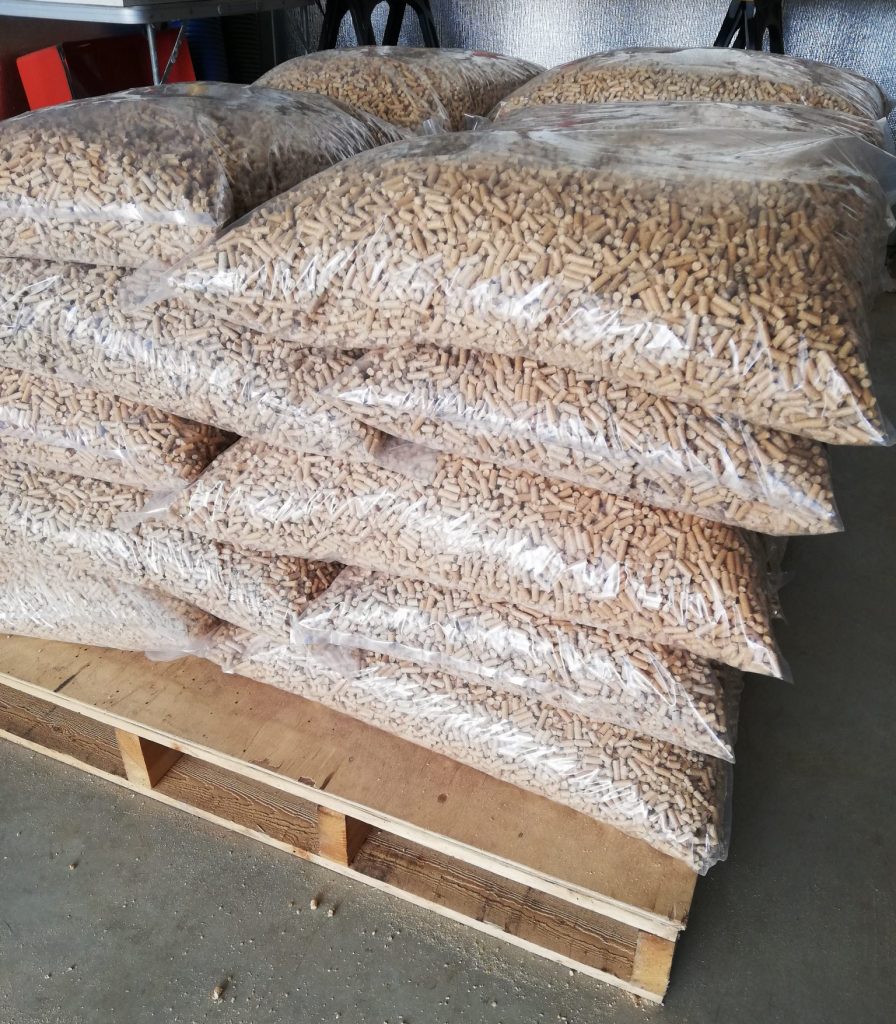
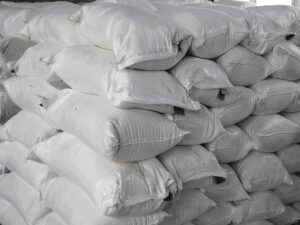
Packaging options: 15 kg plastic-lined paper bags; 500–1,000 kg jumbo (FIBC) bags; or loose in bulk containers
-
Shelf life: 24 months when stored in dry, covered conditions (RH <60%); avoid direct sunlight and water contact
3. Core Industrial Applications
-
Biomass power generation & industrial boilers: Direct replacement for coal or wood pellets in grate-fired, fluidized bed, and pulverized burners. Lower slagging than straw pellets due to lower alkali content.
-
Pulp & molded fiber packaging: Rehydrated and refined to produce disposable plates, bowls, clamshells, and trays. Superior forming strength vs. wheat straw and requires less chemical binder.
-
Animal bedding (equine & poultry): High absorbency (>300% water weight), low dust, and natural antimicrobial properties from residual lignin. Reduces ammonia odor more effectively than pine shavings.
-
Anaerobic digestion co-feedstock: Blended with manure or food waste to balance C:N ratio and improve biogas yield by 15–20%.
Why better: Pelleting reduces logistics cost by 40–50% vs. raw baled bagasse, enables automated handling, and provides consistent burn profiles.
4. Competitive Advantages
-
Quality consistency: Single-origin processing facilities with ISO 9001:2021 certified in-line moisture and density control. Every batch tested for ash, calorific value, and foreign material.
-
Supply reliability: Year-round production from sugar mills with 5+ million MT annual bagasse supply; multi-contract logistics with dedicated warehousing in key export hubs (Brazil, India, Thailand).
-
Logistics capability: Container loading design for minimum degradation – pellet breakage <3% in transit.
-
Price competitiveness: 15–25% lower landed cost ($/GJ) than wood pellets in coastal industrial zones (e.g., Rotterdam, Busan, Los Angeles).
-
Sustainability & documentation: EU ENplus®-A2 equivalent (self-certified with third-party audit available); ISCC EU certified for RED II compliance; full traceability from farm to mill to pelletizer.
-
Technical support: Free combustion modeling, feeder calibration guides, and co-firing ratio recommendations included for contract volumes above 500 MT.
5. Commercial & Supply Information
-
Minimum Order Quantity (MOQ) : BULK 20MT (one loose bulk container or equivalent in jumbo bags)
-
Loading capacity per container :
-
20’ dry container: 20 MT (max, using high-density jumbo bags)
-
40’ dry container: not recommended for weight limit; use 20’
-
Bulk vessel (handymax): 3,000–6,000 MT per hold
-
Reviews
There are no reviews yet.