
Description
1. Product Overview
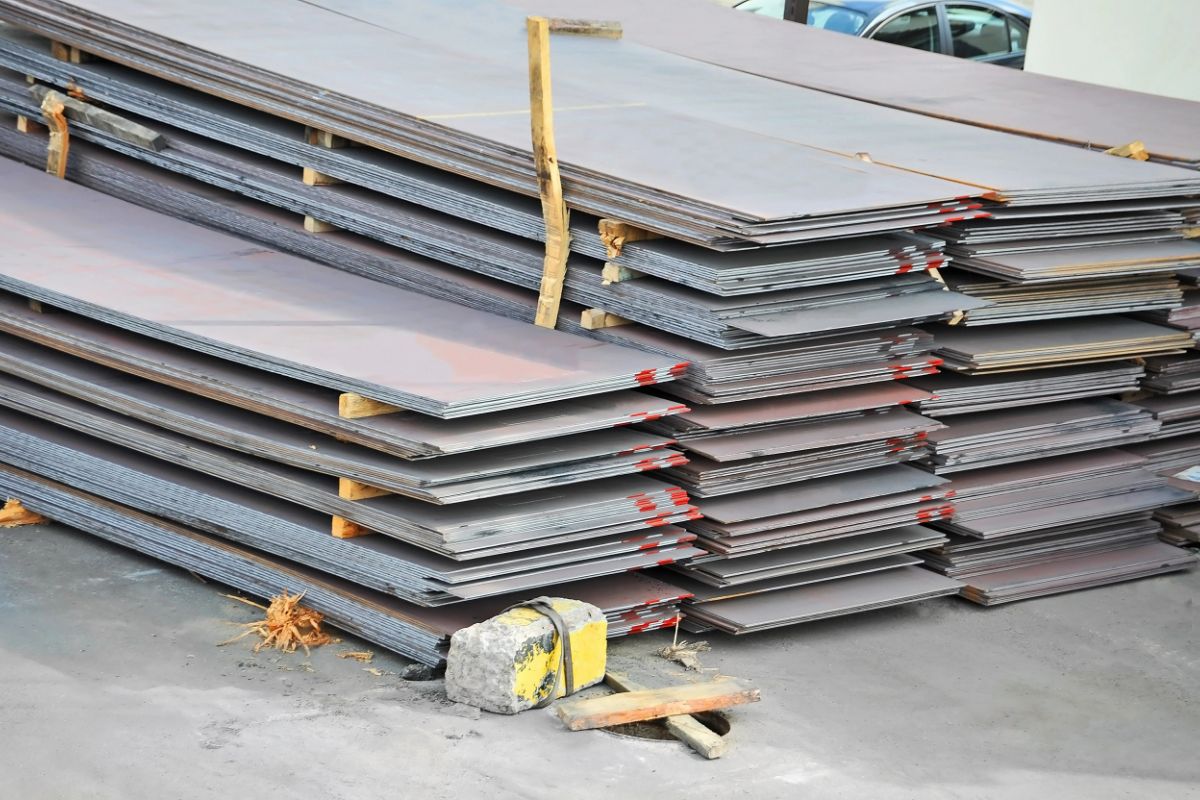
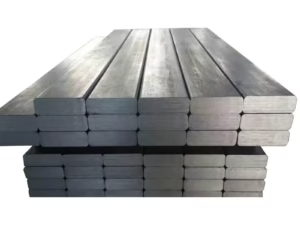
This product listing covers high-grade Steel Plates and Structural Steel sections—engineered for heavy-load bearing infrastructure, industrial facilities, and energy projects worldwide. Designed for applications ranging from bridge girders to offshore platforms, these steel products deliver superior tensile strength, weldability, and corrosion resistance. In a volatile global commodities market, securing a consistent, certified supply of structural steel is a strategic lever for controlling project timelines, reducing fabrication waste, and ensuring regulatory compliance across jurisdictions.
2. Key Specifications & Technical Characteristics
-
Material Composition: Low-carbon (≤0.25% C) and micro-alloyed grades (ASTM A36, A572 Gr.50, EN S355JR / S355J2); optional high-strength low-alloy (HSLA) variants.
-
Grades / Standards: ASTM, EN 10025, JIS G3101 (SS400), with mill test certificates (EN 10204 3.1/3.2) available.
-
Physical Characteristics:
-
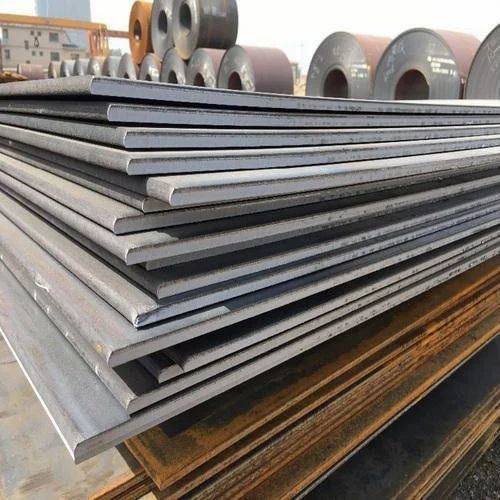
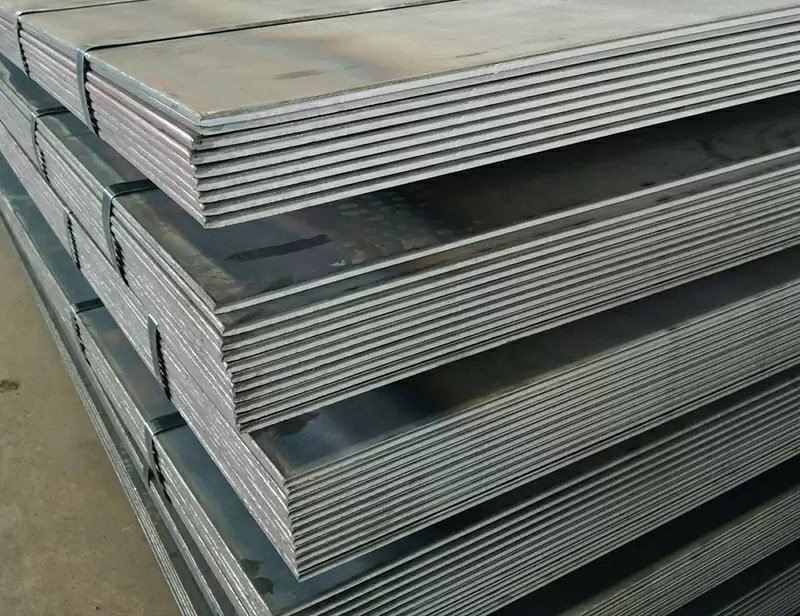
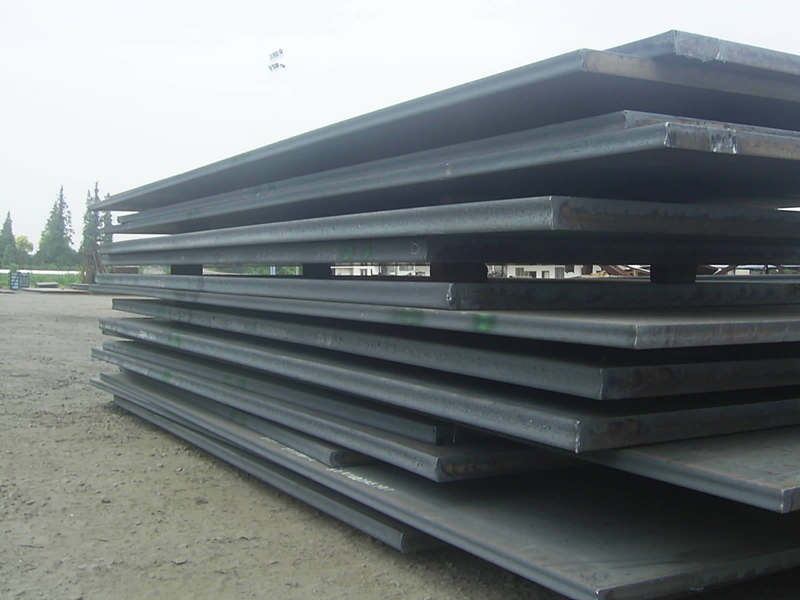
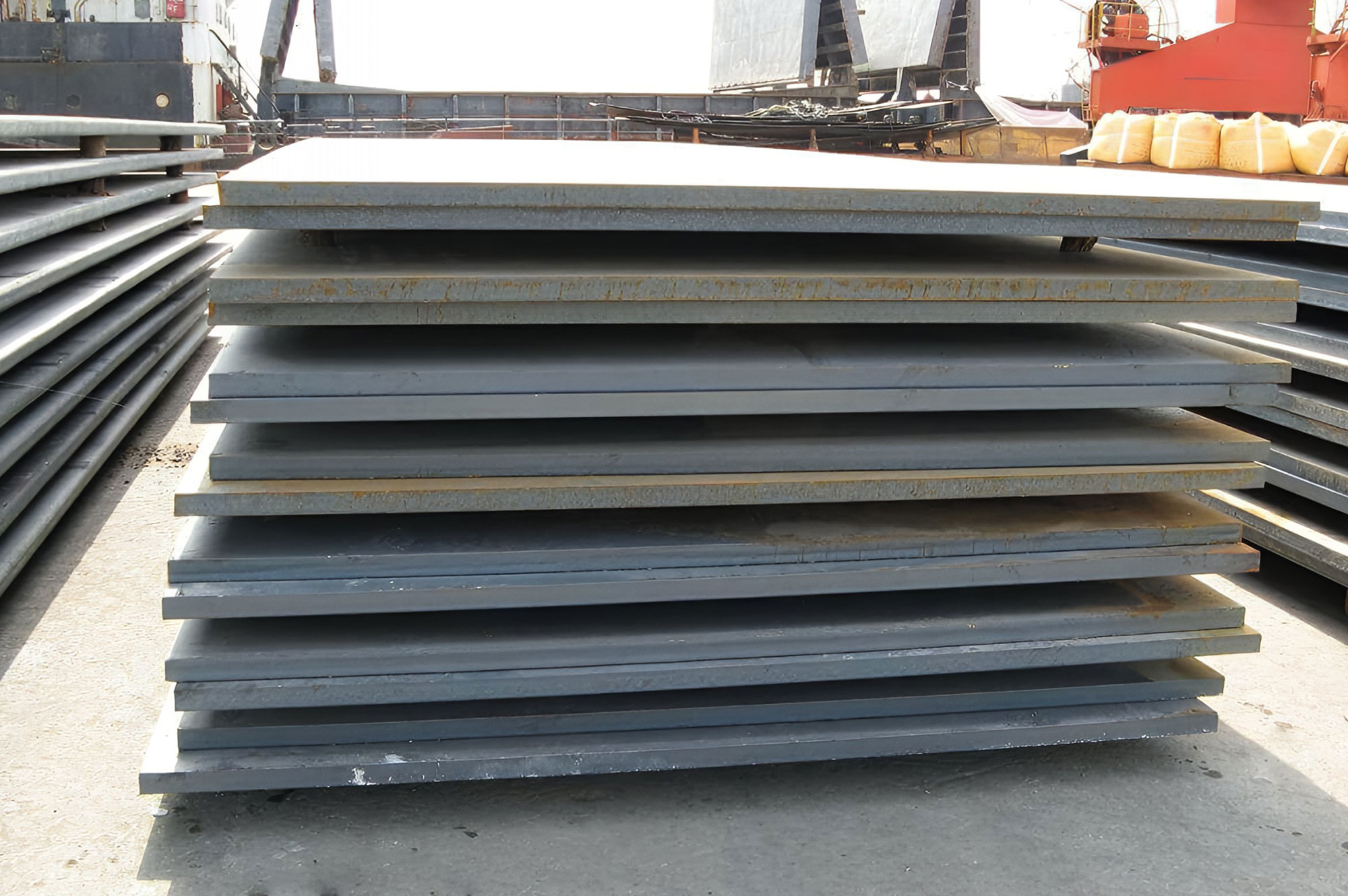
Form: Hot-rolled plates (4.5–150 mm thickness) / Beams (IPE, HEA, HEB, universal columns & beams)
-
Surface: Mill scale, oiled or primed (optional)
-
Density: 7.85 g/cm³
-
-
Packaging Options: Naked in bundles, interleaved with edge protectors; seaworthy export packing (corrosion inhibitor VCI paper for high-humidity routes).
-
Shelf Life: Indefinite under dry, covered storage; surface treatment extends corrosion-free period up to 6 months outdoor.
3. Core Industrial Applications
-
Primary Industries: Construction & civil engineering, heavy equipment manufacturing, shipbuilding, renewable energy (wind tower foundations), oil & gas (platform decks), mining infrastructure.
-
Operational Use Cases:
-
High-rise building cores → fire-resistant and seismic-grade performance.
-
Port crane rails & gantries → high-cycle fatigue resistance.
-
Pressure vessel shells (supplementary normalized rolling) → uniform grain structure.
-
-
Performance vs. Alternatives: Outperforms rebar or light gauge steel in span length (≥30% fewer support columns) and welding cycle time (≤15% faster than generic imported HR plates due to consistent carbon equivalent). Cost advantage: reduced on-site rework and lower total installed cost per ton of load capacity.
4. Competitive Advantages
-
Quality Consistency: ≤±0.15 mm thickness tolerance (ASTM A6-compliant); 100% ultrasonic testing optional.
-
Supply Reliability: Dual sourcing from Tier-1 mills with 24/7 order tracking; average lead time 4–6 weeks FOB.
-
Logistics Capability: Direct loading from mill to vessel; break-bulk and containerized options.
-
Price Competitiveness: Contracted quarterly pricing via hedging mechanism; volume discounts ≥5% for repeat annual off-take.
-
Sustainability: Available with ≤40% recycled content and EPD (Environmental Product Declaration) upon request.
-
Technical Support: Full CAD/DXF files, welding procedure specifications (WPS), and on-call metallurgist for job-specific heat treatment advice.
5. Commercial & Supply Information
-
Minimum Order Quantity (MOQ): BULK 20MT (single grade and thickness)
-
Loading Capacity per 20′ container: 22 MT (plate width ≤2.5 m, length ≤6 m)
-
Loading Capacity per 40′ container: 26 MT (plate length up to 12 m)
-
Break-bulk vessel capability: Up to 5,000 MT per shipment (any length >12 m)
Reviews
There are no reviews yet.