
Description
-
Product Overview
SPF Lumber (Spruce-Pine-Fir) — Structural framing in construction is a high-strength softwood lumber blend engineered for primary use in load-bearing framing, trusses, studs, joists, and roof applications across residential and light commercial construction. It delivers a superior strength-to-weight ratio, consistent dimensional stability, and predictable mechanical properties that accelerate build schedules and reduce waste. Strategically important for contractors, prefabricators, and distributors, SPF optimizes material costs while meeting building-code requirements and supporting scalable, just-in-time supply chains. The tone here is professional and credible: SPF is a reliable core commodity for structural programs where consistent performance, supply continuity, and competitive unit cost drive project profitability. -
Key Specifications & Technical Characteristics
-
Material components: Naturally grown softwoods — Spruce (Picea spp.), Pine (Pinus spp.), and Fir (Abies spp./Pseudotsuga spp.) blended to industry grading standards.
-
Structural grade: Common grades supplied include Select Structural, No. 1 & No. 2 (per regional grading rules); machinable and kiln-dried for framing use.
-
Strength & mechanical properties: Design values consistent with standard engineering tables for SPF species group; typical bending, compression, and shear strengths meet or exceed code requirements for light-frame construction.
-
Moisture content: Kiln-dried to target 12% (typical) with controlled moisture tolerance for minimal shrinkage and optimal fastener holding.
-
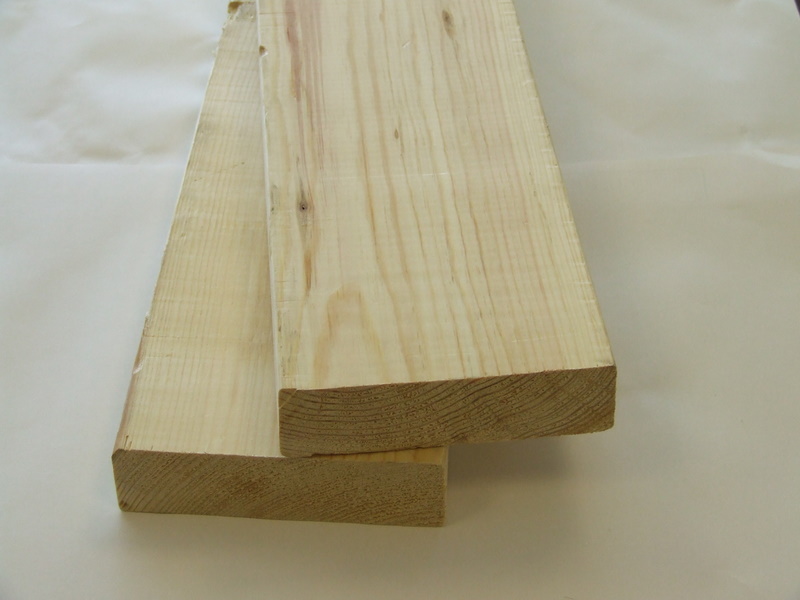
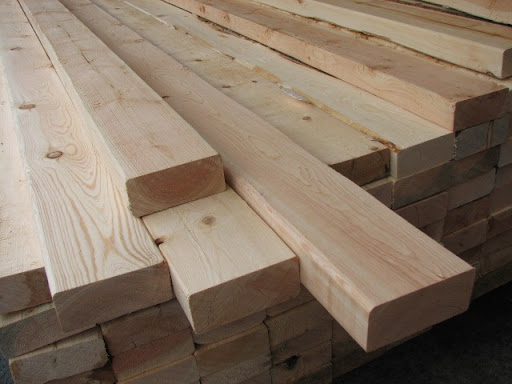
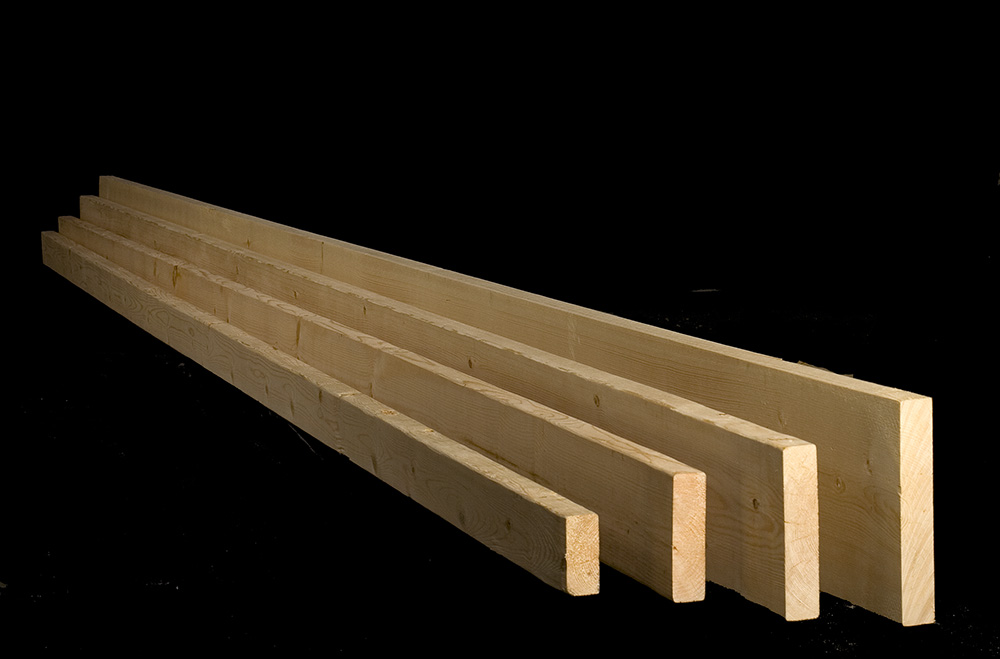
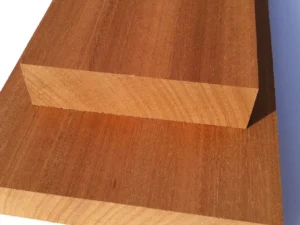
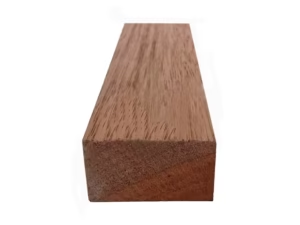
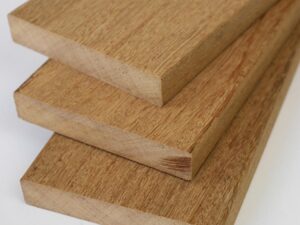
Physical characteristics: Planed or rough-sawn finish; color range light cream to pale brown; available nominal sizes (e.g., 2×4, 2×6, 2×8, 2×10, 2×12) and lengths from 8 ft to 24 ft (custom lengths available); density and specific gravity typical of SPF species group (lightweight, high stiffness).
-
Dimensional tolerance: Manufactured to industry-standard tolerances for thickness, width, and straightness; S4S and surfaced options available.
-
Treatments & enhancements: Options for pressure-treated (CCA/ACQ/CA alternatives where required), fire-retardant-treated (FRT) grades, and stress-graded or finger-jointed products on request.
-
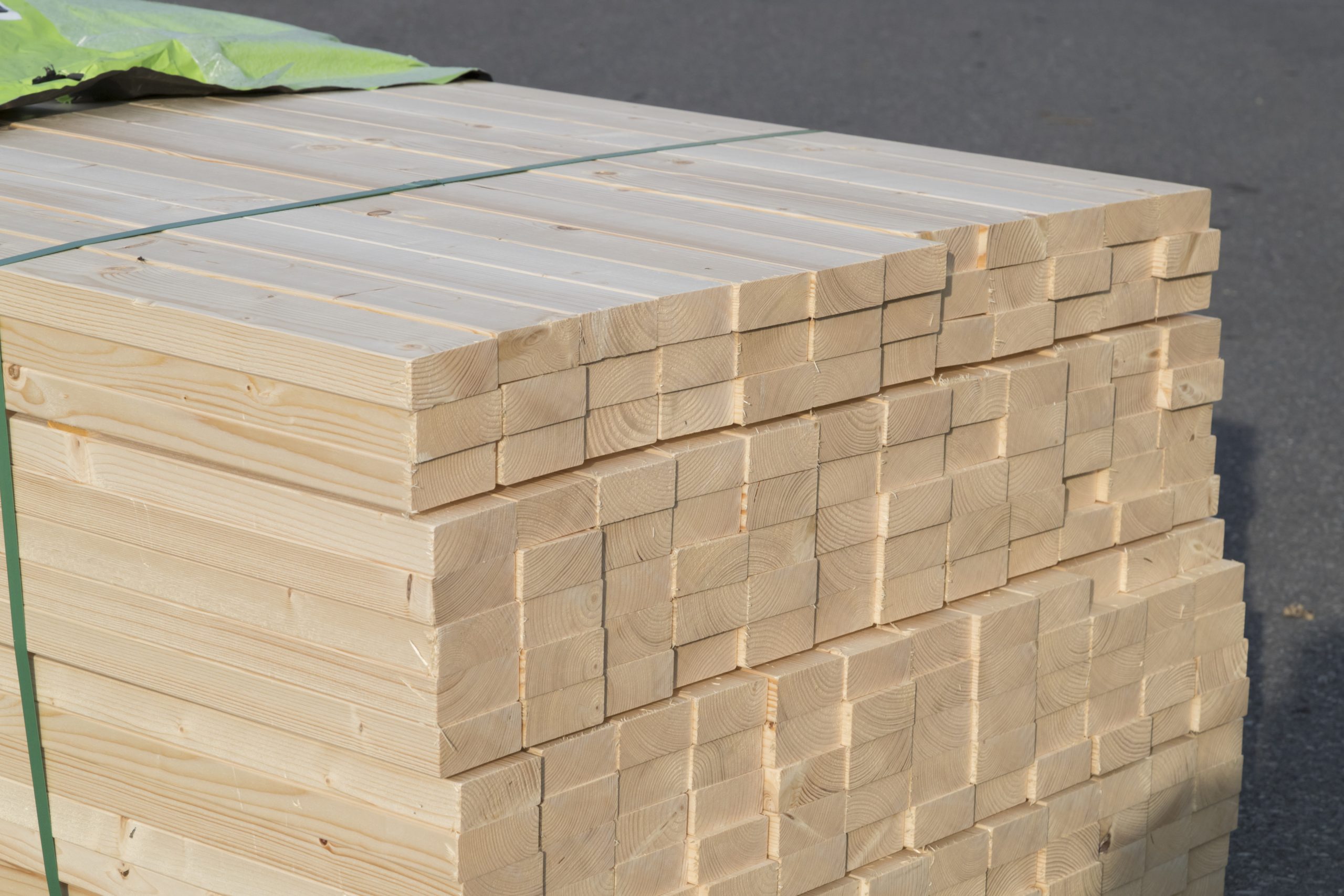
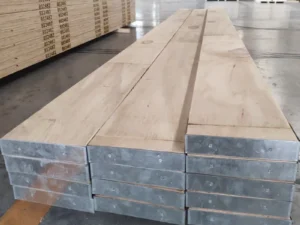
Packaging options: Bundled and banded on pallets, shrink-wrapped, or bulk-stacked; custom packaging for container shipments and crates for overseas dispatch.
-
Shelf life/storage guidance: Stable when stored under cover and off the ground with ventilation; recommended to maintain target moisture to preserve mechanical properties.
-
Core Industrial Applications
-
Primary industries: Residential and light commercial construction, modular and prefab manufacturers, truss and component fabricators, timber distributors, and renovation/repair contractors.
-
Specific use cases: Load-bearing wall studs, floor joists, roof rafters and trusses, sheathing supports, temporary works, and engineered wood components after stress-grading or finger-jointing.
-
Why SPF outperforms alternatives:
-
Efficiency: High strength-to-weight ratio reduces labor and handling time while delivering required structural capacities.
-
Workability: Excellent machinability for sawing, nailing, and fastening; accepts standard construction fasteners and connectors reliably.
-
Cost-effectiveness: Lower delivered cost per structural unit compared with many hardwoods and engineered composites, improving project margins.
-
Availability & consistency: Year-round supply from managed forestry sources ensures predictable procurement vs. seasonal or constrained alternatives.
-
-
Competitive Advantages
-
Quality consistency: Supplied against industry grading standards and quality control checks for dimensional accuracy, moisture content, and mechanical performance.
-
Supply reliability: Sourced from established forest-management and sawmill networks with scalable production to meet project pipelines and bulk procurement.
-
Logistics capability: Optimized for containerized and bulk shipping with tailored packaging, cross-dock readiness, and coordinated export documentation for international buyers.
-
Price competitiveness: Commodity-scale sourcing and efficient milling reduce per-unit costs, enabling competitive pricing for large-volume contracts.
-
Sustainability: Available from certified sustainable sources (FSC/PEFC options on request), with traceability and chain-of-custody documentation to support green building standards.
-
Technical support: Detailed product datasheets, grading certificates, end-use recommendations, and onsite/remote technical consultation available for engineering and specification teams.
-
Risk mitigation: Options for treated and engineered variants reduce exposure to moisture, decay, and code non-compliance.
-
Commercial & Supply Information
-
Minimum order quantity (MOQ): BULK 20 MT
-
Loading capacity (MT per container): Typical loading capacity per 20’ dry container: approximately 18–22 MT depending on packing configuration; per 40’ dry container: approximately 22–28 MT depending on length mix and palletization. Exact loading density and pallet configuration to be confirmed at order stage.
-
Lead times and logistics: Lead times vary by order size and destination; schedule confirmations provided at enquiry with export packing, fumigation (if required), and shipping documentation options.
-
Compliance & documentation: Grade certificates, kiln-dry certification, phytosanitary certificates, and sustainability certifications available upon request to meet import and project specifications.
Reviews
There are no reviews yet.