
Description
- Product Overview
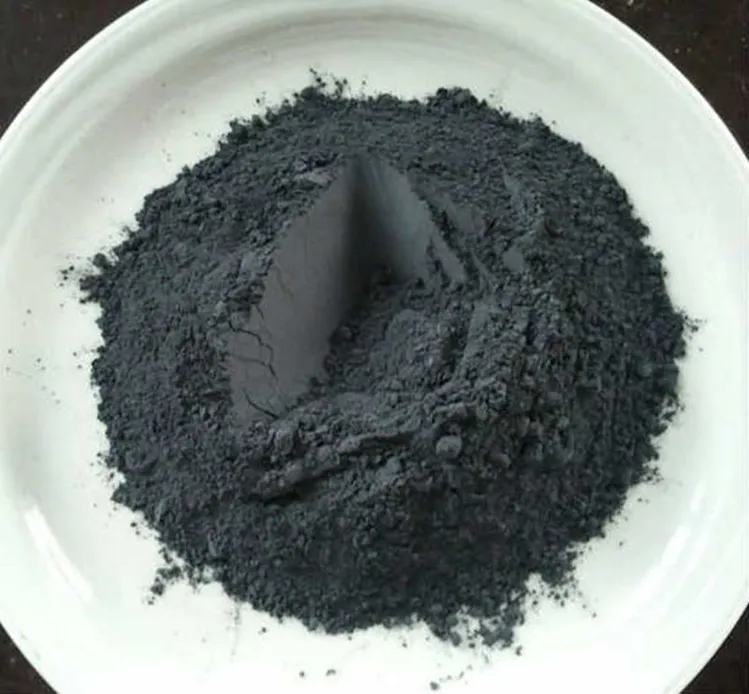
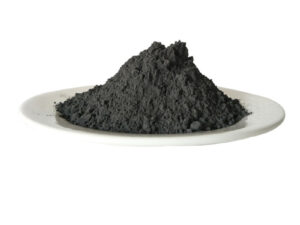
Spent Lithium Battery Cathode Material is a high-value recycled intermediate derived from end-of-life lithium-ion batteries, primarily containing residual cathode active compounds such as lithium cobalt oxide (LCO), lithium nickel manganese cobalt oxide (NMC), and related transition metal oxides. It is primarily used in hydrometallurgical and pyrometallurgical recycling processes for the recovery of lithium, cobalt, nickel, and manganese. The key value proposition lies in its role as a critical secondary resource feedstock that enables circular supply chains for battery-grade metals. Strategically, it is essential in addressing global raw material shortages and strengthening sustainable battery manufacturing ecosystems. - Key Specifications & Technical Characteristics
- Chemical Composition: Mixed lithium transition metal oxides (Li, Co, Ni, Mn, Al residues depending on source batteries)
- Purity Level: 90–98% active cathode material content (variable based on feedstock grade)
- Physical Form: Powder / granulated black or dark gray material
- Particle Size: Typically 50–500 microns (unprocessed shredded fraction)
- Density: Bulk density approx. 1.5–2.5 g/cm³
- Moisture Content: ≤2% (controlled storage dependent)
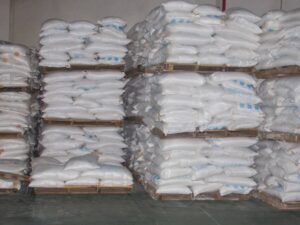
- Packaging: Sealed steel drums, jumbo bags (500–1000 kg), or bulk container lining
- Shelf Life: 12–24 months under dry, controlled storage conditions
- Core Industrial Applications
- Lithium-ion battery recycling plants (primary application)
- Hydrometallurgical metal recovery processes for Li, Co, Ni, Mn extraction
- Pyrometallurgical smelting feedstock for alloy and metal recovery
- Secondary raw material sourcing for battery-grade chemical production
- Use in circular economy supply chains for EV battery manufacturing
This material provides superior feed efficiency for recovery operations, reducing reliance on virgin ore extraction while improving overall metal yield efficiency and cost structure for recyclers.
- Competitive Advantages
- High recovery efficiency of valuable metals (lithium, cobalt, nickel, manganese)
- Stable and consistent feedstock quality for industrial recycling operations
- Secure and scalable supply sourced from regulated battery recycling streams
- Competitive cost advantage versus virgin ore mining and refining
- Strong environmental benefit through waste reduction and circular economy integration
- Full technical documentation and batch traceability available for industrial compliance
- Optimized logistics handling for bulk international shipment and refinery integration
- Commercial & Supply Information
- Minimum Order Quantity (MOQ): BULK 20 MT
- Loading Capacity: 20–22 MT per 20-foot container (depending on packaging density and regional shipping regulations)
Reviews
There are no reviews yet.