
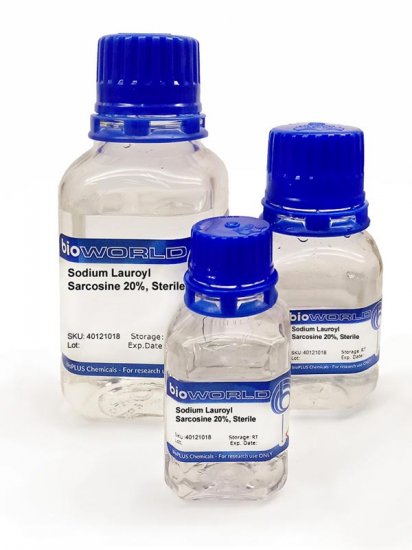
Description
1. Product Overview
Sodium Lauroyl Sarcosinate (SLS) is a high-purity, anionic surfactant derived from natural fatty acids and sarcosine, engineered for superior mildness and foam performance. Its primary industrial use is as a secondary surfactant in premium personal care formulations, including high-end shampoos, facial cleansers, and oral care products. The key value proposition is its exceptional ability to create dense, creamy foam while remaining non-irritating to skin and eyes—significantly outperforming conventional sulfates. Strategically, SLS is critical for formulators transitioning to sulfate-free, bio-based product lines, meeting accelerating global demand for sustainable and mild cleansers.
2. Key Specifications & Technical Characteristics
-
Chemical composition: Sodium N-lauroyl sarcosinate (C₁₅H₂₈NNaO₃); derived from lauric acid and sarcosine
-
Purity / active matter: ≥95% (anhydrous basis); typical 30% aqueous solution also available
-
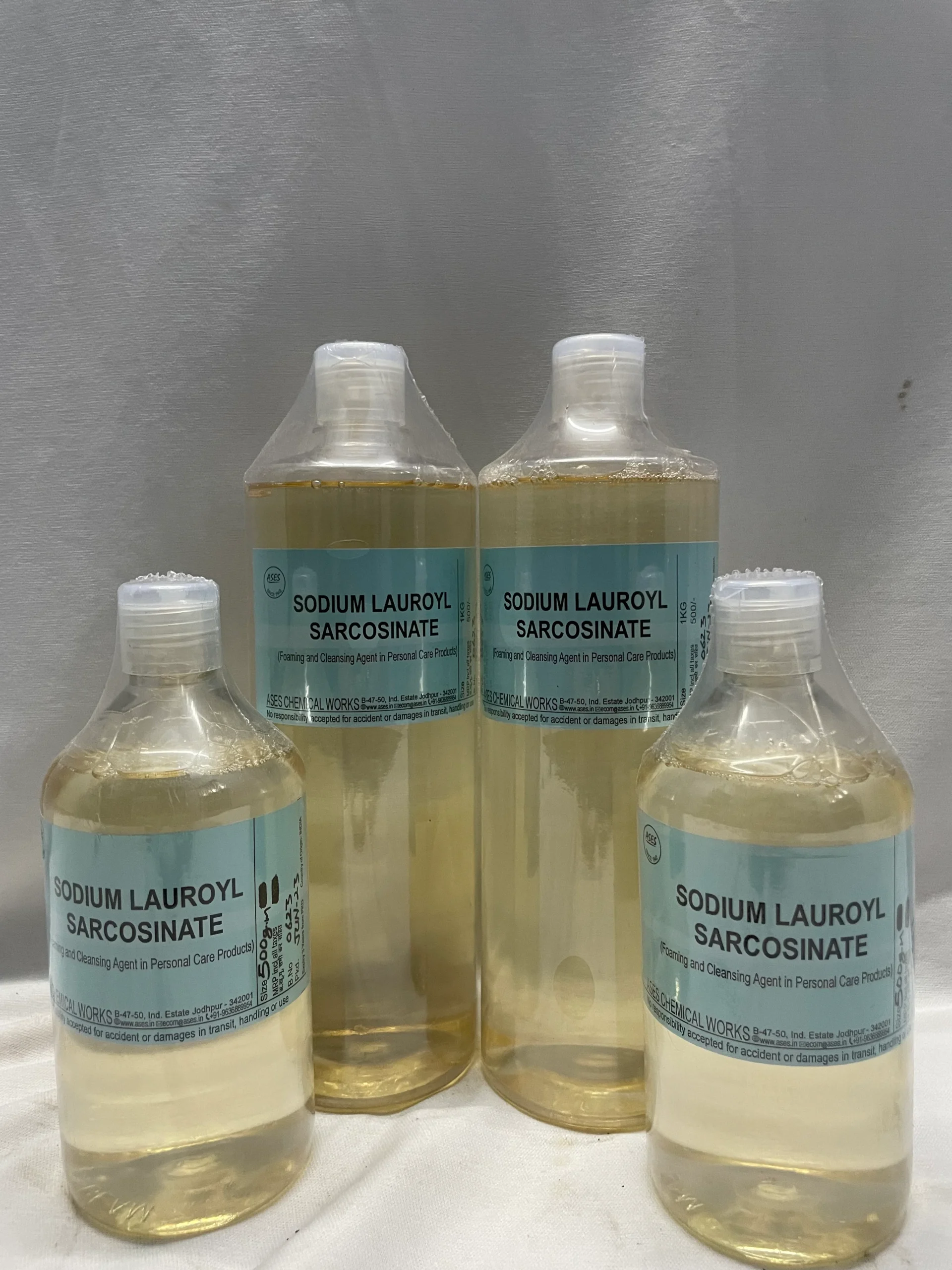
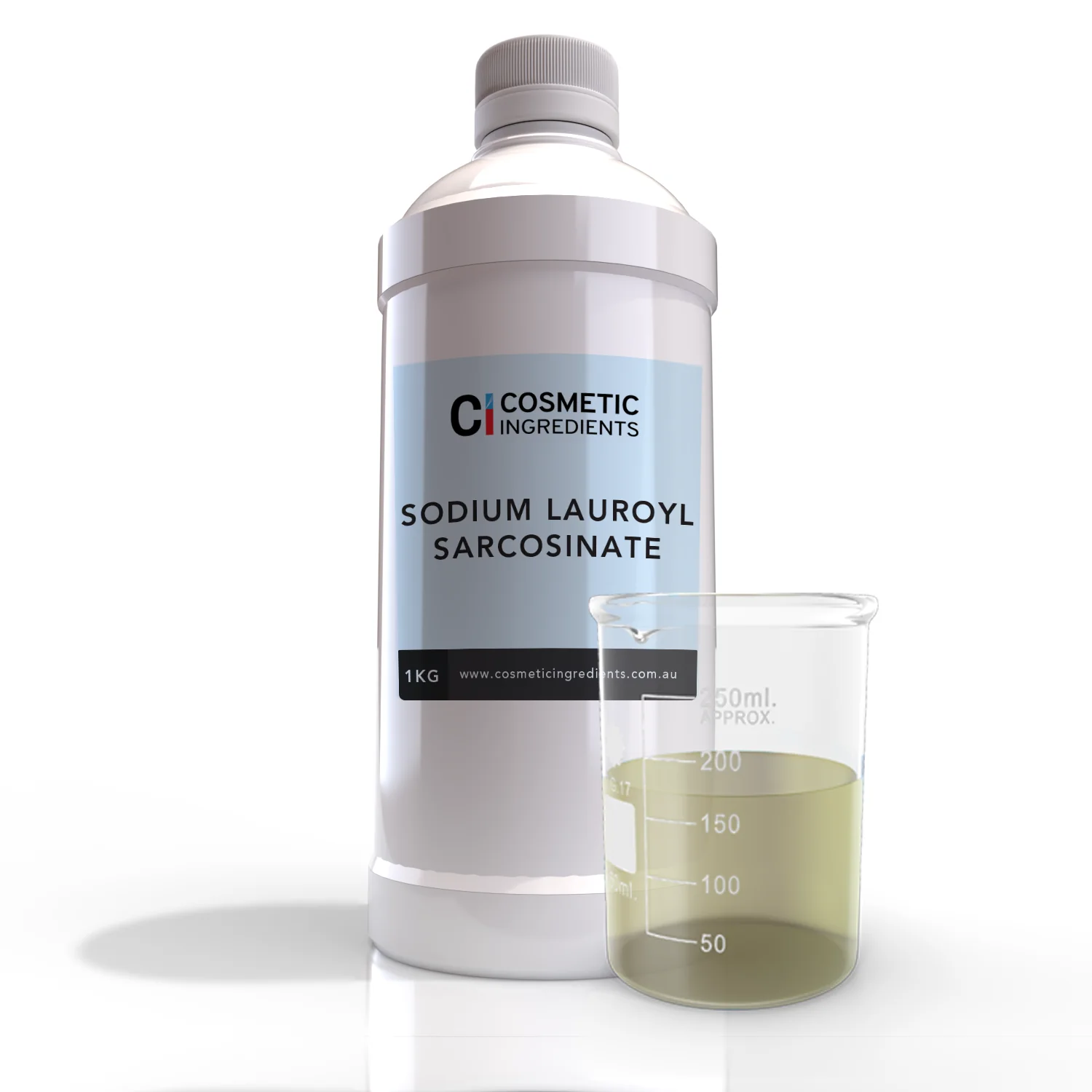
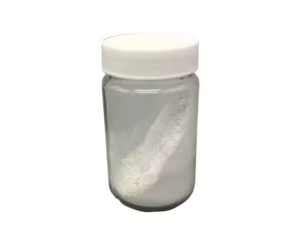
Physical form: White to off-white powder (anhydrous) or clear to pale yellow liquid (30% solution)
-
Particle size (powder): 100% through 40 mesh; ≥85% through 80 mesh
-
Bulk density (powder): 0.35–0.55 g/cm³
-
pH (10% solution): 7.0–9.0
-
Solubility: Freely soluble in water; stable across pH 4.5–9.0
-
Packaging options: 25 kg multilayer kraft/PE bags (powder); 200 kg HDPE drums or 1000 kg IBC totes (liquid)
-
Shelf life: 24 months when stored in original sealed containers at 5–30°C, away from direct light and moisture
3. Core Industrial Applications
-
Primary industries: Personal care & cosmetics; oral care; pharmaceutical topical preparations; high-end household cleaning
-
Specific operational use cases:
-
Sulfate-free shampoos & body washes: Functions as primary or co-surfactant delivering rich foam without stripping natural oils
-
Facial cleansers: Provides mildness superior to betaines, preserving skin barrier integrity
-
Toothpaste: Acts as a foaming agent and antimicrobial enhancer, compatible with fluoride and enzymes
-
-
Performance advantages over alternatives:
-
Versus Sodium Lauryl Ether Sulfate (SLES): Significantly lower ocular/skin irritation (OECD 439: non-irritant vs. moderate irritant)
-
Versus Cocamidopropyl Betaine (CAPB): Higher foam volume at lower use concentration (3–5% vs. 8–10%)
-
Provides anti-static and conditioning effects on hair, reducing need for separate conditioning agents by 15–20%
-
4. Competitive Advantages
-
Quality consistency: ISO 9001:2025 certified production; each lot tested for residual lauric acid (<0.5%), sodium chloride (<1.5%), and microbial limits (USP <61>)
-
Supply reliability: Multiple redundant manufacturing sites (Asia, Europe, Americas) with 50,000 MT annual capacity; 98.5% on-time-in-full (OTIF) track record
-
Logistics capability: Global warehousing network enabling 3–7 day lead times to major industrial hubs (Rotterdam, Singapore, Houston, Shanghai)
-
Price competitiveness: Vertically integrated from lauric acid refining; fixed-volume contracts available with price adjustment formulas tied to fatty acid indices
-
Sustainability: ≥92% renewable carbon content; readily biodegradable (OECD 301B: 98% in 28 days); RSPO Mass Balance certified lauric acid option available
-
Technical support: Full regulatory documentation (TSCA, REACH, IECIC, COSMOS-compliant); formulation optimization support via application lab
5. Commercial & Supply Information
-
Minimum order quantity (MOQ): 5 MT (powder); 10 MT (30% liquid)
-
Bulk 20 MT loading capacity (powder): 20 MT per 20’ dry container (800 × 25 kg bags, palletized)
-
20 MT loading capacity (liquid 30%): 20 MT per 20’ ISO tank container or 18 MT per 20’ general purpose container with IBC totes (10 × 1000 kg totes + 10 × 200 kg drums as balance)



Reviews
There are no reviews yet.