
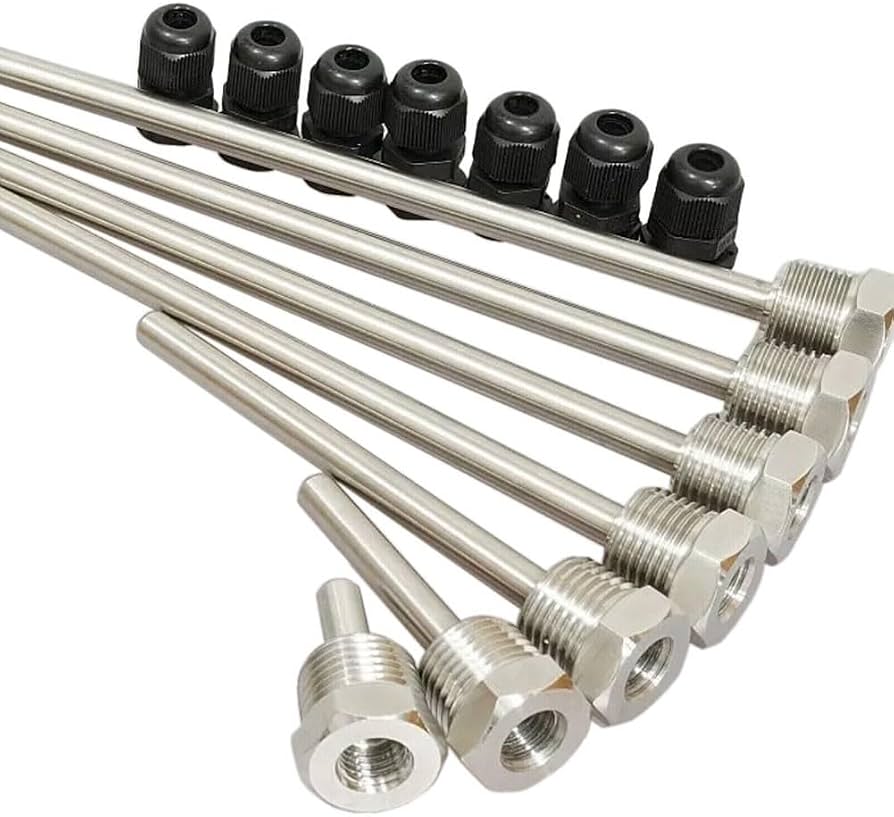
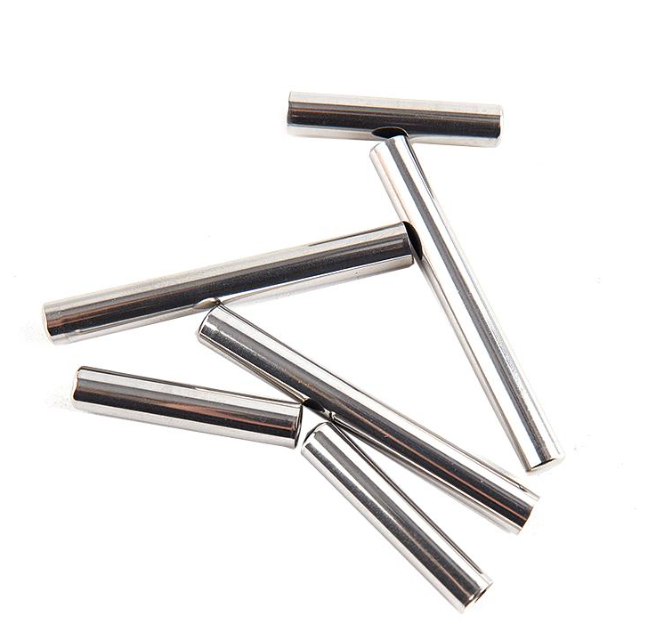
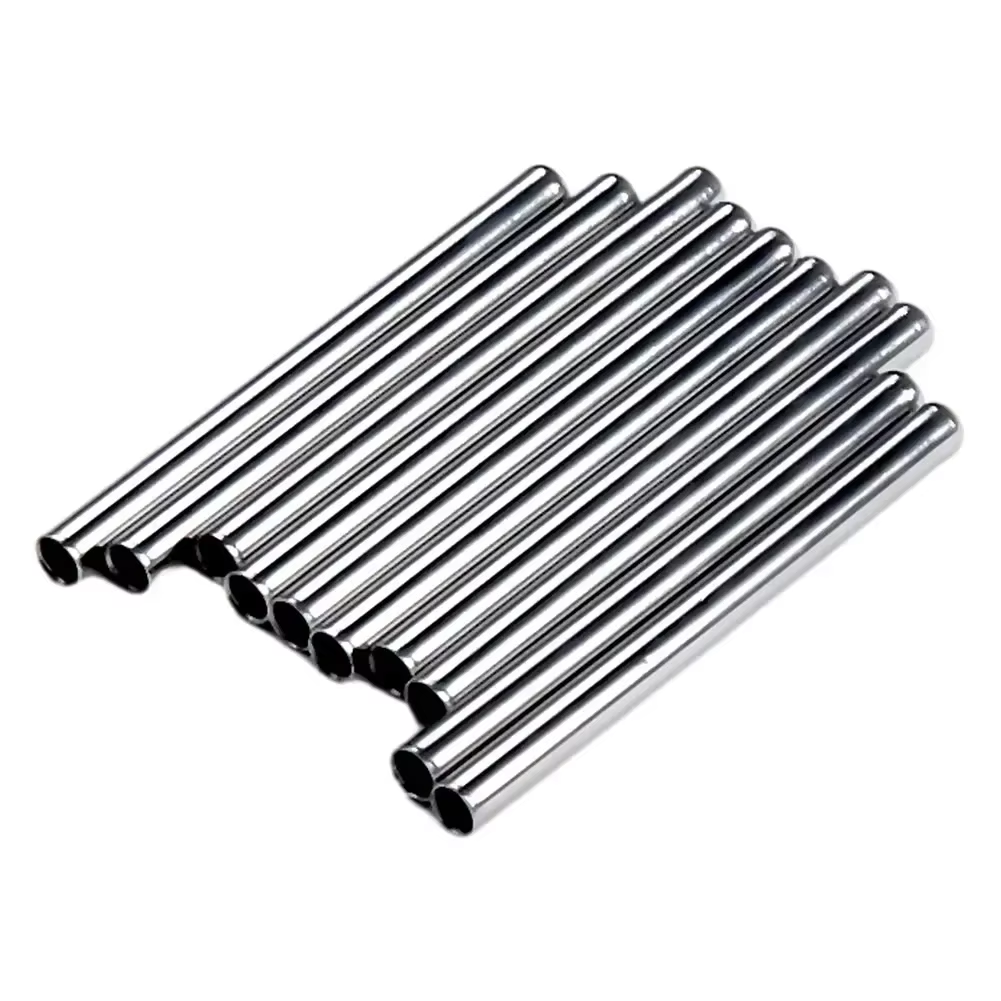
Description
1. Product Overview
Sensor Probe Protective Sleeves are precision-engineered protective covers designed to shield temperature, pressure, level, and other industrial sensor probes from mechanical damage, contamination, moisture, abrasion, and harsh operating environments. They are widely used in process instrumentation, automation, laboratory equipment, HVAC systems, chemical processing, and industrial monitoring applications. The sleeves help extend probe service life, maintain measurement reliability, and reduce replacement and maintenance costs. Their role in protecting critical sensing components makes them a practical, cost-effective sourcing solution for industrial instrumentation systems.
2. Key Specifications & Technical Characteristics
- Material: Depending on application, commonly manufactured from silicone, PTFE, PVC, polyethylene, polyurethane, rubber, or other engineered protective materials
- Grade: Industrial-grade; material selection can be tailored to temperature, chemical, abrasion, and environmental requirements
- Form: Flexible protective sleeve, tubular cover, or fitted probe guard
- Color: Commonly black, white, transparent, gray, or application-specific colors
- Dimensions: Available in multiple internal diameters, wall thicknesses, and lengths to accommodate different sensor probe sizes
- Temperature Resistance: Application-dependent; high-temperature grades available for demanding industrial environments
- Chemical Resistance: Options available for exposure to oils, solvents, moisture, cleaning agents, and selected process chemicals
- Physical Properties: Flexible, abrasion-resistant, lightweight, and designed for secure probe coverage
- Customization: Custom lengths, diameters, wall thicknesses, materials, and configurations available
- Packaging: Bulk cartons, protective bags, or customized industrial packaging
- Shelf Life: Typically long-term when stored in a cool, dry environment away from direct sunlight, ozone, and incompatible chemicals
3. Core Industrial Applications
- Industrial Automation: Protects sensor probes used in automated monitoring and control systems from abrasion and contamination.
- Chemical & Process Industries: Provides an additional protective barrier for probes operating around moisture, chemicals, and process residues.
- HVAC & Refrigeration: Used to protect temperature and monitoring probes in air-conditioning, refrigeration, and cold-chain equipment.
- Food & Beverage Processing: Helps protect instrumentation components during processing, cleaning, and routine equipment maintenance.
- Laboratory & Analytical Equipment: Provides physical protection for precision probes used in testing and measurement systems.
- Water & Wastewater Treatment: Shields monitoring probes from environmental exposure, suspended particles, and mechanical contact.
- Industrial Machinery: Reduces wear and accidental damage to sensors installed in moving, vibrating, or high-contact environments.
- Key Performance Benefits: Improves probe durability, reduces contamination-related failures, minimizes maintenance frequency, and supports more consistent sensor operation compared with leaving probes directly exposed.
4. Competitive Advantages
- Quality Consistency: Controlled material selection and dimensional manufacturing support reliable fit, protection, and repeatable performance.
- Supply Reliability: Suitable for recurring industrial procurement programs and high-volume OEM requirements.
- Logistics Capability: Bulk packaging and export-ready configurations support efficient international shipment and warehouse handling.
- Price Competitiveness: Cost-effective protection can reduce premature sensor replacement and total maintenance expenditure.
- Durability: Engineered materials provide resistance to abrasion, moisture, temperature, and selected chemical exposures according to the specified grade.
- Customization: Dimensions and material specifications can be adapted to OEM, instrumentation, and application requirements.
- Sustainability: Extending sensor service life can reduce component replacement frequency and associated material consumption.
- Technical Documentation: Material specifications, dimensional data, product drawings, and application documentation can be supplied according to buyer requirements.
5. Commercial & Supply Information
- Minimum Order Quantity (MOQ): BULK 20 MT
- Loading Capacity: Approximately 20–25 MT per 20-foot container, subject to product dimensions, packaging configuration, and applicable container weight limits
Reviews
There are no reviews yet.