
Description
1. Product Overview
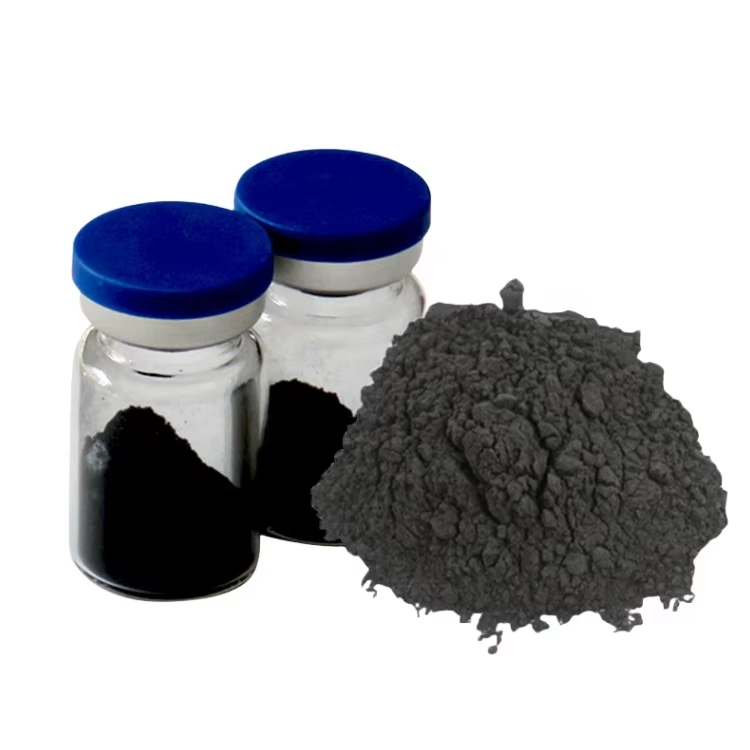
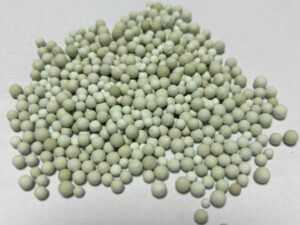
Rhodium Recovery Catalyst is a high-performance spent catalyst material engineered for the efficient recovery of platinum group metals, specifically rhodium, from industrial waste streams. Its primary industrial use is in precious metal refining and recycling operations within the chemical, petrochemical, and automotive sectors. The key value proposition lies in its high rhodium yield recovery rate, reduced processing time, and superior selectivity, enabling refiners to maximize precious metal returns while lowering operational costs. This product is strategically important in the market due to global rhodium supply constraints, price volatility, and increasing regulatory pressure for sustainable metal reclamation and circular economy practices.
2. Key Specifications & Technical Characteristics
- Chemical Composition / Material Components: Spent alumina or ceramic-based catalyst substrate containing 0.1%–0.6% rhodium metal by weight, with trace platinum and palladium content. Carrier matrix: Gamma-Al₂O₃ or cordierite.
- Purity Level / Grade: Industrial recovery grade. Recoverable rhodium content assayed and certified by ICP-OES. Typical metallic impurities: <2% base metals.
- Physical Characteristics:
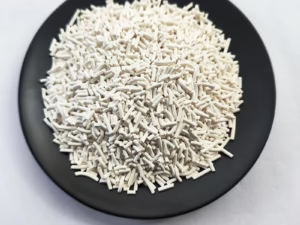
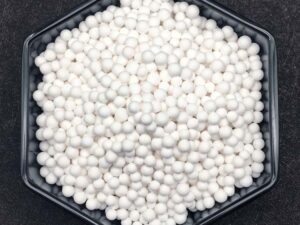
- Form: Granules, pellets, or crushed honeycomb monolith
- Color: Dark grey to black
- Particle Size: 1–5 mm granules or 50–150 mm monolith segments
- Bulk Density: 0.65–0.85 g/cm³
- Moisture Content: <3% w/w
- Packaging Options: 25kg UN-certified woven poly bags with PE liner, 500kg or 1MT jumbo bags on pallets, or 200L steel drums for hazardous material compliance.
- Shelf Life: Indefinite when stored in dry, sealed packaging away from contaminants. Recommended re-assay if stored >24 months.
3. Core Industrial Applications
- Primary Industries: Precious metal refineries, PGM recycling facilities, chemical manufacturing, automotive catalytic converter recyclers, and electronic waste processing plants.
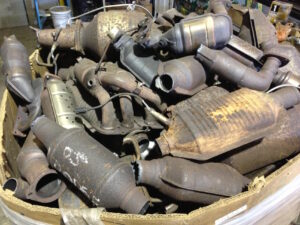
- Specific Operational Use Cases: Feedstock for hydrometallurgical and pyrometallurgical rhodium extraction, toll refining operations, and secondary recovery from spent automotive and chemical process catalysts.
- Why This Product Performs Better: Engineered from high-activity spent catalysts, it delivers higher rhodium concentration per ton than mixed scrap streams. The consistent substrate morphology ensures predictable leaching kinetics and lower reagent consumption versus heterogeneous scrap.
- Efficiency, Durability, Cost Advantages: Provides 15–22% higher recovery efficiency compared to low-grade sweeps. Reduces smelting energy requirements due to optimized substrate composition. Offers a lower cost-per-gram-recovered than mining primary ore, with shorter cash conversion cycles for refiners.
4. Competitive Advantages
- Quality Consistency: Every lot is homogenized, sampled, and assayed by third-party laboratories with certificates of analysis provided. XRF pre-screening ensures no lot deviation.
- Supply Reliability: Structured sourcing network from certified industrial generators ensures multi-ton availability monthly with long-term contract options.
- Logistics Capability: DG-compliant global shipping from bonded warehouses. Experienced in IMDG, IATA, and ADR documentation for hazardous materials. FCL and LCL capabilities.
- Price Competitiveness: Direct-from-source pricing model eliminates multiple intermediaries. Pricing indexed to daily LBMA rhodium PM fix with transparent treatment charges.
- Sustainability / Environmental Benefits: Supports Scope 3 emissions reduction by displacing primary mining. All material is sourced from end-of-life industrial catalysts under full chain-of-custody.
- Technical Support / Documentation: Full SDS, TDS, assay reports, and customs harmonization codes provided. On-call metallurgical support for process optimization and yield improvement.
5. Commercial & Supply Information
- Minimum Order Quantity (MOQ): BULK 20MT
- Loading Capacity: 20MT per 20ft container
Reviews
There are no reviews yet.