
Description
1. Product Overview
Rebar (Reinforcement Bar) is a high-tensile steel bar specifically engineered to reinforce concrete structures under tensile and shear stress. Its primary industrial use lies in large-scale construction projects—including high-rise buildings, bridges, dams, and heavy infrastructure—where structural integrity is non-negotiable. The key value proposition is exceptional bond strength with concrete, combined with controlled ductility and weldability, ensuring catastrophic failure prevention under seismic or dynamic loads. Strategically, rebar is indispensable to the global construction supply chain, directly influencing project safety, longevity, and capital expenditure efficiency in an era of urbanization and infrastructure renewal.
2. Key Specifications & Technical Characteristics
-
Chemical Composition (per ASTM A615 / BS 4449 / ISO 6935): Carbon (0.20–0.32%), Manganese (0.60–1.10%), Phosphorus (≤0.040%), Sulfur (≤0.050%), with optional micro-alloys (Ni, Cr, Cu) for corrosion-resistant grades.
-
Grade & Yield Strength: Grade 40 (280 MPa), Grade 60 (420 MPa), Grade 75 (520 MPa) – custom Grade 80+ available for high-stress applications.
-
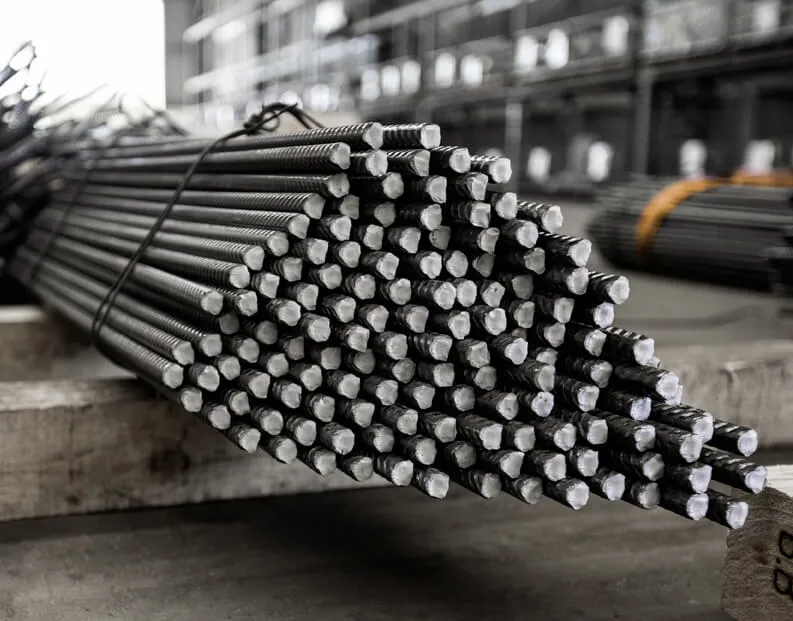
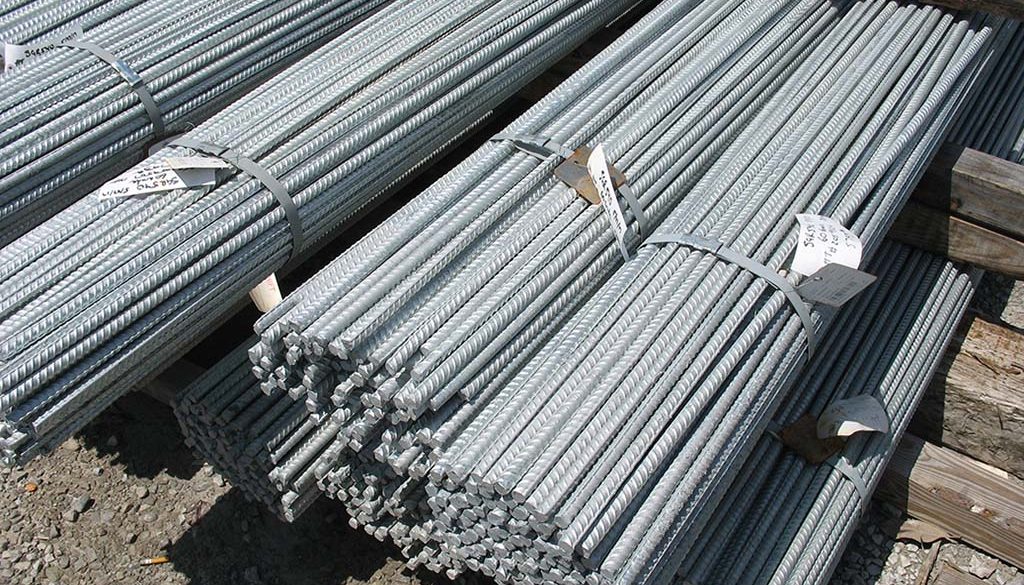
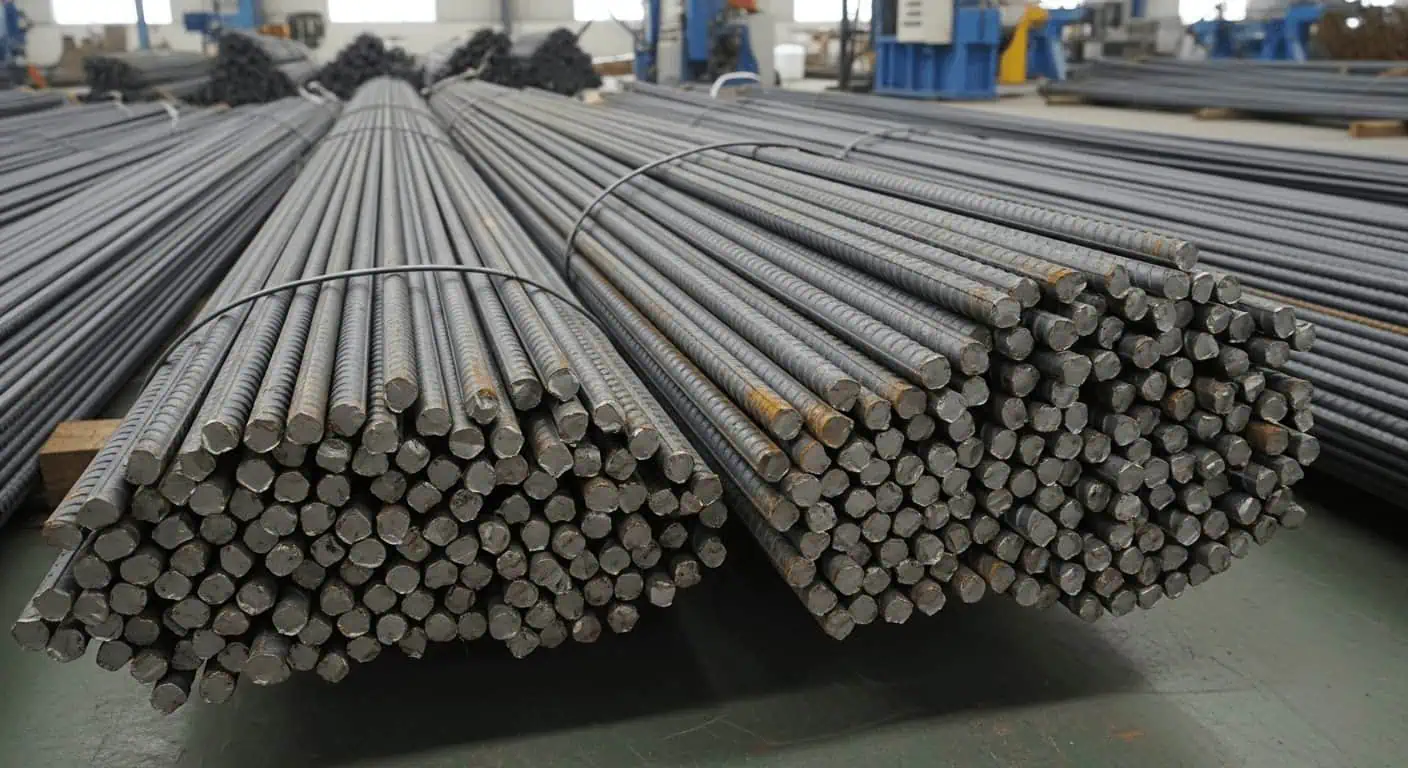
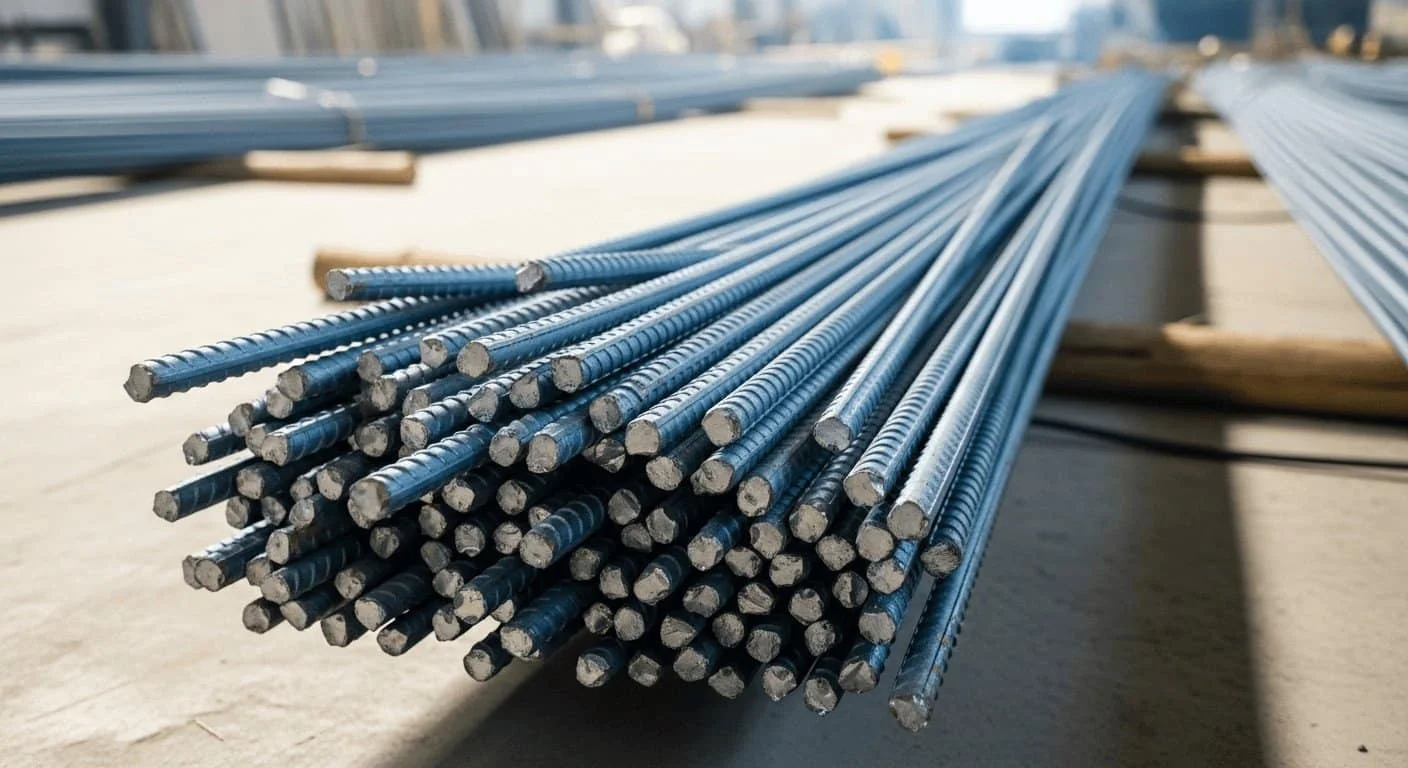
Physical Characteristics: Deformed surface with transverse ribs and lugs (rib height: 0.5–1.2mm, spacing: 50–70% of nominal diameter); diameter range: 6mm to 40mm; length: 6m, 9m, 12m, or cut-to-order.
-
Packaging Options: Hexagon-shaped or rectangular bundles (1.5–3 MT per bundle), secured with 4–6 high-tensile steel straps, with rust-preventive oil coating or epoxy coating (optional).
-
Shelf Life: Indefinite when stored in dry, elevated, tarp-covered conditions (surface oxidation begins after 30 days in high humidity, but does not affect mechanical performance per most standards).
3. Core Industrial Applications
-
Primary Industries: Commercial construction, civil infrastructure (roads, bridges, tunnels), precast concrete manufacturing, energy plants (nuclear, wind, hydro), and marine structures.
-
Specific Operational Use Cases: Load-bearing columns and shear walls in high-rises; continuous footing reinforcement for highways; seismic hoops and ties in earthquake-prone zones; rebar cages for deep foundation piles.
-
Performance Advantage vs. Alternatives: Compared to plain round bars or fiber-reinforced polymer (FRP), steel rebar provides superior elongation (8–12% min), thermal compatibility with concrete (coefficient of expansion: ~12×10⁻⁶/°C), and field weldability/cutability without specialized tooling.
-
Commercial Advantage: Lower total installed cost (TIC) than FRP or stainless steel reinforcement, with proven 50+ year lifecycle performance under standard exposure conditions.
4. Competitive Advantages
-
Quality Consistency: Mill-certified to ASTM, EN, JIS, or GB/T standards with batch-level tensile, bend, and re-bend test reports; third-party SGS/Bureau Veritas inspection optional.
-
Supply Reliability: Dedicated production lines with 120,000 MT monthly capacity; buffer stock held in regional hubs (Asia, Middle East, Africa, Latin America) to buffer spot demand or logistical disruption.
-
Logistics Capability: LCL, FCL, and break-bulk shipping coordinated via in-house logistics desk; multimodal (sea-rail-truck) routing to inland sites; demurrage risk management included.
-
Price Competitiveness: Direct mill allocation removes trader markups; volume rebate programs for 5,000+ MT/year contracts; fixed-price hedging options available for multi-quarter tenders.
-
Sustainability Benefits: Produced using EAF (electric arc furnace) with up to 90% recycled scrap; ISO 14001-certified facilities; carbon footprint declaration available for Green Building certifications (LEED, BREEAM, ESTIDAMA).
-
Technical Support: AutoCAD-ready detailing files, lap-splice and development length calculators, welding procedure specifications (WPS), and 24‑hour engineering consultation.
5. Commercial & Supply Information
-
Minimum Order Quantity (MOQ): 20 MT (bulk) – single diameter, single grade, standard length.
-
Loading Capacity (per 20ft container): 20 MT (straight bars, length ≤ 6m, with edge protectors)
-
Loading Capacity (per 40ft container): 20–24 MT (straight bars, length ≤ 12m, staggered stacking)
-
Loading Capacity (bulk break-bulk / handysize vessel): 2,000–5,000 MT per shipment (coils or straight bars, vessel-dependent)

Reviews
There are no reviews yet.