
Description
1. Product Overview
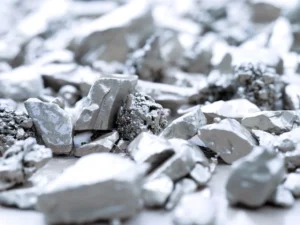
Pt-Rh Alloy Scrap is a high-value secondary raw material consisting of platinum and rhodium alloys recovered from end-of-life industrial and catalytic applications. Its primary industrial use is as a cost-effective feedstock for refining into pure platinum group metals used in catalyst manufacturing, chemical processing, and electronics. The key value proposition is delivering 90-95% of the metal value of primary mined material at significantly reduced procurement cost and lead time. It is strategically important in the market because platinum and rhodium are critical, supply-constrained metals essential to emissions control and green hydrogen technologies, making recycled sourcing vital for supply security and ESG compliance.
2. Key Specifications & Technical Characteristics
- Chemical Composition: Pt-Rh alloy, typically 90% Platinum / 10% Rhodium, 95% Pt / 5% Rh, or custom ratios from 1% to 20% Rh content. Minor trace elements: Pd <0.5%, Ir <0.2%, Fe <0.1%
- Purity Level / Grade: Industrial grade scrap; total PGM content 85-99% depending on source. Assay confirmed by XRF and ICP-OES with Certificate of Analysis
- Physical Characteristics:
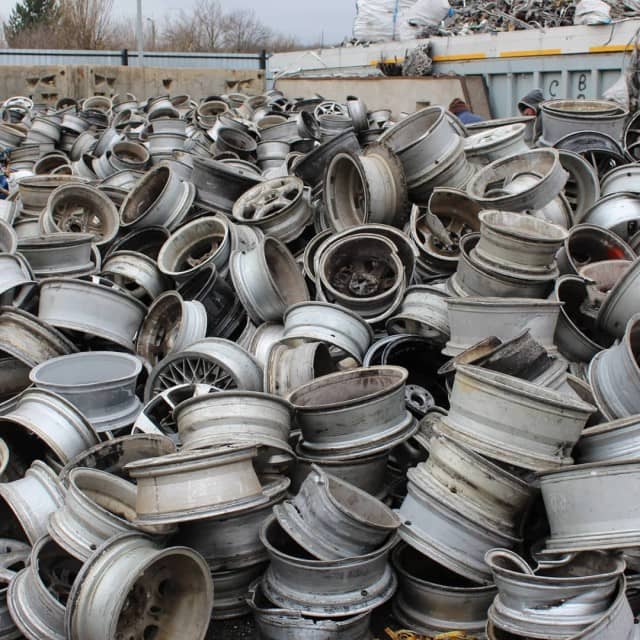
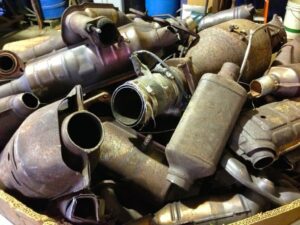
- Form: Gauze, wire, sheet cuttings, spent catalytic converters, thermocouple wire, crucible fragments, or melted ingots
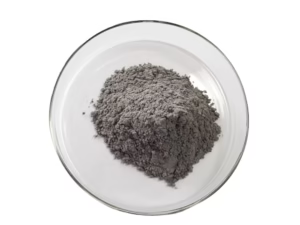
- Color: Silver-white to metallic grey
- Particle Size: 1mm to 500mm pieces, or bulk melted bars up to 10kg
- Density: 19.0-20.5 g/cm³ depending on Pt-Rh ratio
- Packaging Options: UN-approved 25kg steel drums with tamper seals, 500kg wooden crates with moisture barrier, or 1MT palletized boxes. Vacuum sealed for powder/fines
- Shelf Life: Indefinite when stored in dry, secure conditions. No degradation or oxidation risk
3. Core Industrial Applications
- Primary Industries: Chemical manufacturing, petroleum refining, nitric acid production, glass fiber production, automotive catalysts, electronics, and precious metal refiners
- Specific Operational Use Cases: Feedstock for recovery of pure Pt and Rh used in ammonia oxidation gauze, automotive TWC catalyst washcoats, glass bushings, thermocouples, laboratory equipment, and hydrogen fuel cell electrodes
- Why This Product Performs Better Than Alternatives: Recycled Pt-Rh alloy reduces dependence on primary mining, cuts raw material cost by 8-15% vs. virgin metal, and shortens sourcing lead time from 12-16 weeks to 2-4 weeks
- Efficiency, Durability, or Cost Advantages: Direct melt refining of alloy scrap yields >98.5% metal recovery rates. Eliminates mining and smelting carbon footprint, reducing Scope 3 emissions for buyers by up to 90% per kg of PGM
4. Competitive Advantages
- Quality Consistency: Every lot is homogenized, sampled, and assayed by independent LBMA-approved laboratories. Material traceability from source to shipment
- Supply Reliability: Established collection network across EU, US, and Asia ensures steady monthly availability of 50-100MT. Long-term contracts available
- Logistics Capability: Secure, insured, and compliant shipping under INCOTERMS CIF, FOB, or DDP. Experienced in hazardous precious metals transport and customs clearance
- Price Competitiveness: Pricing based on live LME/LBMA Pt & Rh fix minus competitive refining and handling charges. Transparent, index-linked formulas
- Sustainability Benefits: 100% recycled content. Provides auditable documentation for CBAM, ESG reporting, and responsible sourcing audits
- Technical Support: Full documentation set including MSDS, CoA, radioactivity certificate, and packing list. Dedicated metallurgists available for refining yield consultation
5. Commercial & Supply Information
- Minimum Order Quantity (MOQ): BULK 20MT
- Loading Capacity (MT per container): 20MT per 20ft container
Reviews
There are no reviews yet.