
Description
1. Product Overview
Propylene Oxide (PO) is a high-purity, reactive epoxide and a critical intermediate building block for the global chemical industry. It is primarily utilized in the production of polyether polyols for polyurethane foams, as well as propylene glycol and glycol ethers. The key value proposition is its consistent, high-reactive grade that delivers superior yield efficiency in downstream polymerization processes. Strategically, PO is indispensable to sectors ranging from construction and automotive to pharmaceuticals and consumer goods, making its reliable supply a cornerstone of modern industrial supply chains.
2. Key Specifications & Technical Characteristics
-
Chemical Composition: C₃H₆O (Propylene oxide; CAS 75-56-9)
-
Purity Grade: ≥ 99.9% (Premium Industrial Grade)
-
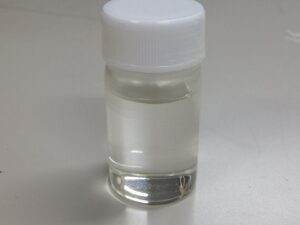
Physical Form: Volatile, colorless liquid
-
Key Physical Properties:
-
Boiling Point: 34°C (93°F)
-
Density: 0.830 g/cm³ at 20°C
-
Vapor Pressure: High (handled under nitrogen blanket)
-
-
Impurity Limits (Max):
-
Water: ≤ 0.05%
-
Aldehydes (as propionaldehyde): ≤ 0.01%
-
Total iron: ≤ 1 ppm
-
-
Packaging Options: ISO tank containers (20–25MT), bulk barges, drums (net 190kg) with PTFE-lined gaskets.
-
Shelf Life: 12 months when stored under dry nitrogen in sealed, corrosion-free vessels; avoid temperatures above 35°C.
3. Core Industrial Applications
-
Polyurethanes (Primary, ~65% of demand): Used to manufacture polyether polyols for flexible foams (furniture, bedding, automotive seating) and rigid foams (insulation panels, refrigeration). Outperforms alternative epoxides due to its balanced reactivity, producing polyols with lower unsaturation and better viscosity control.
-
Propylene Glycol (PG): Hydrated to produce industrial-grade PG (antifreeze, de-icing fluids) and USP-grade PG (pharmaceutical excipients, food flavor carriers). Delivers cost-per-ton efficiency superior to ethylene glycol in low-toxicity applications.
-
Glycol Ethers: Serves as a raw material for propylene glycol-based ethers (PM, DPM), offering lower toxicity and improved solvency compared to ethylene glycol ethers in paints, coatings, and cleaning agents.
-
Chemical Intermediate: Used in the synthesis of allyl alcohol, isopropanolamines, and butanediol, where high epoxide purity directly reduces catalyst poisoning and byproduct formation.
4. Competitive Advantages
-
Quality Consistency: Manufactured via chlorohydrin or advanced epoxidation processes (PO-only/t-BHP) with SPC-controlled batch tracking; certified to ISO 9001:2025 and meets ASTM D1508 specifications.
-
Supply Reliability: Multi-plant production footprint (Americas, ME, Asia-Pacific) with redundant logistics nodes; typical lead time 3–5 weeks ex-works, supported by contractual force majeure provisions.
-
Logistics Capability: Dedicated stainless steel ISO tank fleet with real-time GPS monitoring; vapor return systems and nitrogen padding standard for hazardous cargo (UN 1280, Class 3, PG I).
-
Price Competitiveness: Volume-indexed pricing with quarterly adjustment mechanisms; transparent surcharge for feedstock (propylene) volatility.
-
Sustainability: Low-chloride residuals (<5 ppm) for downstream processes requiring reduced corrosion; supplier roadmap toward bio-based and recycled-content PO by 2030.
-
Technical Support: Full SDS (2026 compliant), batch COA, and material compatibility guides for storage/handling; access to application lab for polyol and PG process optimization.
5. Commercial & Supply Information
-
Minimum Order Quantity (MOQ): 20 MT (one bulk ISO tank)
-
Loading Capacity per 20-ft Standard Container (Drums): 76 drums x 190kg = 14.44 MT net (Iso-tanks recommended for orders >20MT)
-
Bulk Order Terms: FOB, CIF, or DAP per INCOTERMS 2025; payment via LC at sight or wire transfer after credit verification.
-
Pricing: Contact sourcing desk for real-time spot and take-or-pay contract quotes (minimum annual volume 2,000 MT).
Reviews
There are no reviews yet.