
Description
1. Product Overview
PPS R4 grade is a high-performance, 40% glass fiber-reinforced polyphenylene sulfide (PPS) compound engineered for extreme thermal, chemical, and mechanical stress environments. It is primarily used in injection-molded components for automotive, industrial, and electrical applications where dimensional stability and flame resistance are non-negotiable. The key value proposition lies in its ability to replace metals and standard thermoplastics, reducing system weight by up to 40% while maintaining continuous operating temperatures of 200–240°C. Strategically, this grade is critical for manufacturers transitioning to high-efficiency, miniaturized, and electrified systems—especially in EV thermal management and fluid handling.
2. Key Specifications & Technical Characteristics
-
Chemical Composition: Polyphenylene Sulfide (PPS) with 40% by weight glass fiber reinforcement
-
Purity / Grade: Commercial engineering grade; low oligomer content (<0.5%) for minimal outgassing
-
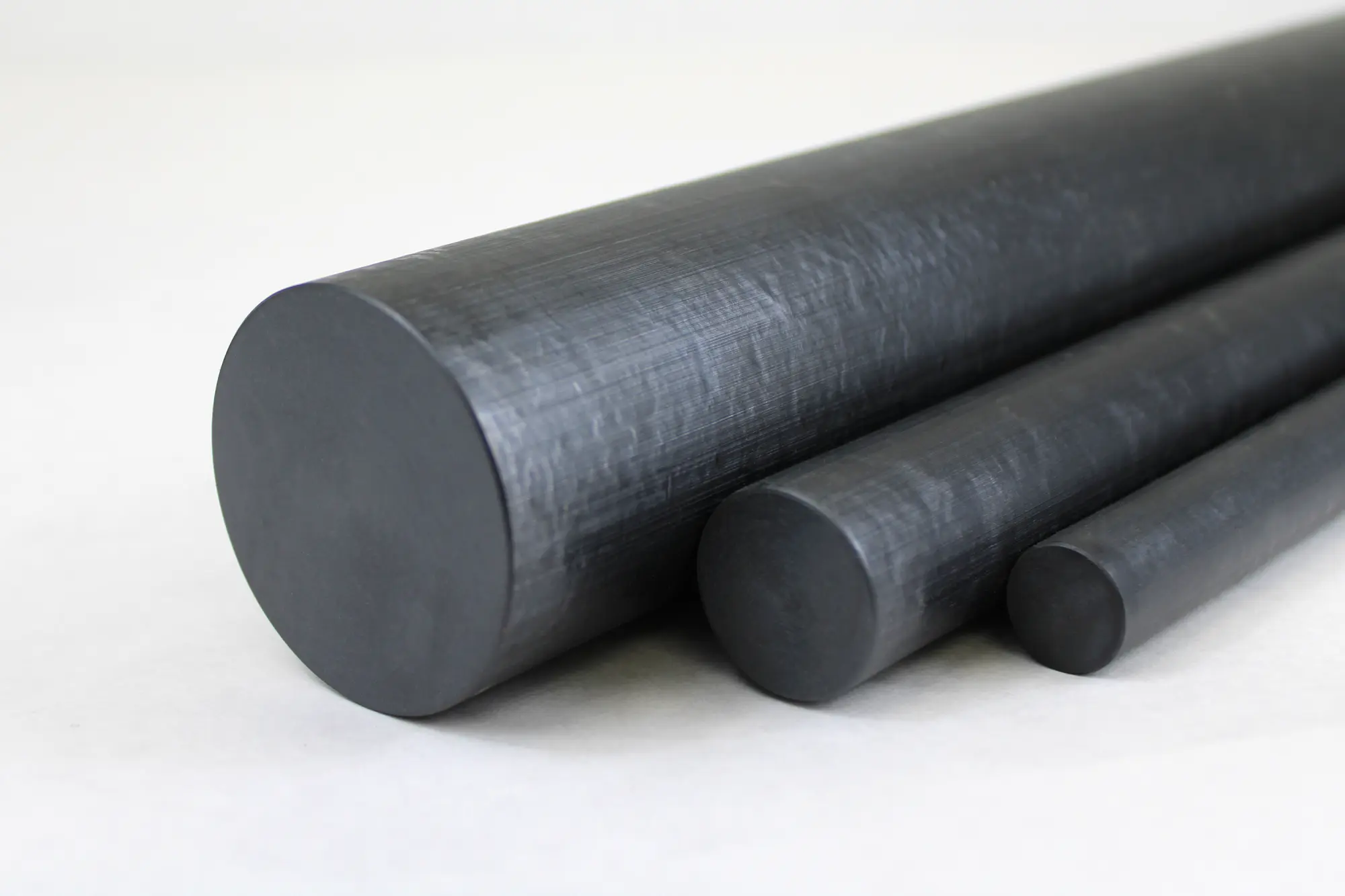
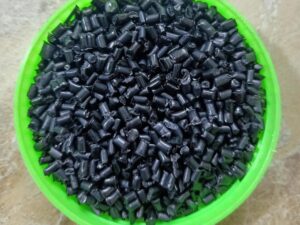
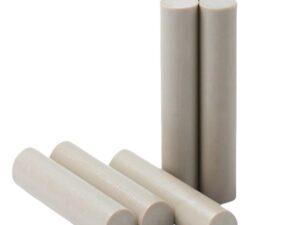
Physical Form: Cylindrical pellets (2.5–3.5 mm typical)
-
Color: Beige to light brown
-
Density: 1.66 – 1.68 g/cm³ (ASTM D792)
-
Melt Flow Index (MFI): 60–120 g/10 min (316°C / 5 kg, depending on viscosity variant)
-
Molding Shrinkage: 0.2–0.4% (flow direction)
-
Heat Deflection Temperature (HDT): >265°C at 1.82 MPa
-
Flammability Rating: V-0 (UL 94, 0.8 mm)
-
Water Absorption: <0.05% (24h immersion)
-
Packaging Options: 25 kg moisture-barrier bags; 500–1,000 kg octabins; 20 MT bulk bags
-
Shelf Life: 24 months from production date when stored below 40°C in original sealed packaging
3. Core Industrial Applications
-
Automotive & Electromobility: Coolant pumps, EGR components, transmission parts, and battery system busbars – PPS R4 withstands long-term exposure to glycols, oils, and salts at 150°C+, outperforming PA66 and PBT which degrade hydrolytically.
-
Industrial Fluid Handling: Pump housings, impellers, and valve bodies for chemical processing – superior resistance to acids, bases, and solvents compared to POM or PEI.
-
Electrical & Electronic: Connectors, bobbins, and switch components requiring arc resistance and CTI >175V – eliminates creep failure risk.
-
Efficiency advantage: Near-zero moisture absorption ensures injection molding precision without drying-related defects, reducing scrap rates by 15–20% vs. PA or PET equivalents.
4. Competitive Advantages
-
Quality consistency: Lot-to-lot viscosity control within ±7% via real-time online rheometry; full traceability from polymer feedstock to pellet.
-
Supply reliability: Dual-sourced global raw material contracts with minimum 6-month buffer stock; average lead time <15 days for contract customers.
-
Logistics capability: Hazard classification as non-dangerous good (not regulated under IATA/IMDG for PPS compounds).
-
Price competitiveness: Volume-scale manufacturing drives $0.10–0.15/kg below European and Japanese equivalents without mechanical property trade-offs.
-
Sustainability: 100% production waste regrind capable; compatible with mass-balance ISCC-certified low-carbon PPS precursor (available upon demand).
-
Technical support: Full Moldflow analysis, weld-line strength prediction, and chemical compatibility mapping provided with each qualified order.
5. Commercial & Supply Information
-
Minimum Order Quantity (MOQ): BULK 20 MT (single grade, single color, standard packaging)
-
Loading capacity per 20-ft standard container: 20 MT net (palletized, 25 kg bags or 1 MT octabins)
-
Loading capacity per 40-ft high-cube container: 20 MT (due to pellet density and pallet footprint; no additional stacking above 1.6m for pellet stability)
-
Lead time (post P.O. confirmation): 10–14 days for stock quantities; 25–30 days for custom viscosity or heat-stabilized variants.
-
Payment terms: Letter of credit (L/C at sight) or net 30 days with approved credit facility for contract volumes.
Reviews
There are no reviews yet.