
Description
1. Product Overview
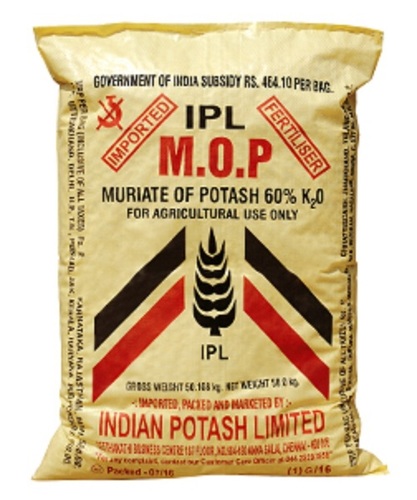
Potassium chloride (MOP potash) is the industry’s most widely utilized potash fertilizer, delivering essential macronutrient potassium (K₂O) for high-yield crop production. Its primary industrial application lies in large-scale agriculture, where it drives plant health, drought tolerance, and enzymatic activation. The key value proposition is exceptional nutrient density at a lower delivered cost per unit K₂O compared to sulfate-based alternatives. Strategically, MOP potash is indispensable to global food security—over 90% of potash consumption is for fertilizer—making it a non-negotiable input for commercial farming operations and a barometer of agricultural commodity markets.
2. Key Specifications & Technical Characteristics
-
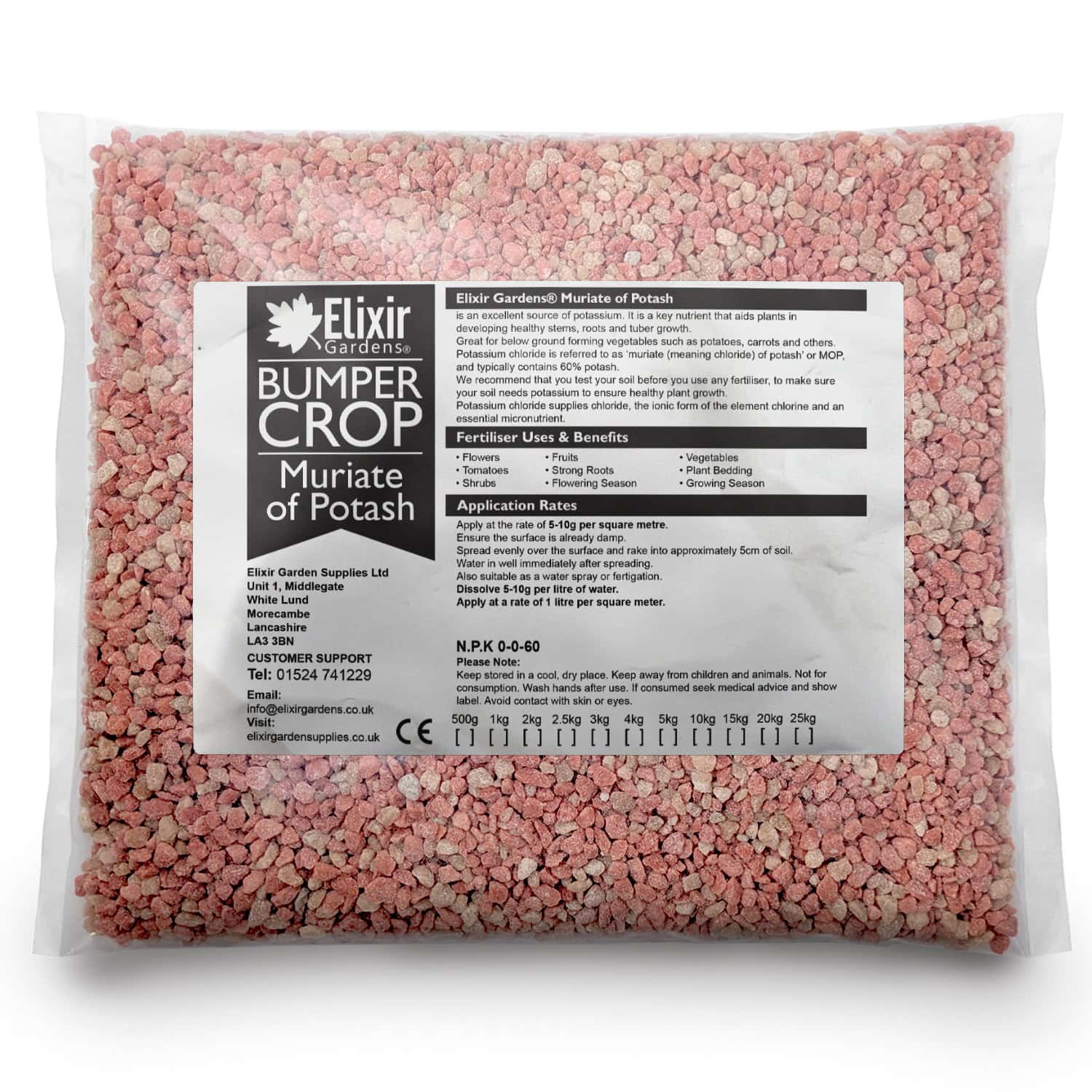
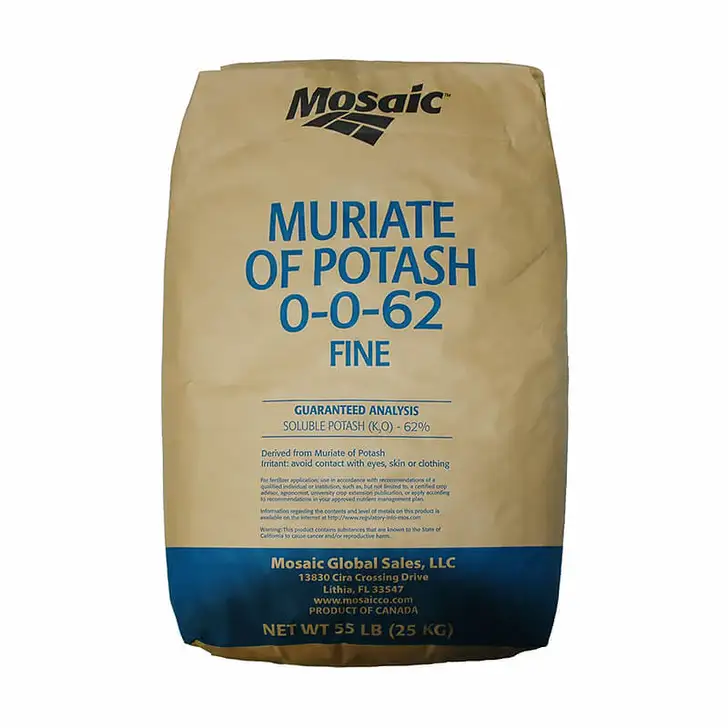
Chemical Composition: Potassium chloride (KCl) with minimum K₂O content of 60% or 62% (standard red/white grades)
-
Purity Level: 95%–99% KCl basis, free from heavy metal contaminants (meets EU Fertilizer Product Regulation 2019/1009)
-
Physical Characteristics:
-
Form: Granular (2–4 mm mesh, 90% retention) or Standard soluble (0–1 mm)
-
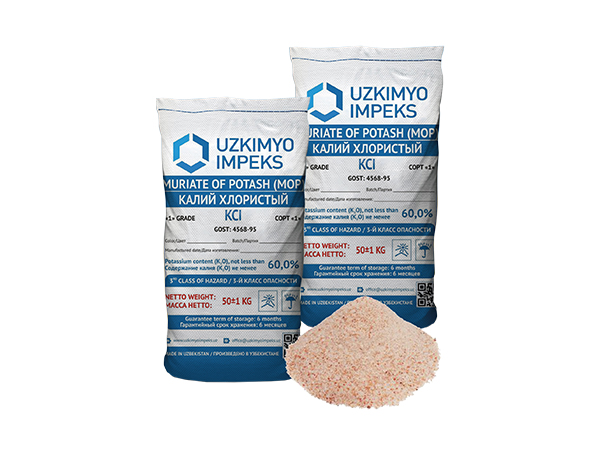
Color: Red (trace iron oxide) or White (higher purity, industrial grade)
-
Bulk Density: Loose 1.05–1.10 t/m³; Compacted 1.15–1.25 t/m³
-
Angle of Repose: 32°–35° (granular) – flowable for pneumatic systems
-
-
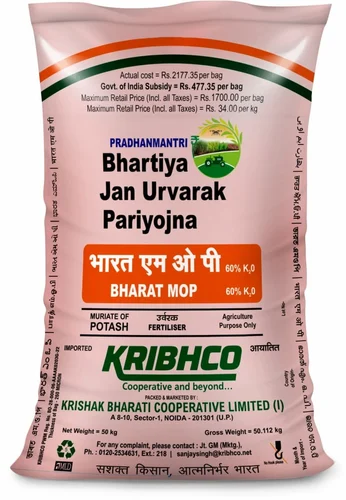
Packaging Options: 50 kg PP woven bags (with or without liner), 1–1.5 MT jumbo bags, bulk vessel loading (blow/suction)
-
Shelf Life: 36 months in dry, covered storage (resists caking with 0.1%–0.5% anti-caking treatment)
3. Core Industrial Applications
-
Primary Industries: Row crop agriculture (corn, soy, wheat, rice), specialty crop production (potatoes, sugar beets, tobacco), and NPK blend manufacturing
-
Operational Use Cases:
-
Direct soil application: Pre-plant or side-dress for broadacre farms – delivers rapid K+ availability in clay and loam soils
-
Bulk blend component: Mixed with urea/DAP to form custom NPK grades (e.g., 0-0-60 blends)
-
High-efficiency fertigation: White, soluble-grade MOP for drip or pivot systems (preferred in arid regions)
-
-
Performance advantage over alternatives: Delivers 10–15% lower cost per lb K₂O than SOP (potassium sulfate). Chloride carrier improves stalk strength, reduces fungal pressure (e.g., take-all in wheat), and mobilizes soil manganese. For non-chloride-sensitive crops (over 80 of top 100 global crops), MOP is the most economical macronutrient source.
4. Competitive Advantages
-
Quality consistency: ISO 9001:2025 certified production; batch-to-batch variability <1.5% K₂O – audited by SGS/Bureau Veritas
-
Supply reliability: Long-term off-take agreements with Russian, Belarusian, Canadian, and Lao producers (multi-origin portfolio mitigates geopolitical or sanction risks)
-
Logistics capability: Dedicated dry-bulk shipping fleet + 12 regional warehousing nodes (Rotterdam, Kakinada, New Orleans, Santos, Qingdao)
-
Price competitiveness: Direct mill contract pricing – no intermediary margin; index-linked (standard e.g., MOP CFR Brazil or FOB Vancouver) with volume rebates above 50,000 mt/quarter
-
Sustainability/EHS benefits: Low-carbon potash from solution-mining methods (up to 40% lower CO₂e than conventional underground mining); zero liquid discharge packaging facilities
-
Technical support: Agronomist-led EOR (Enhanced Oil Recovery) application guides + batch certificates of analysis (CoA) delivered via API or PDF upon dispatch
5. Commercial & Supply Information
-
Minimum Order Quantity (MOQ): 500 metric tons (MT) for direct mill-gate or FOB loading; 1,000 MT for CFR/CIF terms
-
Bulk loading capacity: 20 MT per standard 20-foot container (silo packed, 1.25 MT/m³ density by compaction); container-max: 27 MT for high-bulk specialized containers
-
Vessel-quantity note: Full Panamax cargoes from 25,000–50,000 MT accepted – spot or term contract. Lead time from order to dispatch: 14 days for bagged; 30 days for bulk vessel (subject to vessel nomination).
Reviews
There are no reviews yet.