
Description
1. Product Overview
Postbiotic Fermentation Extract is a bioactive ingredient derived from controlled microbial fermentation processes, containing beneficial metabolites, cell components, and functional compounds produced during fermentation. It is widely used in nutraceuticals, functional foods, dietary supplements, cosmetics, and advanced health formulations to support microbiome-focused product development. The extract provides manufacturers with a stable, scalable alternative to live microbial ingredients while delivering consistent functional benefits and enhanced formulation flexibility. As demand for next-generation wellness ingredients continues to grow globally, postbiotic fermentation extracts represent a strategic solution for innovative health and nutrition product manufacturers.
2. Key Specifications & Technical Characteristics
- Chemical Composition / Material Components:
- Complex blend of fermentation-derived bioactive metabolites, peptides, organic acids, polysaccharides, vitamins, enzymes, and microbial-derived cellular components.
- May contain postbiotic compounds from selected beneficial bacterial fermentation strains such as Lactobacillus and Bifidobacterium species (depending on manufacturing process).
- Free from viable microorganisms, providing improved stability compared with probiotic cultures.
- Purity Level / Grade:
- Food-grade, nutraceutical-grade, or cosmetic-grade options available.
- Manufactured under controlled fermentation and purification processes to ensure consistent bioactive content.
- Produced according to applicable quality management systems such as GMP, HACCP, and ISO standards (where applicable).
- Physical Characteristics:
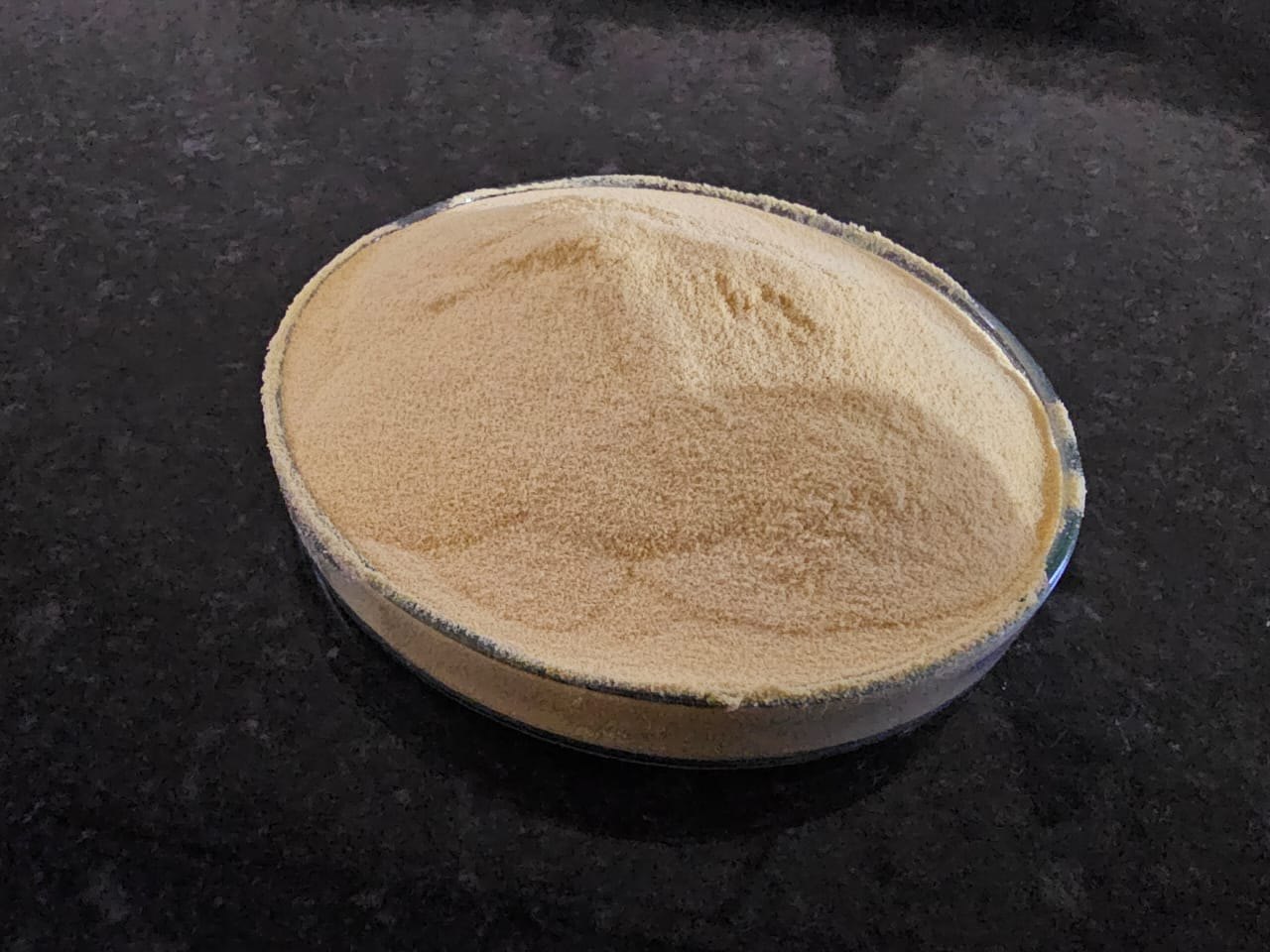
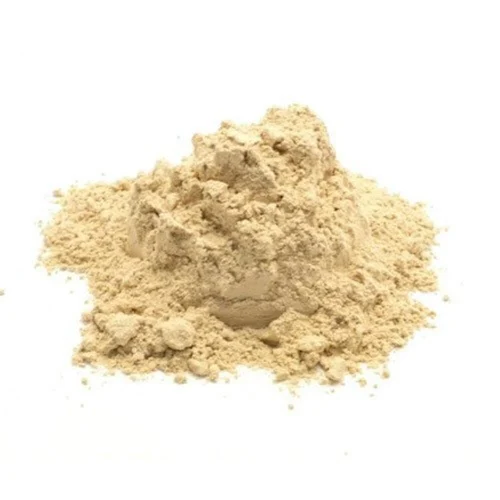
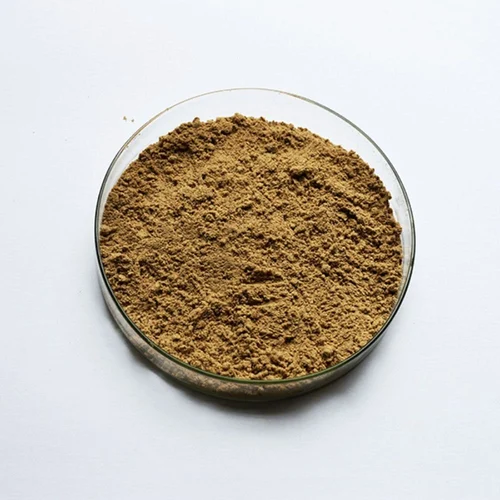
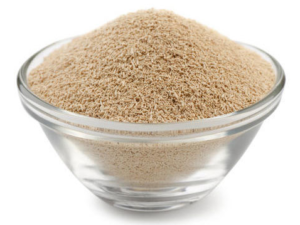
- Appearance: Light yellow to brown powder or concentrated liquid extract (depending on specification).
- Form: Spray-dried powder, freeze-dried powder, or liquid concentrate.
- Solubility: Easily dispersible in water-based formulations.
- Moisture Content: Controlled to maintain stability and shelf life.
- Particle Size: Customizable according to customer formulation requirements.
- Packaging Options:
- Food-grade aluminum foil bags, fiber drums, HDPE containers, or customized bulk packaging.
- Standard export packaging suitable for international transportation.
- Private labeling and customized packaging options available.
- Shelf Life:
- Typically 24–36 months when stored in a cool, dry environment away from direct sunlight and moisture.
3. Core Industrial Applications
- Nutraceutical & Dietary Supplement Industry:
- Used in capsules, tablets, powders, and functional blends designed for microbiome health and immune-support formulations.
- Enables development of stable postbiotic products without refrigeration requirements associated with live probiotics.
- Functional Food & Beverage Industry:
- Incorporated into wellness beverages, nutrition bars, dairy alternatives, and health-oriented food products.
- Provides functional positioning while maintaining formulation stability during processing.
- Cosmetics & Personal Care Industry:
- Used in skin-care formulations targeting barrier support, hydration, and microbiome-friendly cosmetic solutions.
- Compatible with creams, serums, masks, and advanced cosmetic formulations.
- Animal Nutrition Industry:
- Applied in feed additives and functional animal nutrition products to support gut health and performance.
- Performance Advantages:
- Higher thermal and storage stability compared with live probiotic cultures.
- Easier integration into a wide range of industrial formulations.
- Reduced handling requirements and improved supply-chain efficiency.
4. Competitive Advantages
- Quality Consistency:
- Advanced fermentation technology ensures batch-to-batch consistency and reliable bioactive profiles.
- Strict quality control supports predictable formulation performance.
- Supply Reliability:
- Scalable production capacity designed for global industrial demand.
- Stable sourcing solution for manufacturers developing long-term product lines.
- Logistics Capability:
- Export-ready packaging with optimized storage and transportation requirements.
- Suitable for global distribution networks with extended shelf stability.
- Price Competitiveness:
- Efficient fermentation-based production enables competitive pricing compared with certain traditional biological ingredients.
- Bulk supply options help reduce procurement costs for large-scale manufacturers.
- Sustainability Benefits:
- Fermentation-based manufacturing provides a resource-efficient production pathway with reduced environmental impact compared with some conventional extraction methods.
- Supports development of clean-label and sustainable health products.
- Technical Support & Documentation:
- Available technical documentation including specifications, certificates of analysis (COA), safety data sheets (SDS), and quality certifications where applicable.
- Formulation support available to assist customers with product integration and optimization.
5. Commercial & Supply Information
- Minimum Order Quantity (MOQ): BULK 20 MT
- Loading Capacity (MT per Container): Approximately 20–25 MT per 20-foot container (depending on packaging format and product density)


Reviews
There are no reviews yet.