

Description
1. Product Overview
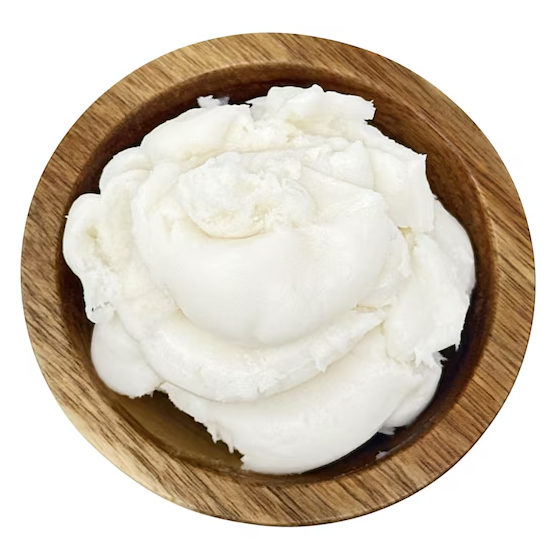
Pork Fat Refined is a high-quality purified animal fat derived from pork sources and processed to remove impurities while maintaining desirable functional properties. It is widely used as a raw material in food manufacturing, oleochemical production, bakery applications, and specialty industrial formulations requiring stable animal-based fats. With consistent quality, excellent texture performance, and versatile processing capabilities, refined pork fat provides manufacturers with a reliable ingredient solution. Its importance in global markets is driven by demand for cost-effective, functional fats across food, nutrition, and industrial sectors.
2. Key Specifications & Technical Characteristics
- Chemical Composition / Material Components:
- Primarily composed of triglycerides of fatty acids including oleic acid, palmitic acid, stearic acid, and linoleic acid.
- Naturally derived animal fat with controlled processing to achieve refined quality.
- Purity Level / Grade:
- Food-grade refined pork fat available for industrial and commercial applications.
- Processed to meet applicable quality, hygiene, and safety standards.
- Physical Characteristics:
- Form: Solid or semi-solid fat at ambient temperature.
- Color: White to pale yellow.
- Texture: Smooth, uniform, and clean.
- Odor: Mild characteristic fat aroma after refining.
- Melting Point: Typically 30–45°C depending on specification.
- Moisture & Impurities: Controlled to meet industrial requirements.
- Packaging Options:
- Bulk shipment in food-grade containers.
- 20 kg, 25 kg cartons or blocks.
- Drums, flexitanks, or customized industrial packaging available.
- Shelf Life:
- Typically 12–24 months when stored in cool, dry conditions away from direct sunlight and oxygen exposure.
3. Core Industrial Applications
- Food Processing Industry:
- Used in bakery products, pastries, confectionery, processed foods, and culinary fat blends for improved texture and mouthfeel.
- Provides excellent shortening properties and enhances product stability.
- Oleochemical Manufacturing:
- Serves as a feedstock for fatty acid production, glycerin processing, soaps, and specialty chemical applications.
- Meat & Food Ingredient Manufacturing:
- Utilized in formulation of processed meat products where functional animal fat is required.
- Industrial Formulations:
- Applied in selected lubricant, coating, and specialty formulation industries requiring natural fat-based components.
- Performance Advantages:
- Offers superior texture, melting characteristics, and processing efficiency compared with inconsistent raw animal fats.
- Provides cost advantages through stable supply and versatile application performance.
4. Competitive Advantages
- Quality Consistency: Refined under controlled processing conditions to deliver uniform composition, appearance, and performance.
- Supply Reliability: Supported by established sourcing networks and scalable production capacity for bulk industrial requirements.
- Logistics Capability: Available in bulk quantities with export-ready packaging and container loading solutions.
- Price Competitiveness: Provides an economical alternative to certain vegetable fats and specialty animal fats while maintaining functional performance.
- Sustainability Benefits: Utilizes animal-derived by-products efficiently, supporting resource optimization and circular production practices.
- Technical Support & Documentation: Available with quality certificates, specifications, traceability documentation, and compliance support for industrial buyers.
5. Commercial & Supply Information
- Minimum Order Quantity (MOQ): BULK 20 MT
- Loading Capacity: Approximately 20 MT per 20-foot container (subject to packaging format and logistics requirements)

Reviews
There are no reviews yet.