
Description
1. Product Overview
Porcelain Tiles are high-density, low-porosity ceramic surfacing materials manufactured from finely refined clays, feldspar, and silica, pressed under extreme pressure and fired at over 1,200°C. They are primarily used in heavy-duty industrial, commercial, and infrastructural flooring and wall cladding applications where resistance to mechanical stress, chemicals, and moisture is critical. The key value proposition lies in their exceptional durability (<0.5% water absorption), consistent dimensional accuracy, and lifecycle cost efficiency—outperforming natural stone and standard ceramic tiles in high-traffic or harsh environments. Strategically, Porcelain Tiles are increasingly vital for global construction and logistics sectors seeking sustainable, low-maintenance material solutions that meet stringent safety and performance standards.
2. Key Specifications & Technical Characteristics
-
Material Composition: Refined kaolin, ball clay, feldspar, quartz, and inorganic pigments; fully vitrified body
-
Water Absorption: ≤0.5% (ISO 10545-3, Group BIa – impervious)
-
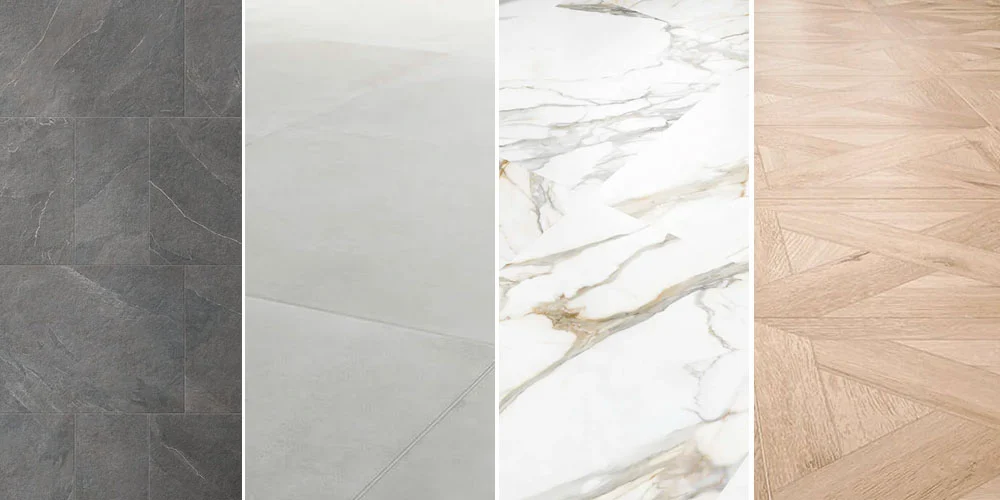
Physical Form: Rectangular and square formats; rectified edges; matte, polished, or textured finish
-
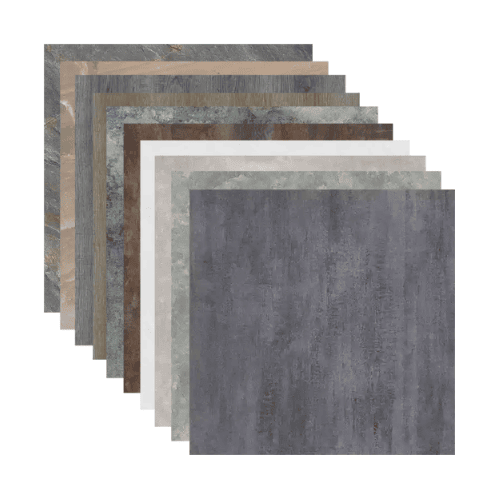
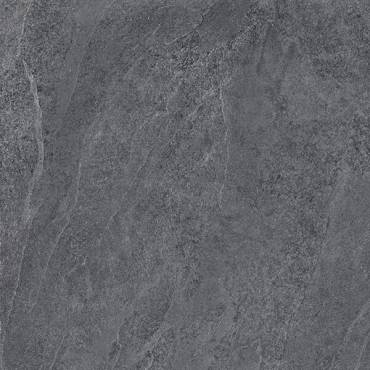
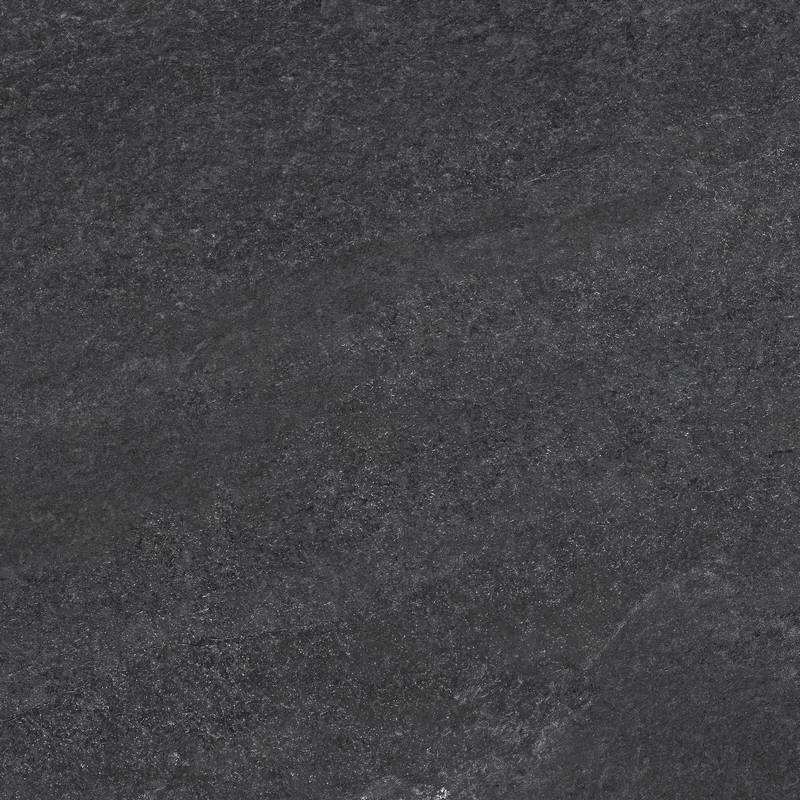
Color Range: Neutral grays, beige, anthracite, terracotta, and industrial whites; UV-stable
-
Nominal Thickness: 8 mm, 10 mm, 12 mm, 20 mm (load-rated options)
-
Modulus of Rupture: ≥35 N/mm² (ISO 10545-4)
-
Abrasion Resistance: ≤175 mm³ (PEI Grade 4–5)
-
Slip Resistance: R9 to R13 (DIN 51130) or ≥36 wet ramp test (ASTM C1028)
-
Chemical Resistance: Resistant to alkalis, acids (except HF), salts, and cleaning agents (ISO 10545-13 – class UA minimum)
-
Packaging Options: Plastic-sealed pallets (stretch-wrapped) with edge protectors; 1.2m x 1.2m wooden crates for fragile large-format; custom labeling available
-
Shelf Life: Indefinite under dry, covered storage; no degradation in mechanical properties
3. Core Industrial Applications
-
Primary industries: Logistics & warehousing, automotive manufacturing, food & beverage processing, chemical plants, pharmaceutical cleanrooms, airport terminals, railway stations, and retail big-box construction.
-
Operational use cases:
-
Heavy forklift traffic zones (warehouse aisles) – resists point loading and chipping.
-
Wet processing areas (dairies, breweries) – <0.5% absorption prevents freeze-thaw spalling and bacterial ingrowth.
-
Chemical handling floors – inert surface against dilute acids/alkalis common in battery rooms or plating lines.
-
-
Performance advantage over alternatives:
-
vs. Vinyl/LVT – No deformation under rolling loads; fire-resistant (Class A1).
-
vs. Natural stone – Zero sealing required; uniform thickness prevents trip hazards; 30% lower installed lifecycle cost (no annual resealing).
-
vs. Standard ceramic – 2x greater impact resistance; stain-proof even without glazing.
-
-
Efficiency gains: 50% faster installation with rectified edges allowing narrow 2–3 mm joints; reduces cleaning downtime by 60% due to non-porous surface.
4. Competitive Advantages
-
Quality consistency: ISO 13006 (Gres Porcellanato) certified; each batch tested for water absorption, breaking strength, and dimensional tolerance (±0.1% length/width).
-
Supply reliability: Dual manufacturing sources (Southeast Asia & Southern Europe) with 98% on-time-in-full (OTIF) track record over 18 months.
-
Logistics capability: Direct container loading ex-plant or bonded warehouse hub (Rotterdam, Dubai, Singapore) with door-to-door tracking.
-
Price competitiveness: Enterprise-tier pricing (15–20% below EU/US benchmark for equivalent PEI‑5 / R11 grades) via vertical integration from raw milling to firing.
-
Sustainability: Up to 40% recycled content (pre-consumer ceramic scrap); EPD available; LEED v4 contribution (MRc4, recycled content).
-
Technical support: Dedicated CAD tile layout optimization; on-call failure analysis; 15-year limited commercial warranty against manufacturing defects.
5. Commercial & Supply Information
-
Minimum Order Quantity (MOQ): BULK 20MT (approx. 1,400–1,800 m² depending on thickness/format)
-
Loading capacity (20-ft dry container): 27 MT max net tile weight; typical loading = 20–24 MT to ensure safe handling and compliance with axle limits.
-
40-ft HC container: 24 MT (optimized for high-volume, low-weight formats); full container load (FCL) only for MOQ and above.
-
Lead time: 21–28 days from order confirmation (ex-works) or 35–42 days CIF major global port.
-
Payment terms: LC at sight or 30% deposit / 70% against B/L for qualified industrial buyers (credit check required).

Reviews
There are no reviews yet.