
Description
1. Product Overview
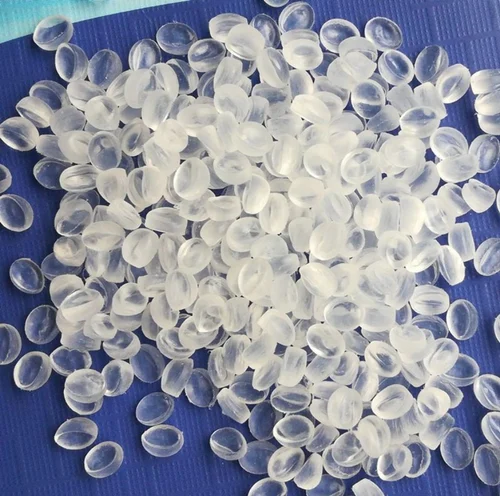
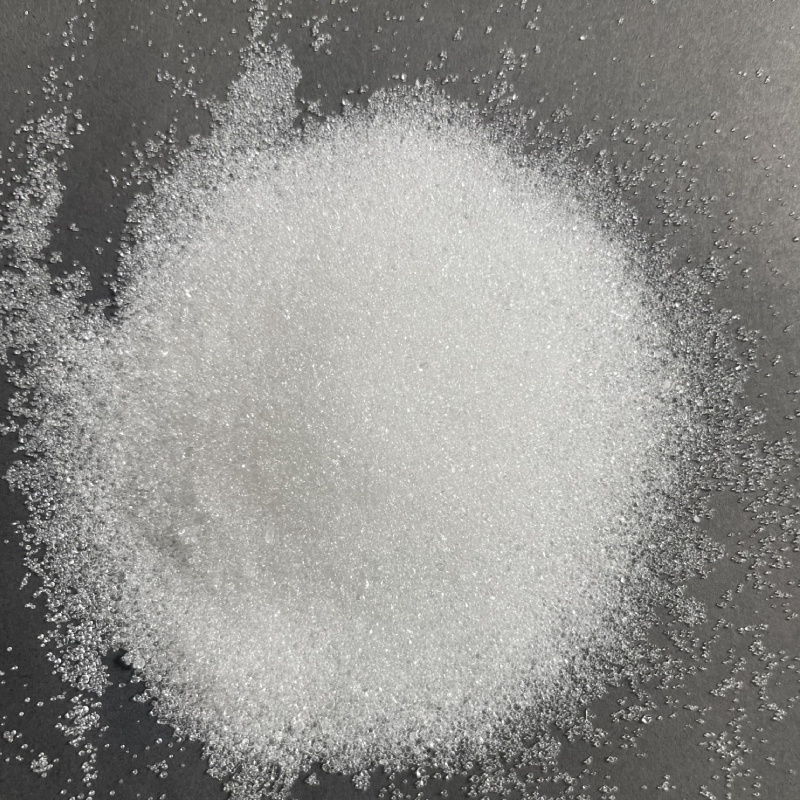
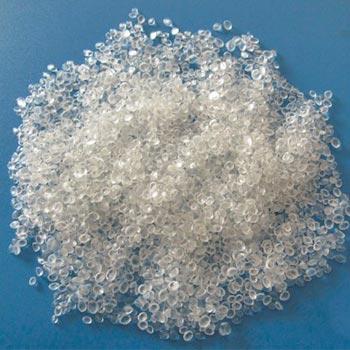
Polyvinyl acetate (PVAc) is a thermoplastic, non-toxic, water-dispersible polymer emulsion widely recognized as the foundational binder for high-performance adhesives, coatings, and sealants. Its primary industrial use spans woodworking, paper packaging, construction, and textile bonding, where it delivers exceptional adhesion to porous substrates. The key value proposition is its superior balance of fast film formation, high initial tack, and compliance with low-VOC regulatory standards. Strategically, PVAc is indispensable in markets transitioning from solvent-based to water-based systems, offering a cost-efficient pathway to meet global sustainability mandates without compromising bond strength.
2. Key Specifications & Technical Characteristics
-
Chemical composition: Polyvinyl acetate homopolymer, non-ionic stabilized emulsion
-
Purity level / grade: Industrial grade (99.5% min. solids); low-VOC, APEO-free, formaldehyde-free options available
-
Physical characteristics:
-
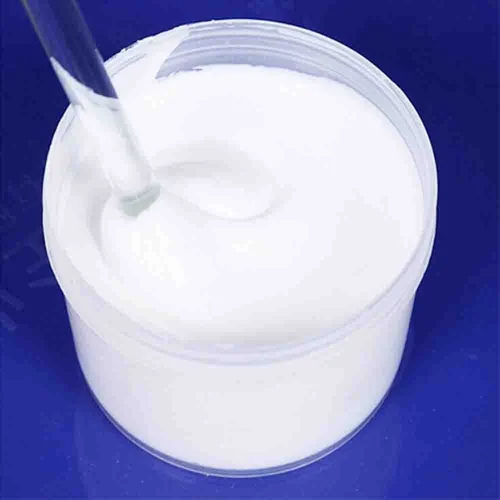
Form: Milky white liquid emulsion
-
Color (dry film): Clear to translucent
-
Particle size: 0.5–1.5 µm (fine dispersion)
-
Density: 1.17–1.19 g/cm³ at 25°C
-
Viscosity: 500–2,500 mPa·s (Brookfield, LV, 25°C, variable by grade)
-
pH: 4.0–6.0
-
Minimum film-forming temperature (MFFT): ~5–10°C
-
-
Packaging options: 200 kg steel drums, 1,000 kg IBC totes, bulk flexitanks (20 MT)
-
Shelf life: 12 months from production date when stored at 5–35°C in sealed, frost-free conditions
3. Core Industrial Applications
-
Woodworking & furniture manufacturing: Primary adhesive for finger-jointing, edge-gluing, veneering, and assembly – outperforms traditional animal glues and urea-formaldehyde resins in open time and initial tack, reducing clamp time by up to 30%.
-
Paper & packaging: Core binder for spiral-wound tubes, paper bags, corrugated board lamination, and bookbinding – delivers superior mechanical strength and non-yellowing dry film, critical for white or printed substrates.
-
Construction (dry-mix mortars): Additive in ceramic tile adhesives, joint compounds, and renders – improves adhesion to smooth substrates (glass, metal, sealed concrete) where standard cement binders fail.
-
Textile & nonwovens: Back-coating for woven interlinings and fabric stiffening – provides consistent hand feel and wash durability without formaldehyde release.
4. Competitive Advantages
-
Quality consistency: ISO 9001:2025-certified production with batch-to-batch viscosity and residual monomer control (≤0.1% free vinyl acetate).
-
Supply reliability: Redundant manufacturing lines across three continents; safety stock equivalent to 60 days of forecasted demand.
-
Logistics capability: Temperature-controlled supply chain with real-time tracking; damage-free delivery guarantee for emulsion products.
-
Price competitiveness: Long-term vinyl acetate monomer (VAM) procurement contracts enabling stable quarterly pricing with no hidden surcharges.
-
Sustainability: Bio-attributed PVAc grades available (ISCC PLUS certified) with 25–30% renewable carbon content.
-
Technical support: Dedicated application engineers provide formulation guidance, compatibility testing (with PVA, starches, plasticizers), and on-site troubleshooting.
5. Commercial & Supply Information
-
Minimum order quantity (MOQ): 20 MT (bulk flexitank or 100 × 200 kg drums)
-
Loading capacity (MT per 20-ft container): 20 MT (standard) / 18 MT (with palletized drums for select ports)


Reviews
There are no reviews yet.