

Description
1. Product Overview
Polymeric MDI (PMDI) is a high-performance aromatic isocyanate widely used as a key raw material in the production of rigid polyurethane foams and composite wood products. It plays a critical role in insulation systems, engineered panels, and structural bonding applications due to its superior reactivity and crosslinking capability. PMDI delivers exceptional mechanical strength, thermal stability, and adhesion properties, making it indispensable across construction and manufacturing industries. Its strategic importance lies in enabling energy-efficient materials, lightweight structures, and cost-effective large-scale production, positioning it as a cornerstone input in modern industrial supply chains.
2. Key Specifications & Technical Characteristics
- Chemical Composition: Polymeric Methylene Diphenyl Diisocyanate (PMDI)
- Purity/Grade: Industrial grade; NCO content typically 30–32%
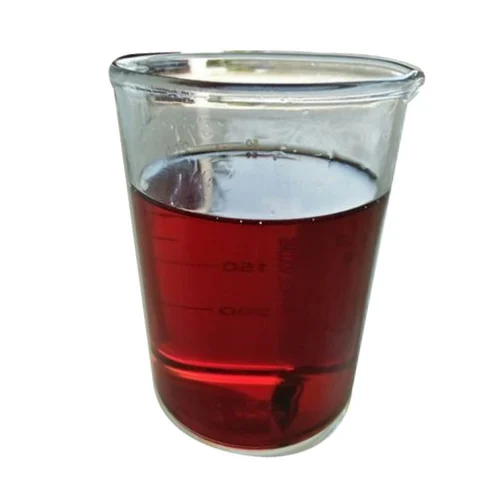
- Appearance: Dark brown liquid
- Viscosity: Moderate to high (depending on grade and temperature)
- Density: ~1.22–1.25 g/cm³ at 25°C
- Reactivity: High functionality with excellent crosslinking performance
- Packaging Options:
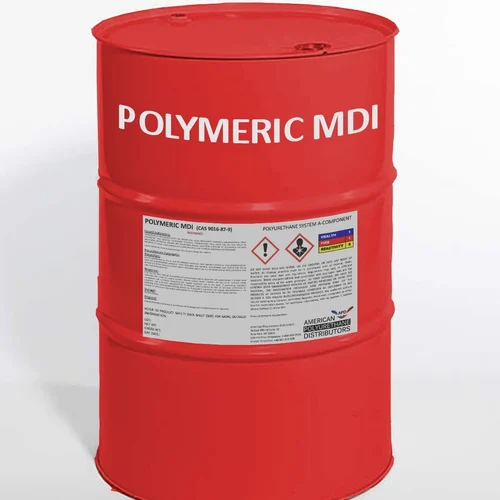
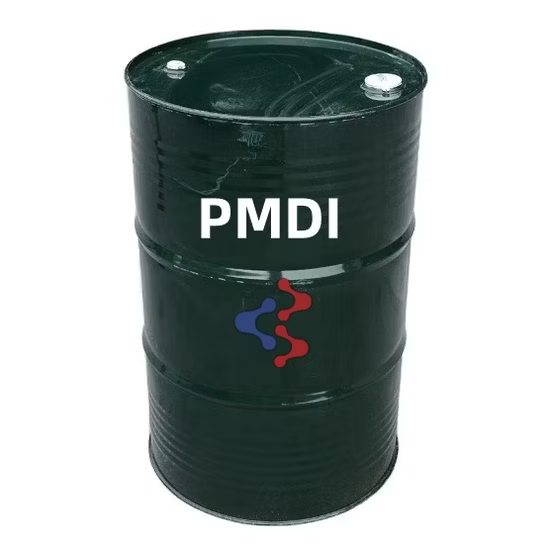
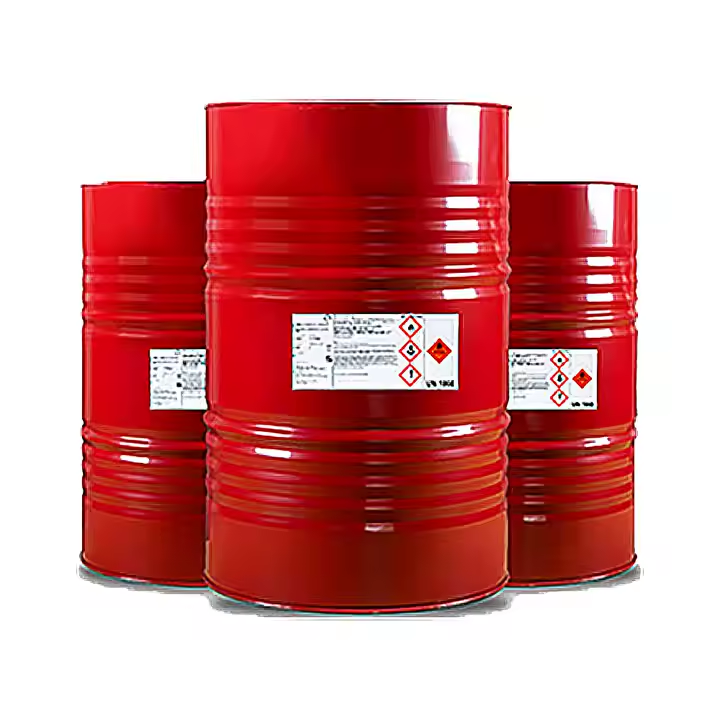
- Steel drums (200–250 kg)
- IBC containers (1,000–1,250 kg)
- Bulk ISO tanks
- Shelf Life: عادةً 6–12 months under dry, sealed storage conditions
3. Core Industrial Applications
PMDI is extensively used across multiple high-demand industries, including construction, insulation, automotive, and engineered wood manufacturing. In construction, it is a critical input for rigid polyurethane foams used in thermal insulation panels, roofing systems, and refrigeration units. In the wood industry, PMDI serves as a formaldehyde-free binder in OSB (oriented strand board), MDF, and particleboard production, improving durability and environmental compliance.
Compared to alternative binders and isocyanates, PMDI offers superior bonding strength, moisture resistance, and structural integrity, enabling longer product lifespans and reduced material failure rates. Its high reactivity enhances production efficiency by reducing curing time, while its performance characteristics support lightweight yet robust end-products—delivering both cost and operational advantages.
4. Competitive Advantages
- Quality Consistency: Strict production controls ensure stable NCO content and predictable reactivity across batches
- Supply Reliability: Scalable global sourcing with consistent availability for large-volume industrial buyers
- Logistics Capability: Flexible packaging and bulk shipping options optimized for international transport and storage
- Price Competitiveness: Optimized manufacturing and supply chain efficiencies reduce total cost of ownership
- Sustainability: Enables production of energy-efficient insulation materials and supports low-emission wood composites
- Technical Support: Comprehensive documentation, handling guidelines, and formulation support available for industrial integration
5. Commercial & Supply Information
- Minimum Order Quantity (MOQ): Bulk 20 MT
- Loading Capacity:
- ~20–25 MT per 20-ft container (depending on packaging format)


Reviews
There are no reviews yet.