
Description
1. Product Overview
Polyisobutylene is a high-molecular-weight, synthetic elastomer derived from isobutylene, recognized for its exceptional chemical stability, impermeability, and flexibility across extreme temperatures. It serves as a critical raw material in industries ranging from automotive lubricants to industrial adhesives and fuel additives, delivering unmatched oxidation resistance and gas-barrier performance. In a market increasingly demanding durability and formulation precision, PIB provides a strategic advantage by reducing maintenance cycles and extending product lifespans, making it an indispensable input for high-performance industrial compounds.
2. Key Specifications & Technical Characteristics
-
Chemical composition: Isobutylene homopolymer; fully saturated hydrocarbon backbone
-
Purity level: ≥ 99.5% (industrial grade); custom molecular weight grades available (low, medium, high)
-
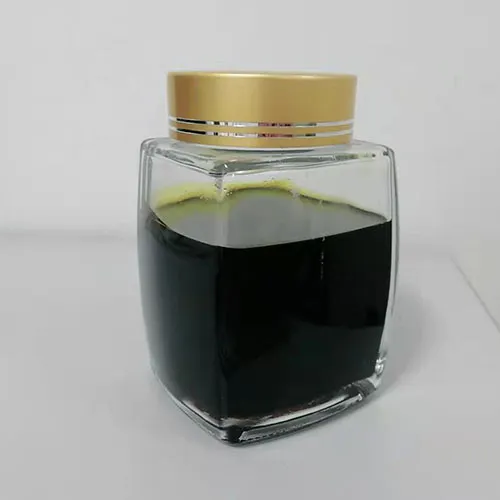
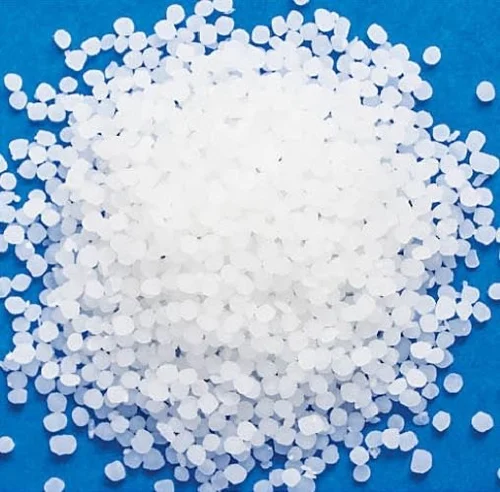
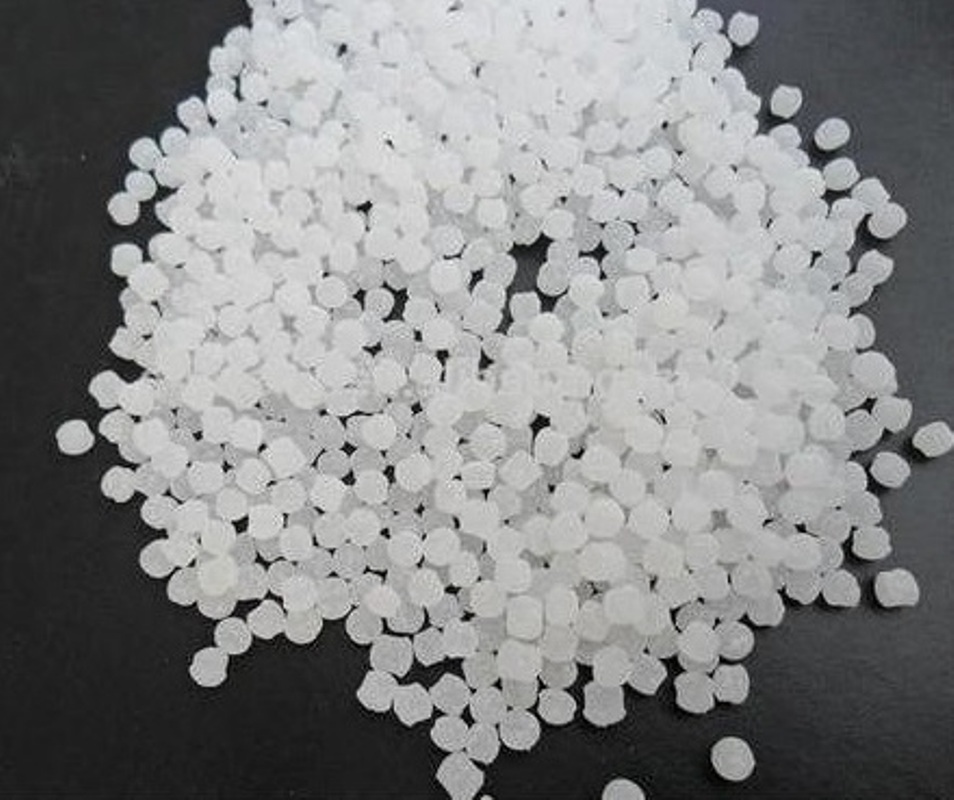
Physical form: Viscous liquid (low MW) or amorphous solid / crumb (high MW)
-
Color: Water-white to off-white (APHA ≤ 30 for high-purity grades)
-
Density: 0.91 – 0.92 g/cm³ at 20°C
-
Molecular weight range: 300 – 4,000+ g/mol, tailored per application
-
Viscosity (low MW): 1,000 – 100,000 cP at 100°C
-
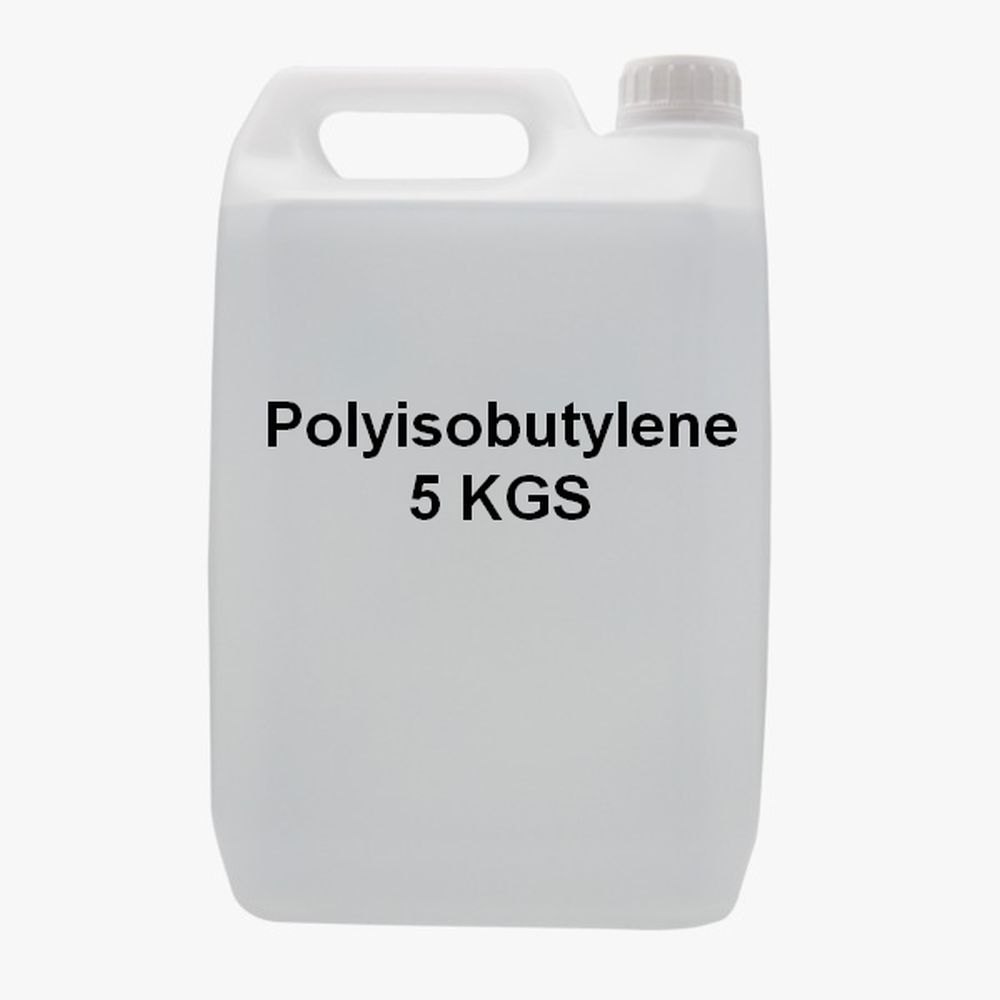
Packaging options: 180 kg steel drums, 1,000 kg IBC totes, bulk ISO tanks, or 20 MT flexitanks
-
Shelf life: 24 months in original sealed container under dry, ambient conditions (15–30°C)
3. Core Industrial Applications
-
Automotive & lubricants: Used as a viscosity index improver and dispersant in engine oils, gear oils, and transmission fluids — outperforming competing polymers with superior shear stability and deposit control, reducing engine wear by up to 30%.
-
Adhesives & sealants: Serves as a permanent-tack base for pressure-sensitive adhesives, hot melts, and caulks — delivers exceptional cohesion and moisture resistance compared to natural rubber or acrylics, extending bond life in construction and packaging.
-
Fuel additives: Critical component in detergent packages for gasoline and diesel — prevents injector fouling and intake valve deposits more effectively than polyether amines under high-heat combustion.
-
Electrical insulation: Used in cable-filling compounds and high-voltage grease — its low dielectric constant and water-impermeability outperform petroleum-based jellies, reducing signal attenuation in telecom cables.
4. Competitive Advantages
-
Quality consistency: Produced via controlled cationic polymerization with real-time viscosity monitoring; batch-to-batch variation below 2% — validated by ISO 9001:2025 certified labs.
-
Supply reliability: Dual-sourced monomer feedstock from cracker-integrated facilities; 99.5% on-time-in-full (OTIF) delivery record across North America, Europe, and Asia-Pacific.
-
Logistics capability: Dedicated temperature-controlled fleet for liquid grades; hazardous classification none (non-toxic, non-flammable below 200°C) — simplifies cross-border shipping and warehouse storage.
-
Price competitiveness: Long-term take-or-pay contracts with ethylene producers enable stable quarterly pricing, insulated from spot monomer volatility.
-
Sustainability: 100% recyclable into process oil; halogen-free formulation supports RoHS and REACH compliance; low-VOC emission profile.
-
Technical support: Access to application engineers for formulation optimization, plus full SDS, CoA, and regulatory documentation via digital portal.
5. Commercial & Supply Information
-
Minimum order quantity (MOQ): 20 metric tons (MT) per product grade
-
Loading capacity (bulk): 20 MT per standard 20-foot dry container (flexitank or drummed pallets)
*Note: ISO tank containers can hold 22–24 MT depending on liquid density; solid/crumb grade requires 20 MT max per container for safe stacking*



Reviews
There are no reviews yet.