
Description
1. Product Overview
Polyethylene wax is a low-molecular-weight ethylene polymer offering exceptional lubricity, dispersion, and melt-point stability for industrial formulation. Its primary industrial use is as a processing aid and surface modifier in masterbatch, PVC, hot-melt adhesives, coatings, and plastics. The key value proposition lies in reducing frictional resistance and improving pigment dispersion while maintaining thermal stability. Strategically, it is an indispensable cost-performance enabler for high-throughput manufacturing, directly impacting line efficiency and final product quality.
2. Key Specifications & Technical Characteristics
-
Chemical composition: Low-density polyethylene (LDPE) or high-density polyethylene (HDPE) homopolymer
-
Purity grade: ≥99.5% active content; food-contact compliant grades available (FDA / EU 10/2011)
-
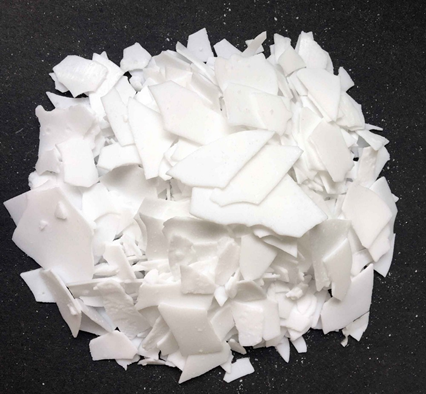
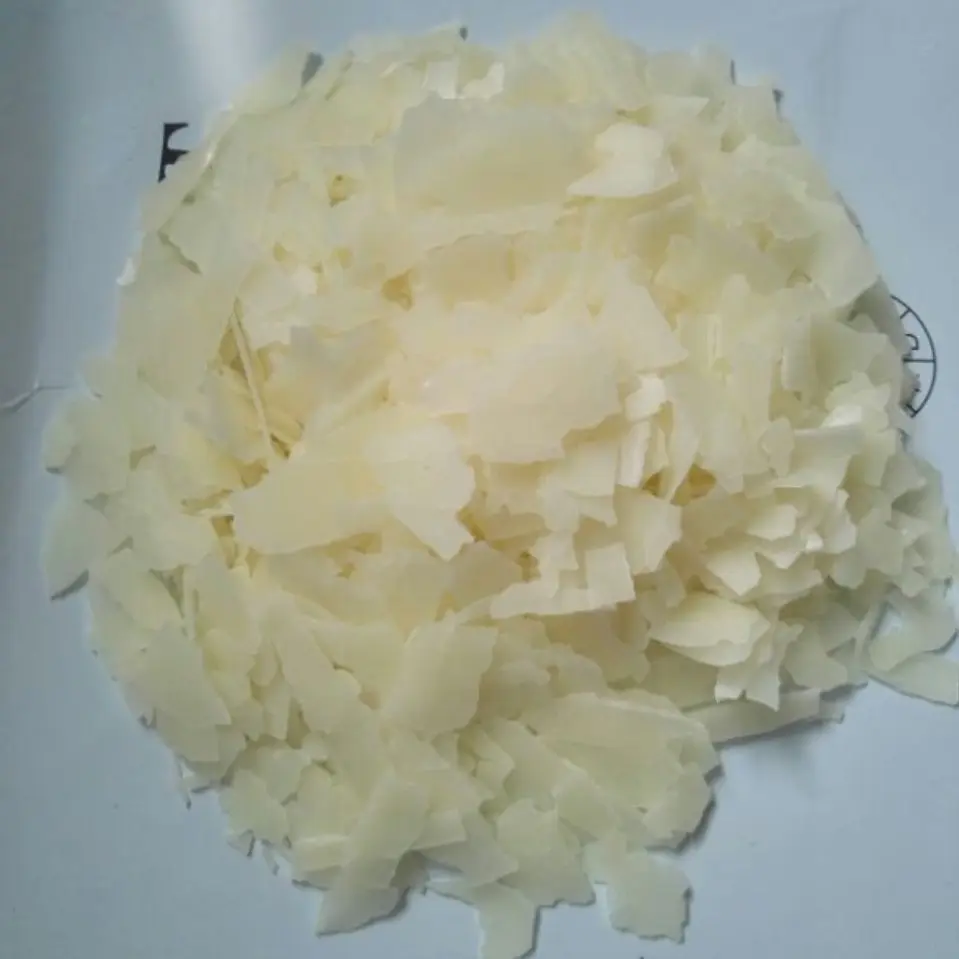
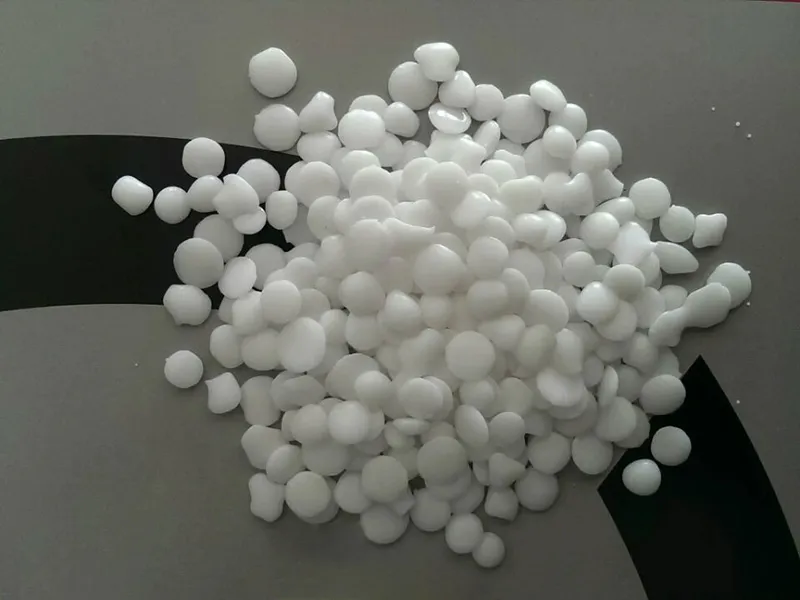
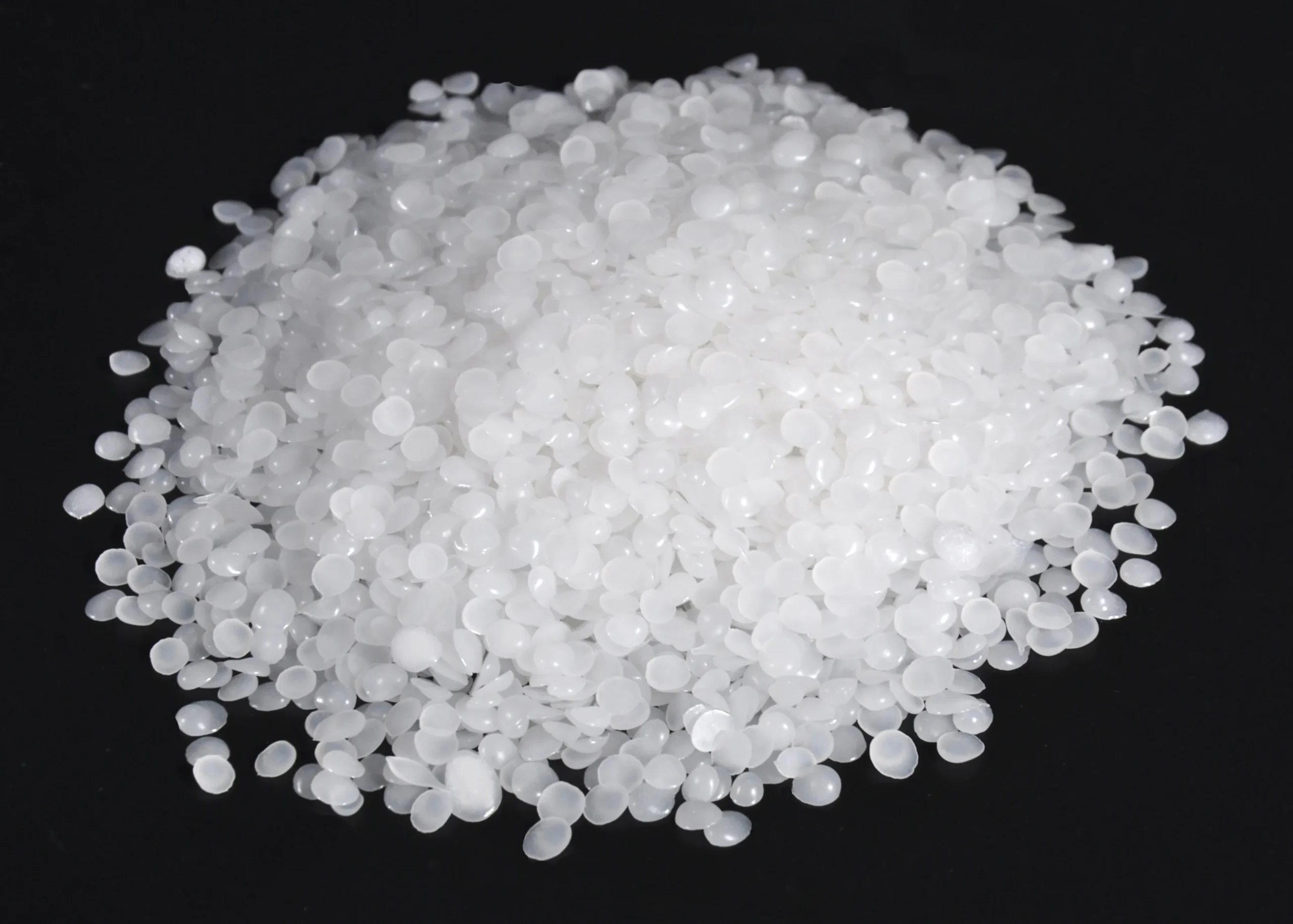
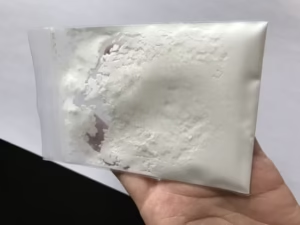
Physical form: Micronized powder (particle size: D50 5–30 µm) or pastille (2–3 mm beads)
-
Color: White to off-white
-
Dropping point (Mettler): 100°C – 120°C (depending on grade)
-
Viscosity @140°C: 10 – 2000 cps (low, medium, high viscosity grades)
-
Density: 0.92 – 0.96 g/cm³
-
Acid value: 0 mg KOH/g (non-oxidized) or customized 5–30 mg KOH/g (oxidized grade for water-based systems)
-
Packaging options: 25 kg net multi-wall paper bags, 500 kg bulk bags, or 800 kg palletized shrink-wrapped units
-
Shelf life: 24 months in dry, ambient conditions (<40°C), away from direct sunlight
3. Core Industrial Applications
-
Masterbatch & compounds: Internal lubricant to reduce torque and improve dispersion of carbon black and organic pigments – reduces processing temperature by 5–10°C compared to paraffin wax.
-
PVC processing (calendering, extrusion): External lubricant for rigid PVC pipes and profiles – eliminates plate-out and improves surface gloss without compromising weld line strength.
-
Hot-melt adhesives: Viscosity reducer and open-time extender – enables lower application temperature (130–150°C) vs. Fischer-Tropsch wax, reducing energy costs by ~15%.
-
Solvent-based coatings & inks: Matting agent and anti-block additive – provides rub resistance at <2% loading vs. 5–8% for micronized PTFE.
-
Rubber processing: Release agent and dispersion aid for carbon black – reduces cure time variability and improves extrusion surface finish.
4. Competitive Advantages
-
Quality consistency: ISO 9001:2025 certified production with batch-to-batch viscosity variation <±5%; each shipment includes CoA (dropping point, viscosity, particle size).
-
Supply reliability: Dual-sourced virgin ethylene feedstocks and redundant manufacturing lines in three regions; typical lead time 7–14 days globally.
-
Logistics capability: Bulk pneumatic tanker, flexitainer, or palletized container options; real-time tracking for all B2B orders.
-
Price competitiveness: Transparent index-linked pricing (ICIS/Platts ethylene) with volume tier discounts; no hidden surcharges for food-grade certification.
-
Sustainability: Available bio-circular grade (mass-balance ISCC PLUS) with 70% lower carbon footprint vs. fossil-based; 100% recyclable packaging.
-
Technical support: In-house application lab offering formula optimization and rheology testing reports within 48 hours of sample request.
5. Commercial & Supply Information
-
Minimum order quantity (MOQ): 1 metric ton (MT) for standard pastille grade; 5 MT for micronized powder.
-
BULK 20MT loading capacity: 20 MT per 20-foot dry container (palletized, 800 kg/pallet, 25 bags/pallet) – exact capacity: 20.0 MT net weight.
-
Lead time: Stocked items: 5 working days EXW; custom viscosity grades: 15 working days.
-
Incoterms supported: EXW, FOB, CIF, CFR, DDP (subject to volume).


Reviews
There are no reviews yet.