
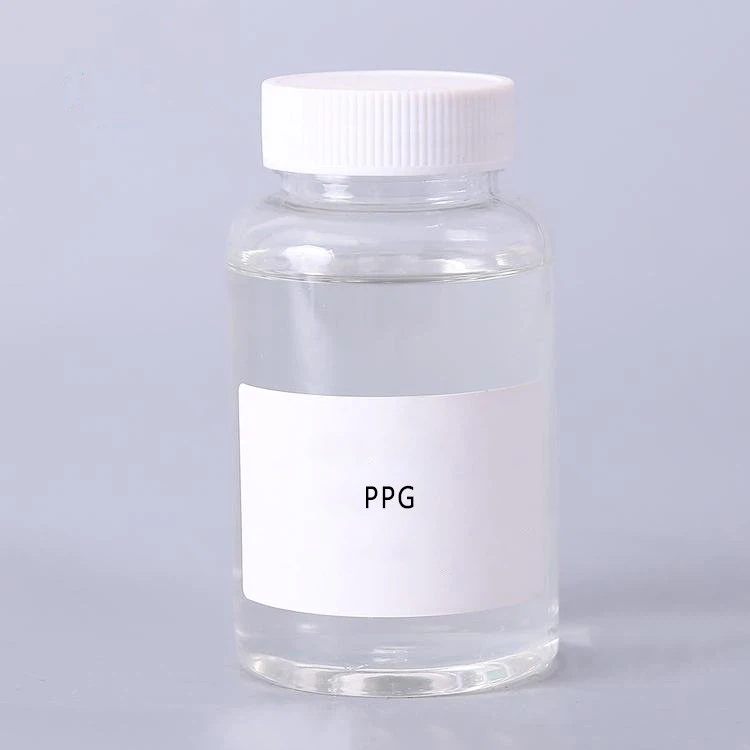
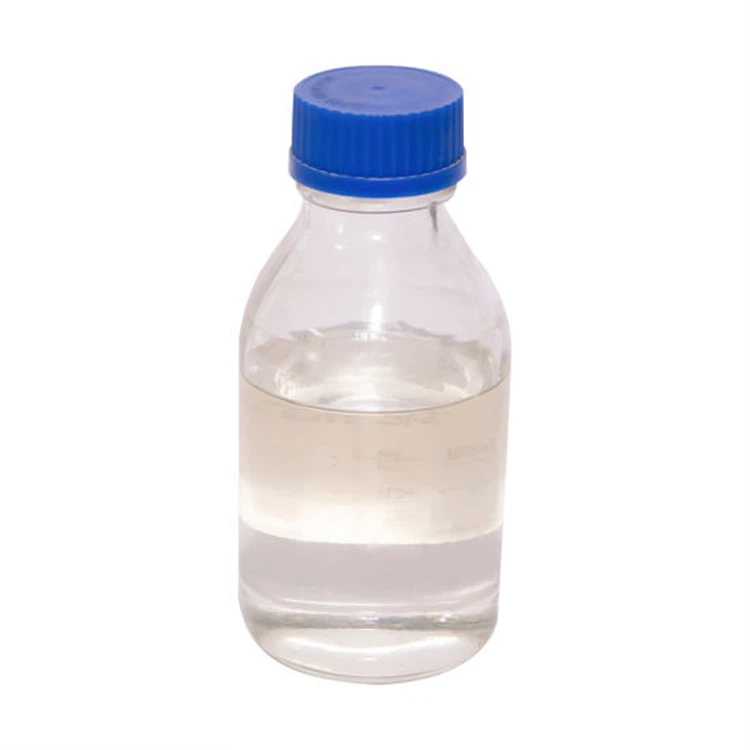
Description
1. Product Overview
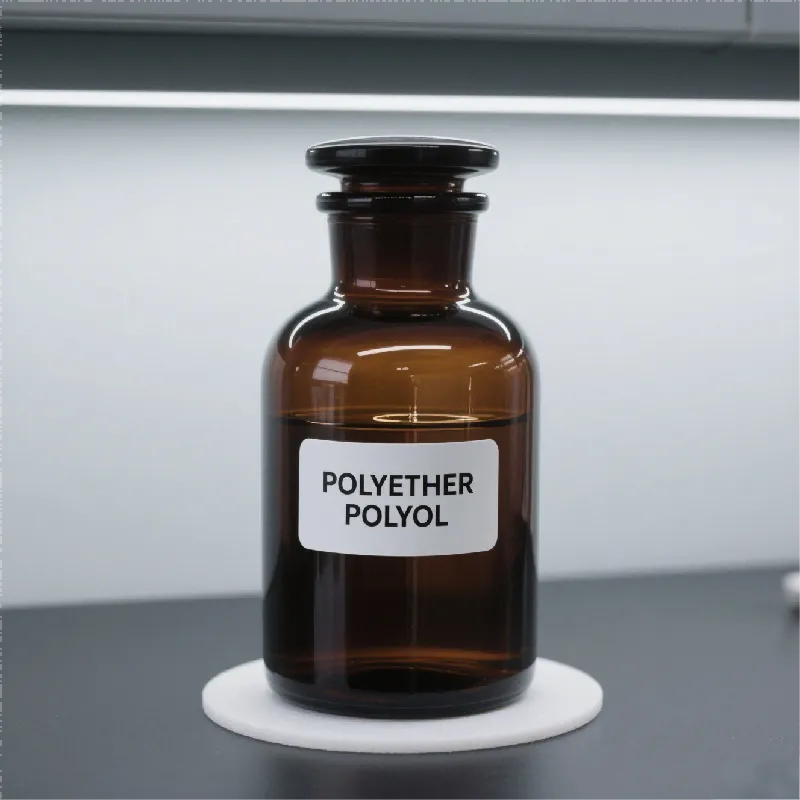
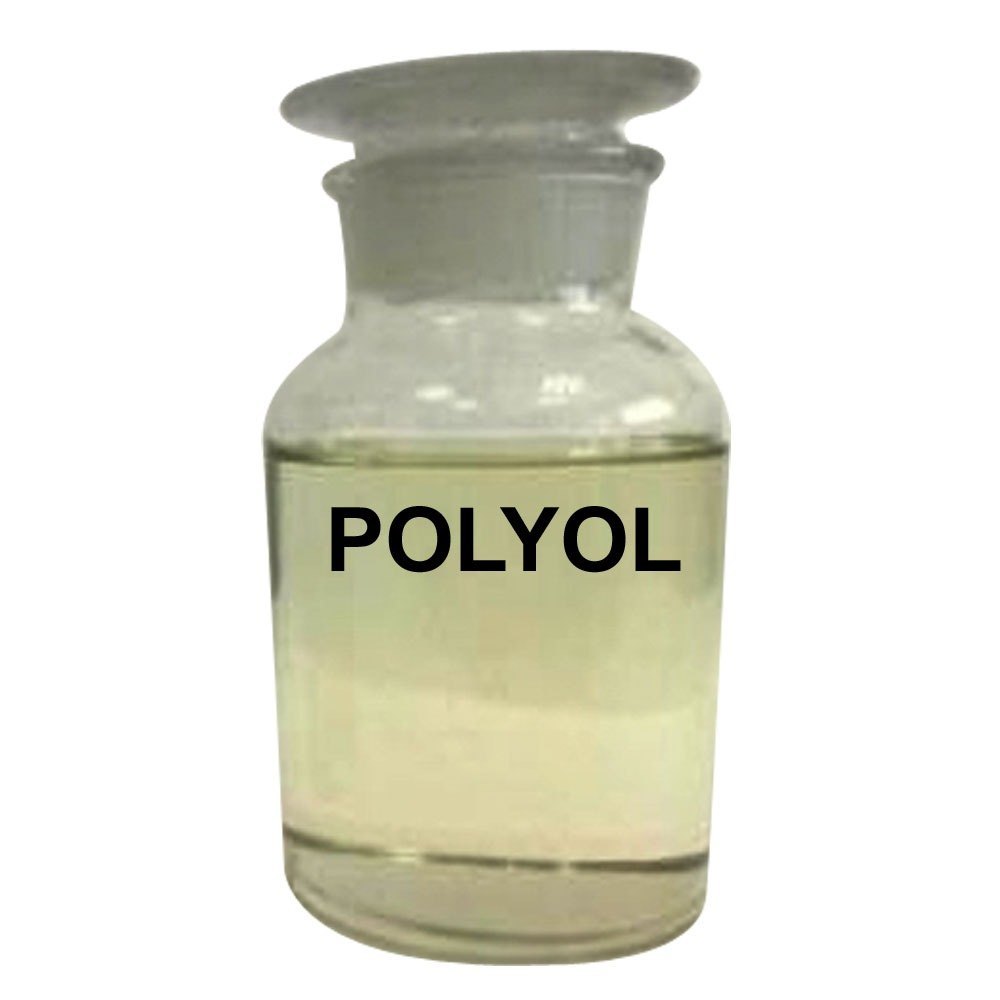
Polyether polyol is a high-performance organic oligomer, serving as the critical precursor in the production of polyurethanes (PU). Its primary industrial use lies in manufacturing flexible and rigid foams, CASE materials (Coatings, Adhesives, Sealants, Elastomers), and specialty insulation systems. The key value proposition is its ability to deliver precise control over hydroxyl functionality, viscosity, and molecular weight, enabling end-use performance tuning. Strategically, it is indispensable to global markets seeking lightweighting, energy efficiency, and durable polymer alternatives to traditional materials.
2. Key Specifications & Technical Characteristics
-
Chemical composition: Polyether polyol (polypropylene glycol [PPG]-based or copolymer with ethylene oxide [EO] capping)
-
Purity / Grade: Industrial grade / High-reactivity grade; Hydroxyl value range: 28–560 mg KOH/g (customizable)
-
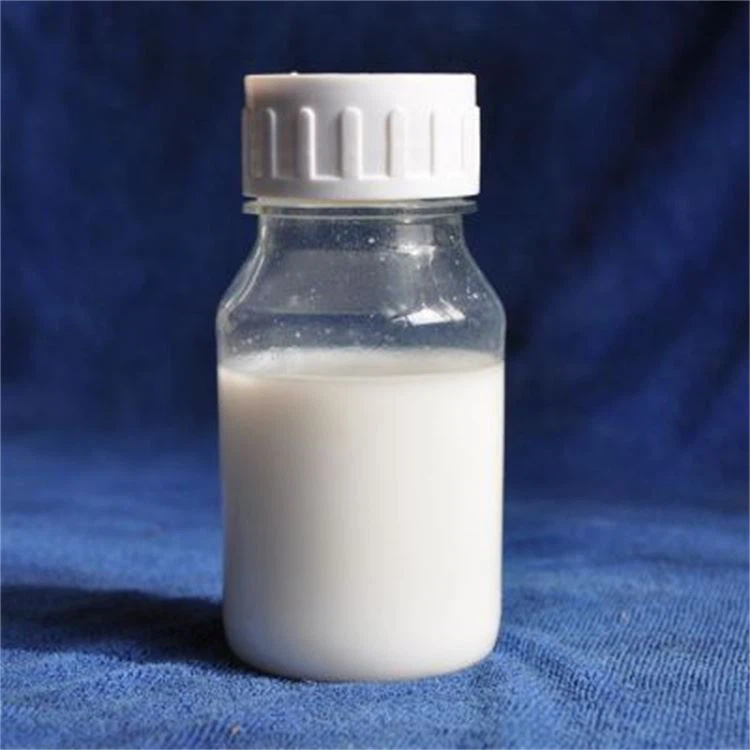
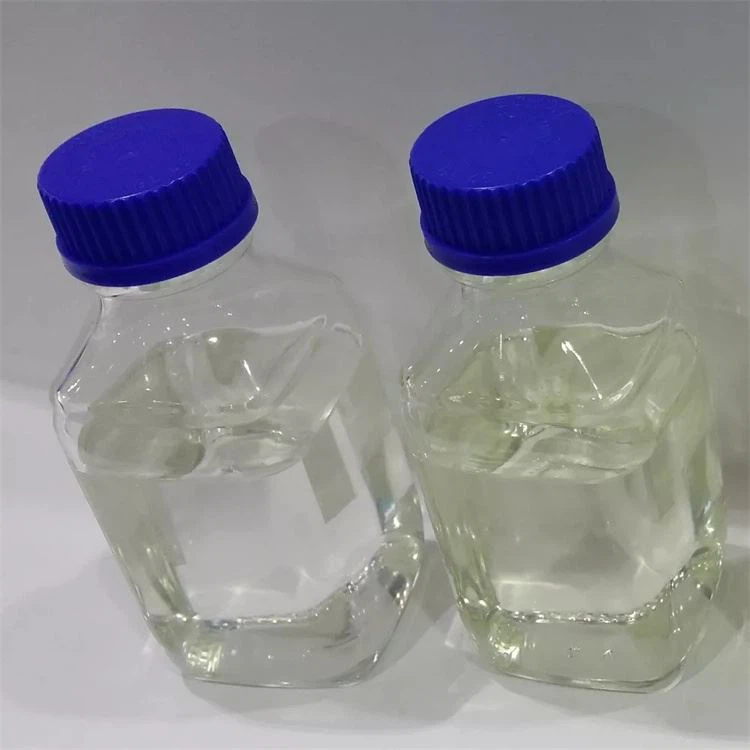
Physical characteristics: Clear to slightly hazy viscous liquid; color (APHA): ≤50; typical viscosity @25°C: 200–1,500 mPa·s; functionality: 2–8
-
Water content: ≤0.05% (dry basis, critical for urethane reaction control)
-
Packaging options: 200 kg new steel drums, 1,000 kg IBC totes, ISO tank containers, or bulk tanker trucks
-
Shelf life: 12 months in original sealed containers under dry, ambient conditions (15–35°C)
3. Core Industrial Applications
-
Flexible foam (furniture, bedding, automotive seating): Delivers superior resilience, load-bearing capacity, and low VOC emissions vs. conventional polyols.
-
Rigid foam (construction insulation, cold storage, refrigeration): Provides lower thermal conductivity (k-factor ≤0.022 W/m·K) and dimensional stability, outperforming polyester polyols in hydrolytic stability.
-
CASE (coatings, adhesives, sealants, elastomers): Enables high-solid, low-VOC formulations with faster cure times and enhanced abrasion resistance compared to solvent-borne alternatives.
-
Footwear and synthetic leather: Offers consistent processing viscosity and hydrolysis resistance, reducing scrap rates by up to 15% in high-volume molding lines.
4. Competitive Advantages
-
Quality consistency: ISO 9001:2025 certified batch-to-batch control; each certificate of analysis includes hydroxyl number, acid number, and water content with ±2% tolerance.
-
Supply reliability: Multi-plant production (Asia, Middle East) with 50,000 MT annual capacity; buffer stock held in Rotterdam, Houston, and Shanghai.
-
Logistics capability: Dedicated temperature-controlled supply chain; prevents moisture ingress and thermal degradation during sea freight.
-
Price competitiveness: Direct raw material integration (PO/PG back-to-back pricing) removes broker margins; index-linked or fixed quarterly pricing available.
-
Sustainability: Available bio-based content (up to 35% renewable carbon); low-monol grades reduce hazardous waste in foam processing.
-
Technical support: In-house application lab provides free formulation troubleshooting, rheology testing, and compatibility validation against isocyanates.
5. Commercial & Supply Information
-
Minimum order quantity (MOQ): 20 MT (one bulk container) or 80 drums (16 MT) for spot purchases
-
Bulk loading capacity: 20 MT net weight per 20-ft ISO tank container (standard); up to 23 MT for high-density grades (functionality >6)



Reviews
There are no reviews yet.