
Description
-
Product Overview
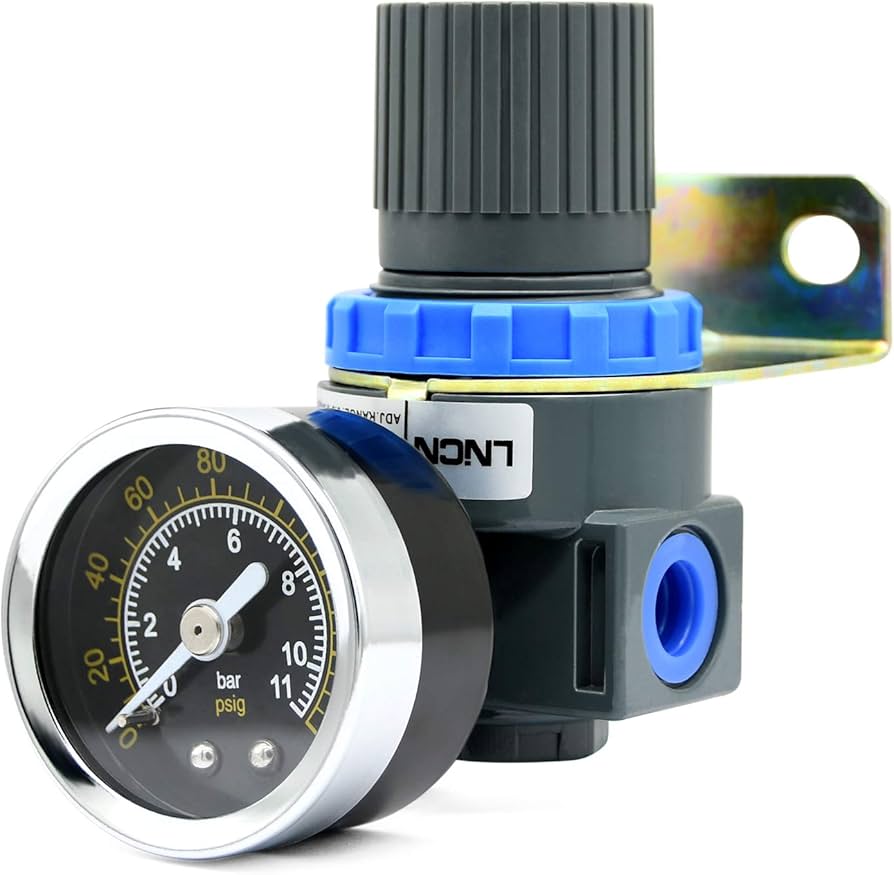
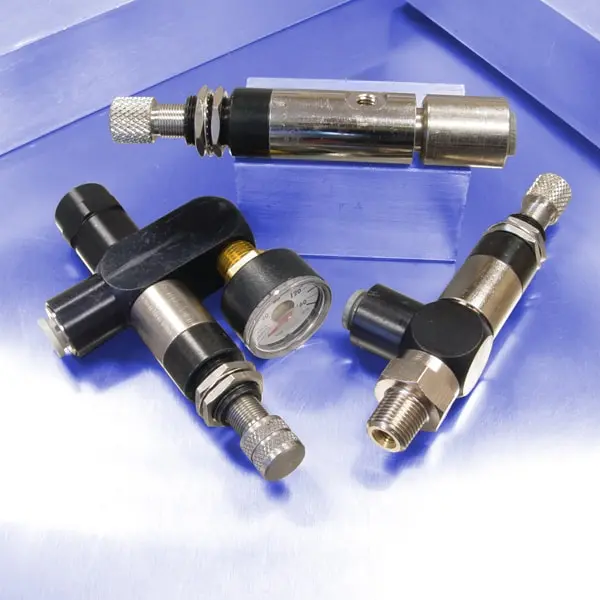
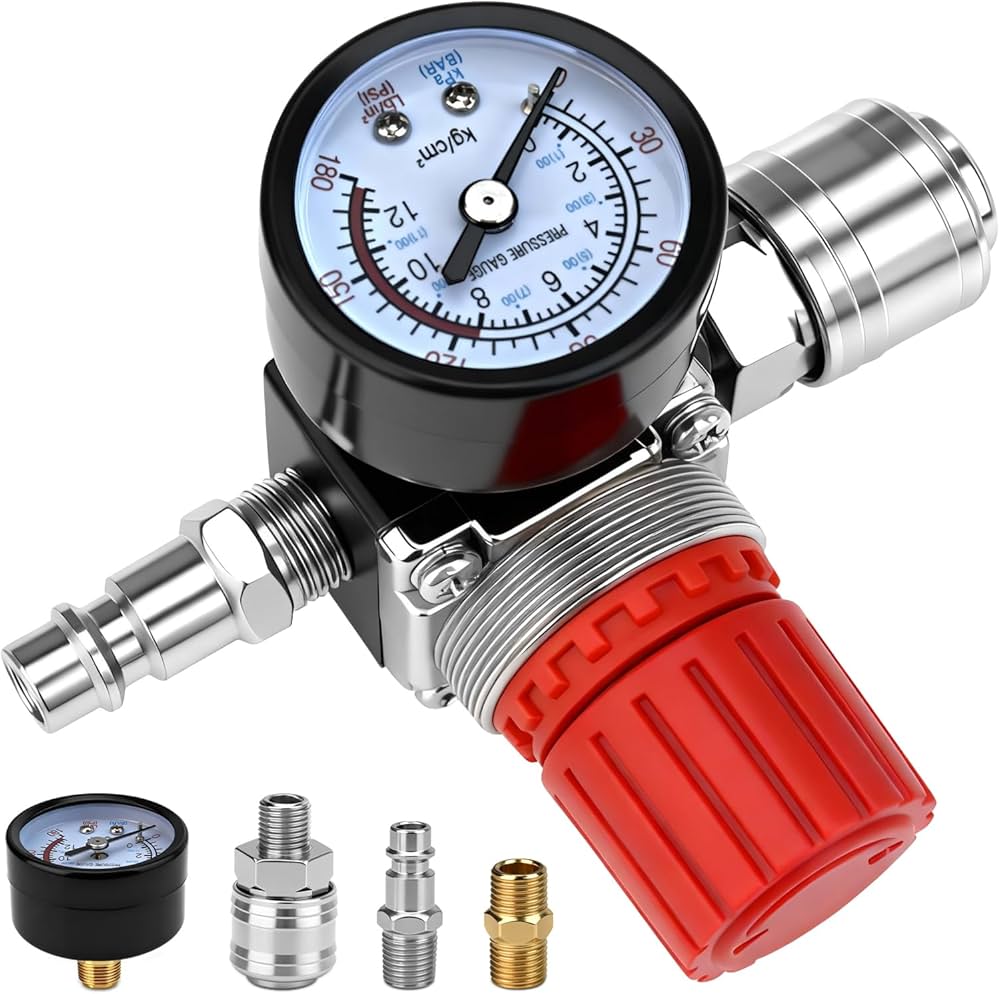
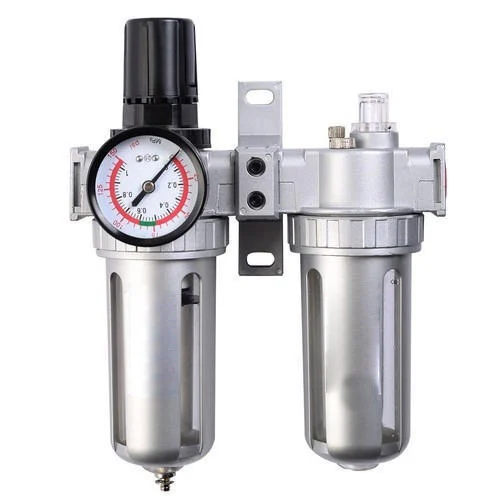
Pneumatic Regulator Pressure Control is an industrial-grade, mechanically actuated pressure regulator designed to deliver precise, stable downstream air pressure from compressed-air systems. It is primarily used to control and stabilize pneumatic supply lines for process instrumentation, actuator control, and safety systems across manufacturing, oil & gas, and utilities. The key value proposition is consistent pressure regulation with rapid response and low hysteresis, reducing downtime, improving process accuracy, and protecting downstream equipment. Strategically, it enables tighter process control, lowers maintenance costs, and supports operational reliability in large-scale industrial installations where compressed-air quality and pressure stability are mission-critical. -
Key Specifications & Technical Characteristics
-
Materials: Body—aluminum alloy (anodized) or stainless steel (316) option; internals—brass and stainless steel; seals—NBR (standard) or Viton (high-temperature/chemical-resistant) option.
-
Pressure range: Adjustable 0.5–10 bar (standard unit), optional low-pressure (0.05–1 bar) and high-pressure (0–16 bar) variants.
-
Accuracy & repeatability: ±1–3% of setpoint; low hysteresis design for precise control.
-
Flow capacity (Cv): Model-dependent; typical ranges 0.05–1.2 Cv for bench and panel units, up to 3.5 Cv for industrial inline variants.
-
Temperature range: Standard −20°C to +80°C; optional −40°C to +120°C for specialized seals.
-
Filtration recommendation: Upstream particle filter 40 µm or finer; integrated filter-compatible housings available.
-
Mounting & ports: BSP/NPT threaded ports, flange options for OEM systems; panel and inline mount configurations.
-
Physical characteristics: Compact modular design; weight varies by model (typically 0.5–6 kg); corrosion-resistant finishes for harsh environments.
-
Electrical options: Pneumatic-to-electrical position feedback (potentiometric or 4–20 mA transmitter) available as accessory.
-
Packaging options: Industrial crate for single units, reinforced cardboard cartons for multiples, palletized wooden crates for bulk orders; corrosion inhibitors and desiccant packs on request.
-
Shelf life / storage: Indefinite when stored dry and protected from UV; recommended storage 0–50°C, humidity <70%.
-
Core Industrial Applications
-
Primary industries: Oil & gas, chemical processing, power generation, food & beverage (plant air), automotive manufacturing, pharmaceuticals, mining, and water/wastewater treatment.
-
Specific operational use cases: Regulating actuator supply for valve positioning, controlling instrument line pressure for transmitters and flow meters, stabilizing pilot signals in control systems, and protecting downstream pneumatic equipment from pressure spikes.
-
Why it outperforms alternatives: Robust materials (aluminum/stainless options) and precision internals reduce drift and maintenance intervals versus low-cost consumer regulators. Low hysteresis and high repeatability improve process control fidelity and reduce reject rates in production. Modular upgradeability (seals, feedback options, and filtration) enables tailored performance for demanding environments.
-
Efficiency/durability/cost advantages: Lower lifecycle cost through extended service intervals and fewer unplanned shutdowns; improved pneumatic efficiency by minimizing bleed and maintaining optimal operating pressures; durable construction reduces replacement frequency in corrosive or high-cycle applications.
-
Competitive Advantages
-
Quality consistency: Manufactured to ISO-aligned quality systems with batch traceability for critical components and serial-numbered calibration records on request.
-
Supply reliability: Robust supply chain with regional inventory hubs and scheduled replenishment; expedited production runs for critical projects.
-
Logistics capability: Container-ready packaging, export documentation support (COO, packing list, commercial invoice), and options for FOB/CIF/DDP delivery terms.
-
Price competitiveness: Tiered pricing for volume contracts and long-term supply agreements; economies of scale for OEM and project customers.
-
Sustainability: Material choices and packaging optimized to reduce waste; offer of recyclable packaging materials and long service life to lower total environmental footprint.
-
Technical support & documentation: Detailed datasheets, installation and maintenance manuals, calibration certificates, and engineering support (application sizing, troubleshooting, and start-up assistance). Field service and training available for large installations.
-
Commercial & Supply Information
-
Minimum order quantity (MOQ): BULK 20MT
-
Loading capacity (MT per container): Standard 20-foot container: up to 20 MT (depending on packaging density and unit dimensions); 40-foot container: up to 26–28 MT. Exact loading depends on selected packaging configuration and unit model; confirm at order placement.
Reviews
There are no reviews yet.