
Description
1. Product Overview
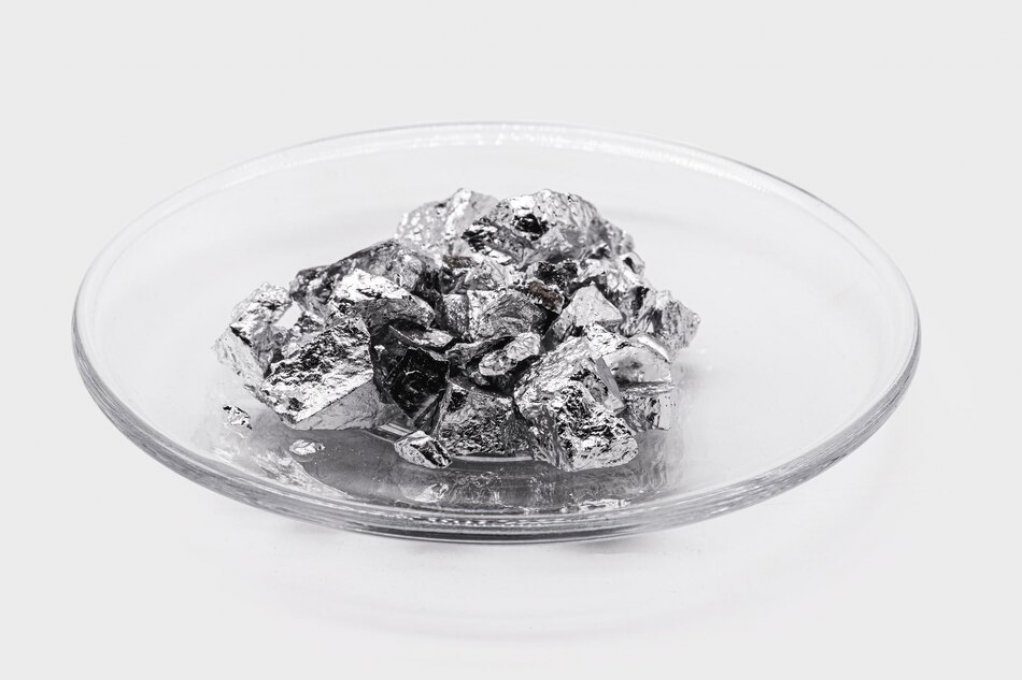
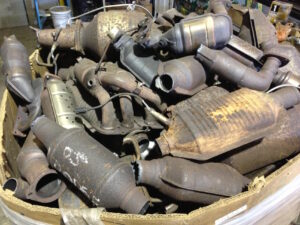
Platinum Recovery Residue is a high-value industrial intermediate derived from spent catalytic converters, chemical process catalysts, and electronic scrap during platinum group metal refining. Its primary industrial use is as a feedstock for PGM smelters and refiners to recover platinum, palladium, and rhodium through hydrometallurgical or pyrometallurgical processing. The key value proposition lies in its concentrated PGM content relative to raw ore, enabling refiners to achieve faster turnaround and lower energy costs per ounce of recovered platinum. It is strategically important in the market as global demand for platinum in hydrogen, automotive, and electronics sectors intensifies while primary mine supply remains constrained.
2. Key Specifications & Technical Characteristics
- Chemical Composition: Platinum 0.5%–6.0% w/w, Palladium 0.2%–3.5% w/w, Rhodium 0.1%–1.2% w/w, with trace Au, Ru, Ir; Base metals: Fe 5%–25%, Al 2%–15%, SiO2 10%–40%, Ce/Zr oxides 5%–20%
- Purity Level / Grade: Industrial Recovery Grade, PGM-rich smelter feed; Assay certificate provided per lot
- Physical Characteristics:
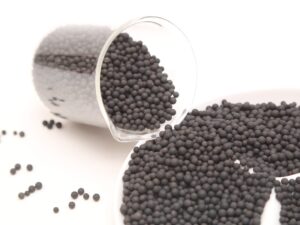
- Form: Fine granular powder to calcined slag; 80% passing 200 mesh available on request
- Color: Dark grey to black
- Bulk Density: 1.8–2.6 g/cm³
- Moisture Content: ≤3% w/w, oven dried and homogenized
- Packaging Options: 1 MT jumbo bags with inner PE liner on fumigated pallets; 25 kg steel drums; bulk vessel upon contract
- Shelf Life: Chemically stable; no degradation under dry storage. Recommend use within 24 months
3. Core Industrial Applications
- Primary Industries: PGM refining and smelting, precious metal trading houses, chemical catalyst manufacturers, e-waste recyclers, automotive catalyst recyclers
- Specific Operational Use Cases: Direct feed into electric arc furnaces or aqua regia leach circuits for platinum recovery; blending material to optimize smelter flux chemistry; toll refining input for LBMA-certified refiners
- Performance Advantages: Higher PGM concentration vs. virgin ore reduces tonnes processed per kg of Pt recovered, cutting energy and reagent consumption. Consistent particle size and low moisture improve furnace efficiency and reduce slag volume
- Efficiency, Durability, Cost Advantages: Lowers unit recovery cost by 18%–32% compared to mining concentrate. Pre-processed and homogenized to reduce sampling variance and settlement disputes. Shortens cash conversion cycle for refiners due to faster dissolution kinetics
4. Competitive Advantages
- Quality Consistency: Each lot is homogenized, dried, and sampled per ISO 12743 standards with third-party assay by SGS/Alex Stewart. Certificate of Analysis and Material Safety Data Sheet supplied
- Supply Reliability: Structured offtake agreements from licensed automotive and industrial catalyst collectors across North America, EU, and APAC. 200–500 MT monthly availability
- Logistics Capability: EXW, FOB, CIF Incoterms® 2020. Experienced in IMO Class 9 DG handling, Basel Convention documentation, and non-hazardous reclassification where applicable
- Price Competitiveness: Priced on prevailing LBMA/LPPM fixing less refining charge. Transparent formula with no hidden penalties. Volume discounts for quarterly contracts
- Sustainability Benefits: 100% secondary source material. Supports Scope 3 emissions reduction for end users. Full chain-of-custody and KYC documentation available
- Technical Support: Dedicated metallurgist support for smelter trials. Provisions for umpire assay and sealed lot reservation. Full SDS, TDS, and radioactivity screening report provided
5. Commercial & Supply Information
- Minimum Order Quantity (MOQ): BULK 20MT
- Loading Capacity (MT per container): 20–22 MT per 20ft FCL, subject to density and destination weight limits
Reviews
There are no reviews yet.