
Description
1. Product Overview
PEG Based Antistatic Finishing Agent (Textile Grade) is a high-performance polyethylene glycol (PEG)-derived formulation designed to impart durable antistatic properties to synthetic and blended textiles. It is widely used in textile finishing operations to reduce static charge buildup, improve fabric handling, and enhance end-product comfort and safety during processing and end use.
This product delivers consistent and long-lasting antistatic performance without compromising fabric feel, breathability, or dye compatibility. It plays a strategically important role in modern textile manufacturing by improving production efficiency, reducing machine fouling, and minimizing electrostatic-related defects in high-speed processing environments. Its cost-effective formulation and compatibility with a wide range of fiber systems make it a preferred choice for industrial-scale textile finishing operations.
2. Key Specifications & Technical Characteristics
- Chemical Composition: Polyethylene Glycol (PEG)-based nonionic antistatic active compounds with proprietary surfactant blend
- Active Content: Typically 20–60% (adjustable grade depending on application requirements)
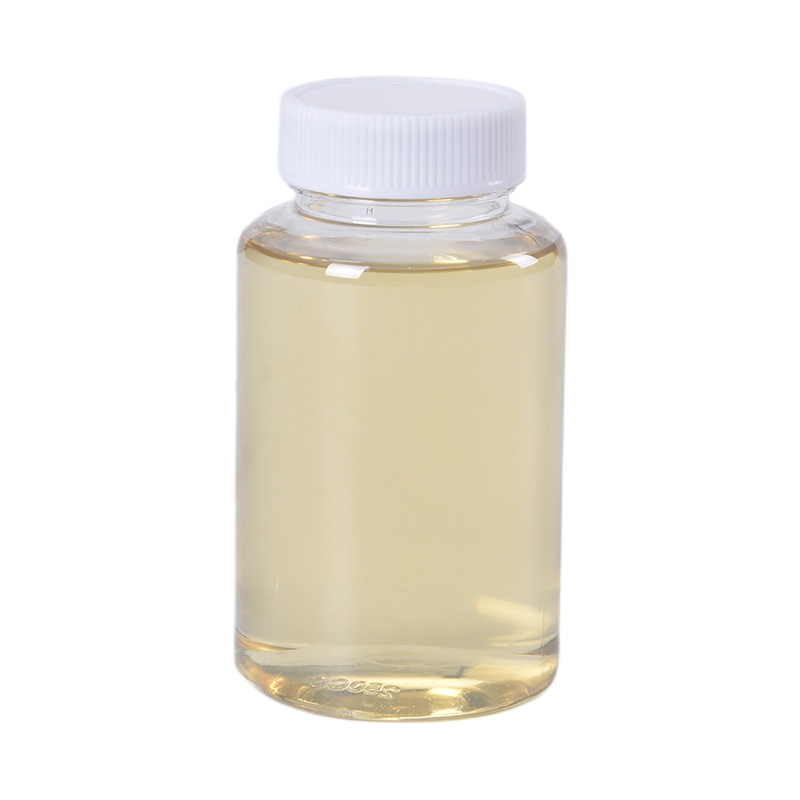
- Appearance: Clear to slightly hazy liquid
- Color: Colorless to pale yellow
- pH (1% solution): 5.0 – 7.5
- Solubility: Fully soluble in water
- Density: ~1.02 – 1.10 g/cm³ at 25°C
- Ionic Nature: Nonionic
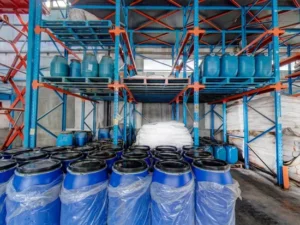
- Packaging Options: 50 kg HDPE drums, 120 kg barrels, 1000 kg IBC tanks, bulk tanker supply
- Shelf Life: 12–18 months under recommended storage conditions (cool, dry, sealed containers)
3. Core Industrial Applications
This antistatic finishing agent is primarily used in the textile and apparel manufacturing industry, particularly in synthetic fiber processing. It is applied during finishing, padding, or exhaust processes to control static electricity buildup in fabrics such as polyester, nylon, acrylic, and blended textiles.
Key use cases include high-speed weaving and knitting operations where static charge can cause yarn breakage, machine stoppages, and fabric defects. It is also used in apparel, home textiles, technical textiles, and industrial fabrics to improve softness, reduce dust attraction, and enhance wear comfort. Compared to conventional antistatic agents, PEG-based systems provide superior compatibility, lower yellowing risk, and improved wash durability, making them more efficient and reliable in continuous production environments.
4. Competitive Advantages
- High Performance Consistency: Uniform antistatic effect across different textile substrates and processing conditions
- Supply Reliability: Scalable production capacity suitable for continuous industrial demand
- Operational Efficiency: Reduces machine downtime caused by static-related yarn breaks and fabric sticking
- Cost Competitiveness: Optimized dosage requirements lower overall finishing cost per meter of fabric
- Environmental Profile: Low VOC formulation with improved biodegradability compared to traditional cationic agents
- Technical Support: Full documentation, application guidance, and formulation assistance available for industrial clients
- Process Compatibility: Works effectively with dyeing, softening, and finishing systems without adverse interactions
5. Commercial & Supply Information
- Minimum Order Quantity (MOQ): 1,000 kg (1 MT)
- Bulk Supply Capacity: Up to 20 MT per shipment
- Loading Capacity:
- 20 ft container: ~16–20 MT
- 40 ft container: ~20–25 MT (depending on packaging type)
- Delivery Format: Drums, IBC tanks, or flexitank bulk supply options available
- Supply Terms: Industrial bulk export supply with consistent batch-to-batch quality control
Reviews
There are no reviews yet.