

Description
1. Product Overview
Oleic Acid (CAS 112-80-1) is a high-value monounsaturated fatty acid widely used as a versatile industrial raw material derived from natural oils and fats. It serves as a key ingredient in the production of surfactants, lubricants, emulsifiers, personal care formulations, pharmaceuticals, and specialty chemicals. With excellent chemical stability, biodegradability, and functional performance, Oleic Acid provides manufacturers with a reliable solution for improving product quality and process efficiency. Its broad industrial applicability and renewable sourcing profile make it a strategically important ingredient in global chemical and consumer product supply chains.
2. Key Specifications & Technical Characteristics
- Chemical Composition:
- Primary component: Oleic Acid (cis-9-octadecenoic acid)
- Molecular Formula: C₁₈H₃₄O₂
- CAS Number: 112-80-1
- Fatty acid content: Typically ≥90% depending on grade
- Purity Level / Grade:
- Industrial Grade
- Cosmetic Grade
- Pharmaceutical Grade (where applicable)
- High-purity grades available for specialized applications
- Physical Characteristics:
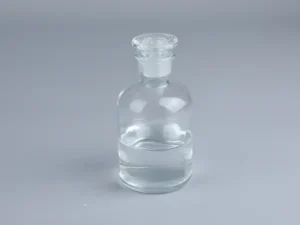
- Appearance: Clear to pale yellow oily liquid
- Odor: Mild fatty odor
- Form: Liquid at ambient temperature
- Melting Point: Approximately 13–14°C
- Boiling Point: Approximately 360°C
- Density: Approximately 0.89–0.90 g/cm³ at 20°C
- Solubility: Insoluble in water; soluble in alcohols and organic solvents
- Packaging Options:
- 180–200 kg HDPE drums
- 1,000 kg IBC tanks
- Flexitanks for bulk transportation
- ISO tanks for large-volume industrial supply
- Shelf Life:
- Typically 12–24 months when stored in sealed containers under recommended conditions
- Storage Conditions:
- Store in a cool, dry, well-ventilated area
- Protect from excessive heat, moisture, and oxidation exposure
3. Core Industrial Applications
- Personal Care & Cosmetics Industry:
- Used as an emollient, skin-conditioning agent, and formulation stabilizer in creams, lotions, soaps, and hair care products.
- Chemical Manufacturing:
- Serves as a feedstock for producing oleates, surfactants, emulsifiers, esters, and specialty chemical intermediates.
- Lubricants & Metalworking Fluids:
- Used in biodegradable lubricants, corrosion inhibitors, and high-performance industrial formulations due to its lubricity and thermal stability.
- Pharmaceutical Industry:
- Applied as an excipient and formulation aid in selected pharmaceutical and nutraceutical products.
- Food & Nutraceutical Applications:
- Utilized in approved food-related applications as a fatty acid component and processing ingredient.
- Agricultural Chemicals:
- Used in adjuvants, pesticide formulations, and agricultural surfactant systems to improve spreading and effectiveness.
Performance Advantages:
- Provides excellent lubricity and surface activity compared with many synthetic alternatives.
- Offers strong compatibility with natural and renewable formulations.
- Delivers cost-effective functionality across multiple industrial sectors.
- Supports the development of biodegradable and environmentally preferable products.
4. Competitive Advantages
- Consistent Quality Performance:
Manufactured under controlled processes to ensure stable fatty acid composition, purity, and application reliability. - Reliable Global Supply Capability:
Supported by scalable production networks and international distribution channels for continuous industrial demand fulfillment. - Flexible Logistics Solutions:
Available in drums, IBCs, flexitanks, and bulk shipment formats to meet diverse customer requirements. - Cost Competitiveness:
Provides an economical renewable feedstock option compared with many specialty synthetic fatty acid alternatives. - Sustainability Benefits:
Derived from renewable oil-based sources and supports manufacturers seeking bio-based and environmentally responsible ingredients. - Technical Documentation Support:
Available with Certificate of Analysis (COA), Safety Data Sheet (SDS), technical specifications, and quality compliance documentation.
5. Commercial & Supply Information
- Minimum Order Quantity (MOQ): BULK 20 MT
- Loading Capacity:
- Approximately 20 MT per 20-foot container (bulk liquid shipment dependent on packaging configuration)
- Flexitank capacity: Approximately 20–24 MT per container
- ISO tank shipments available for larger-volume requirements

Reviews
There are no reviews yet.