
Description
1. Product Overview
Monoethylene Glycol (MEG) Heat Transfer Fluid, CAS 107-21-1, is a high-performance industrial-grade glycol widely used for efficient thermal energy transfer and antifreeze systems across multiple sectors. It is engineered to deliver stable heat transfer performance in closed-loop systems, making it essential for HVAC, chemical processing, oil & gas, and industrial refrigeration applications.
Its key value lies in its exceptional thermal stability, low freezing point, and reliable viscosity profile, ensuring uninterrupted system efficiency under extreme operating conditions. MEG is strategically important in global energy management and process industries due to its role in improving system uptime, energy efficiency, and operational safety. It remains a foundational commodity in large-scale thermal regulation infrastructure worldwide.
2. Key Specifications & Technical Characteristics
- Chemical Composition: Monoethylene Glycol (C₂H₆O₂)
- CAS Number: 107-21-1
- Purity Grade: Industrial / Technical Grade (≥ 99% typical)
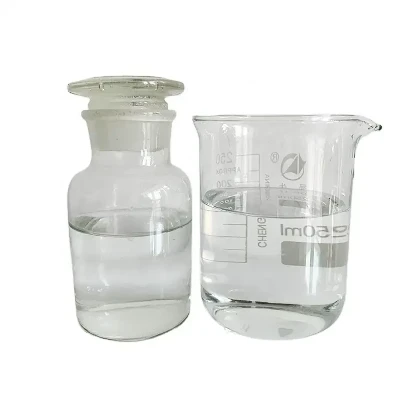
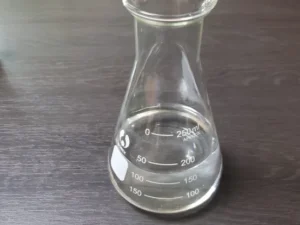
- Appearance: Clear, colorless, odorless liquid
- Density: ~1.113–1.115 g/cm³ at 20°C
- Boiling Point: ~197°C
- Freezing Point: ~-12.9°C (neat form)
- Solubility: Fully miscible with water
- Packaging Options:
- 220 kg steel drums
- IBC tanks (1000 L)
- Bulk ISO tank / flexitank shipments
- Shelf Life: 24–36 months under sealed, dry storage conditions
3. Core Industrial Applications
Monoethylene Glycol is extensively used in industrial heat transfer and antifreeze systems where temperature stability is critical.
- HVAC & District Cooling Systems: Used in chilled water loops and large-scale air conditioning systems to enhance thermal efficiency and prevent freezing.
- Chemical Processing Plants: Acts as a reliable heat transfer medium in reactors, condensers, and heat exchangers.
- Oil & Gas Industry: Supports pipeline temperature control and dehydration processes.
- Industrial Refrigeration: Ensures stable low-temperature operation in cold storage and food processing facilities.
- Power Generation: Used in auxiliary cooling systems to maintain equipment integrity and operational continuity.
Its superior thermal conductivity and freeze protection capabilities make it more efficient and reliable than many alternative glycol-based fluids in demanding industrial environments.
4. Competitive Advantages
- High Purity Consistency: Ensures predictable thermal performance and minimizes system contamination risks.
- Reliable Global Supply Chain: Stable sourcing enables uninterrupted bulk procurement for industrial operations.
- Efficient Thermal Stability: Maintains performance across wide operating temperature ranges.
- Cost-Effective Lifecycle Performance: Reduces maintenance downtime and system replacement costs.
- Logistics Flexibility: Available in drum, IBC, and bulk shipping formats for scalable procurement.
- Environmental & Safety Compliance: Compatible with modern industrial safety and handling standards when used appropriately in closed systems.
- Technical Documentation Support: Full COA, MSDS, and quality traceability available for industrial compliance needs.
5. Commercial & Supply Information
- Minimum Order Quantity (MOQ): Bulk 20 MT
- Standard Supply Unit: Drums / IBC / Bulk shipments
- Loading Capacity:
- Approx. 20–22 MT per 20’ FCL (depending on packaging type)
- Up to ~24–25 MT per ISO tank (product density dependent)
Reviews
There are no reviews yet.