
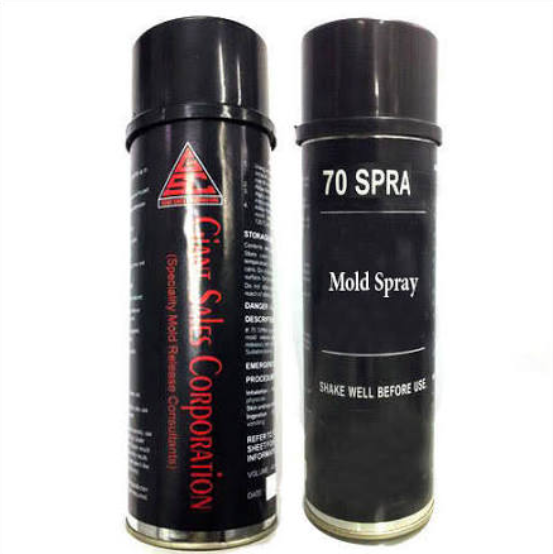
Description
1. Product Overview
Mold Inhibitor Feed Spray is a specialized feed preservation additive formulated to control mold growth and reduce fungal contamination in animal feed and agricultural feed materials. Designed for use in feed mills, livestock operations, and grain storage systems, it helps maintain feed quality, nutritional integrity, and animal health performance. By extending shelf life and minimizing spoilage losses, this product provides a cost-effective solution for improving feed safety and operational efficiency. Its role in modern feed management makes it a strategic component for reliable, high-quality animal nutrition supply chains.
2. Key Specifications & Technical Characteristics
- Chemical Composition / Material Components:
- Organic acid-based mold inhibition system (commonly containing propionic acid, acetic acid, sorbic acid, or buffered organic acid blends)
- Functional preservatives designed to suppress mold and fungal growth in feed materials
- May include carriers, emulsifiers, and stabilizing agents for improved dispersion
- Purity Level / Grade:
- Feed-grade quality compliant with international animal nutrition standards
- Manufactured under controlled quality systems suitable for livestock feed applications
- Physical Characteristics:
- Form: Liquid spray solution or concentrated formulation
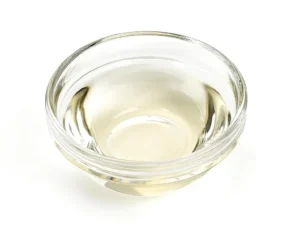
- Appearance: Clear to slightly colored liquid
- Odor: Mild acidic characteristic odor
- Solubility: Easily dispersible in water or feed application systems
- Density: Typically 1.0–1.2 g/cm³ (depending on formulation)
- Packaging Options:
- 25 kg HDPE drums
- 200 kg plastic drums
- 1,000 kg IBC containers
- Bulk tanker supply available for large-scale feed manufacturers
- Shelf Life:
- Typically 12–24 months when stored in sealed containers under recommended conditions
3. Core Industrial Applications
- Animal Feed Manufacturing:
- Applied during feed processing to inhibit mold development in compound feeds, pellets, and raw materials.
- Livestock Production:
- Used in poultry, swine, cattle, aquaculture, and other animal nutrition programs to maintain feed freshness and safety.
- Grain & Raw Material Storage:
- Helps protect corn, wheat, soybean meal, and other feed ingredients from fungal deterioration during storage and transportation.
- Feed Mill Operations:
- Supports consistent feed quality by reducing contamination risks, improving storage stability, and minimizing economic losses caused by spoilage.
- Performance Advantages:
- Provides rapid mold control compared with untreated feed storage methods.
- Improves feed preservation efficiency and reduces waste-related costs.
- Supports safer feed handling and improved production reliability.
4. Competitive Advantages
- Quality Consistency:
- Produced with controlled formulation standards to deliver reliable mold inhibition performance across different feed applications.
- Supply Reliability:
- Stable production capacity with scalable supply solutions for feed manufacturers, distributors, and agricultural enterprises worldwide.
- Logistics Capability:
- Available in multiple packaging formats suitable for regional distribution and international bulk shipments.
- Price Competitiveness:
- Provides an economical alternative to feed losses caused by mold contamination, reducing overall production costs.
- Sustainability & Environmental Benefits:
- Helps reduce feed waste and resource losses by extending usable storage periods and improving material efficiency.
- Technical Support & Documentation:
- Available with product specifications, safety documentation, application guidance, and quality certificates to support industrial procurement requirements.
5. Commercial & Supply Information
- Minimum Order Quantity (MOQ): BULK 20 MT
- Loading Capacity: Approximately 20–22 MT per 20-foot container (depending on packaging configuration)


Reviews
There are no reviews yet.