
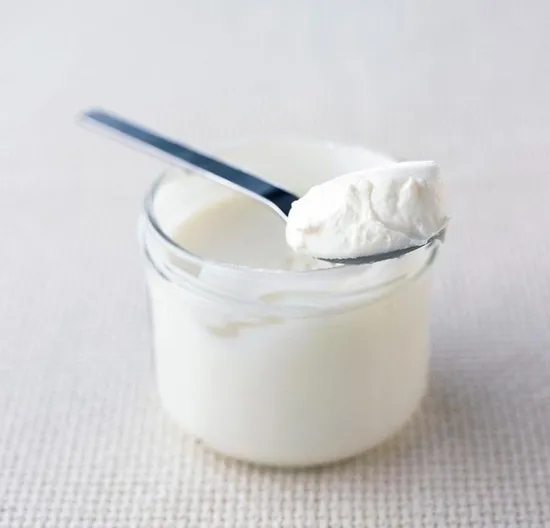
Description
-
Product Overview
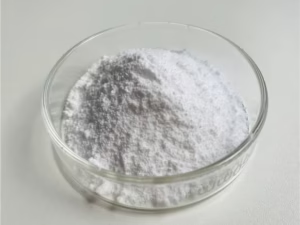
Modified starch (E1400–E1450) is a range of chemically and physically modified food- and industrial-grade starches engineered to deliver tailored rheology, stabilization, adhesion, and film-forming properties. Primarily used as thickeners, binders, emulsifiers, stabilizers, and surface modifiers across food processing, paper & board, adhesives, textiles, pharmaceuticals, and construction formulations, these grades provide controlled viscosity, shear-thinning behavior, and improved temperature and shear stability compared with native starch. The key value proposition is predictable functional performance at scale—allowing formulators to reduce ingredient load, improve process yields, and extend product shelf life while simplifying production control. Strategically, these modified starches de-risk supply chains for manufacturers who require consistent lot-to-lot performance and regulatory-compliant inputs across global production sites. -
Key Specifications & Technical Characteristics
-
Product family: Modified starch grades E1400–E1450 (including hydroxypropyl, acetylated, oxidized, cationic, cross-linked, and phosphate derivatives).
-
Chemical composition: Native starch backbone (maize, potato, tapioca, or wheat) chemically modified via esterification, etherification, oxidation, cross-linking, or cationization; specific functional groups specified per grade.
-
Purity/grade: Industrial/food-grade options; compliance options include food-contact (where applicable), FCC/BP/EP specifications on request. Typical purity (dry basis): ≥ 98% total starch content; residual moisture and ash reported per certificate.
-
Physical form: Powder or granular flake; flow-enhanced, dust-reduced granules available.
-
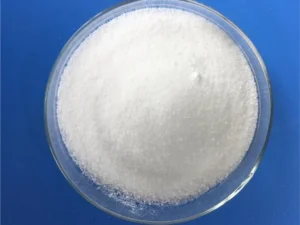
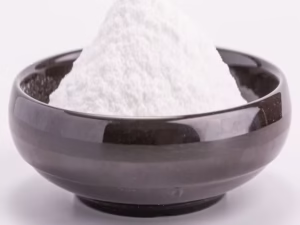
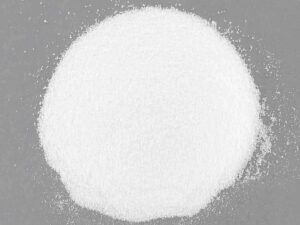
Color: Off-white to cream, grade-dependent.
-
Particle size: Standard 50–300 µm (custom sieving available).
-
Bulk density: Typical 0.45–0.65 g/cm³ (packed density varies by grade/packaging).
-
Moisture content: Typical 8–14% (adjustable for specific storage/transport requirements).
-
Viscosity profile: Specified Brookfield or RVA viscosity curves provided per lot; options for high-viscosity, low-viscosity, and instant-dispersing grades.
-
Functional parameters: Gel temperature range, clarity/turbidity, freeze–thaw stability, shear stability, retrogradation index—each specified on technical datasheet.
-
Packaging options: 25 kg multi-wall paper bags with PE liner, valve bags, 500–1,000 kg FIBCs (bulk bags), or bulk pneumatic tanker loading for slurries (where applicable).
-
Shelf life: 12–24 months under recommended storage (cool, dry, <65% RH); lot-specific expiry on certificates.
-
Documentation: Certificate of Analysis (CoA), Safety Data Sheet (SDS), regulatory declarations (food-grade allergen statements, GMO status), and technical datasheets included with shipment.
-
Core Industrial Applications
-
Food & Beverage: Thickening, stabilizing, and texturizing sauces, soups, dressings, dairy desserts, and ready meals; provides consistent mouthfeel and improves yield while resisting high-shear processing and thermal cycles.
-
Paper & Board: Coating binders and surface sizing to improve printability, ink holdout, and runnability; offers cost-effective replacement or partial substitution for synthetic binders while enhancing retention.
-
Adhesives & Corrugating: Base for starch-based adhesives in corrugating and carton production; delivers controlled viscosity, strong bonding, rapid set, and improved open time versus native starch.
-
Textile & Nonwovens: Sizing and binder applications to improve tensile strength and process handling; washes out cleanly where required.
-
Pharmaceuticals & Personal Care: Tablet binders, film-formers, and excipient carriers where regulatory-compliant grades are required; enables controlled release and improved compressibility.
-
Construction & Paints: Rheology modifiers, thickeners, and film-formers in mortars, tile adhesives, plasters, and water-based paints for improved sag resistance, workability, and substrate adhesion.
Why it performs better: Modified starches deliver engineered functional traits (thermal/shear stability, freeze–thaw resistance, tailored viscosity curves) that native starch cannot provide, enabling lower use rates, reduced rework, and consistent performance under industrial processing conditions. The combination of predictable behavior and regulatory traceability minimizes formulation risk and total cost of ownership.
-
Competitive Advantages
-
Quality consistency: Tight in-house QC with lot-to-lot CoA reporting of viscosity, moisture, ash, and functional indices.
-
Supply reliability: Multi-sourced starch base with contracted raw-material supply and buffer inventories to support continuous industrial production.
-
Logistics capability: Flexible packaging (25 kg bags to 20 MT bulk), containerized and bulk shipment expertise, and regional distribution hubs to shorten lead times.
-
Price competitiveness: Economies of scale from bulk manufacturing and co-development options to optimize cost-in-use for large-volume buyers.
-
Sustainability benefits: Options for starches from sustainably sourced feedstocks, low-carbon processing routes, and reduced dependency on petrochemical binders; recyclable packaging available on request.
-
Technical support: Application labs, formulation support, rheology profiling, on-site trials coordination, and full documentation (CoA, SDS, regulatory letters) to accelerate qualification cycles.
-
Commercial & Supply Information
-
Minimum order quantity (MOQ): BULK 20 MT.
-
Loading capacity (MT per container): 20-foot container: up to 20 MT in FIBCs or 25 kg bag configuration depending on packing; 40-foot HC container: up to 24–25 MT based on packing and weight limits.
-
Lead time: Standard lead time 4–8 weeks depending on grade and order size (expedited options available).
-
Incoterms and delivery: FOB, CIF, or DAP available; warehousing and JIT arrangements negotiable.
-
Payment terms: Negotiable—typical commercial terms include LC, TT, or open account for approved buyers.
Reviews
There are no reviews yet.