


Description
1. Product Overview
Methanol industrial grade is a colorless, polar organic liquid derived from natural gas or coal gasification, meeting ASTM D1152 or equivalent international standards. It is primarily used as a chemical intermediate in the production of formaldehyde, acetic acid, MTBE, and DME, as well as a solvent and antifreeze agent in industrial processes. The core value proposition is its high purity (>99.85%) and low impurity profile (water <0.10%, ethanol <0.005%), which maximizes catalytic efficiency and minimizes downstream waste. Strategically, it serves as a price-competitive, fungible commodity that enables buyers to hedge against regional supply disruptions in petrochemical and energy markets.
2. Key Specifications & Technical Characteristics
-
Chemical composition: Methanol (CH₃OH) ≥99.85%; water ≤0.10%; ethanol ≤0.005%; acetone ≤0.003%; acidity (as acetic acid) ≤0.003%
-
Purity grade: Industrial Grade – compliant with ASTM D1152, EN 15376 (fuel blending), and GB 338-2011
-
Physical characteristics: Clear, colorless liquid; density 0.791–0.793 g/cm³ at 20°C; boiling point 64.7°C; flash point 12°C (closed cup)
-
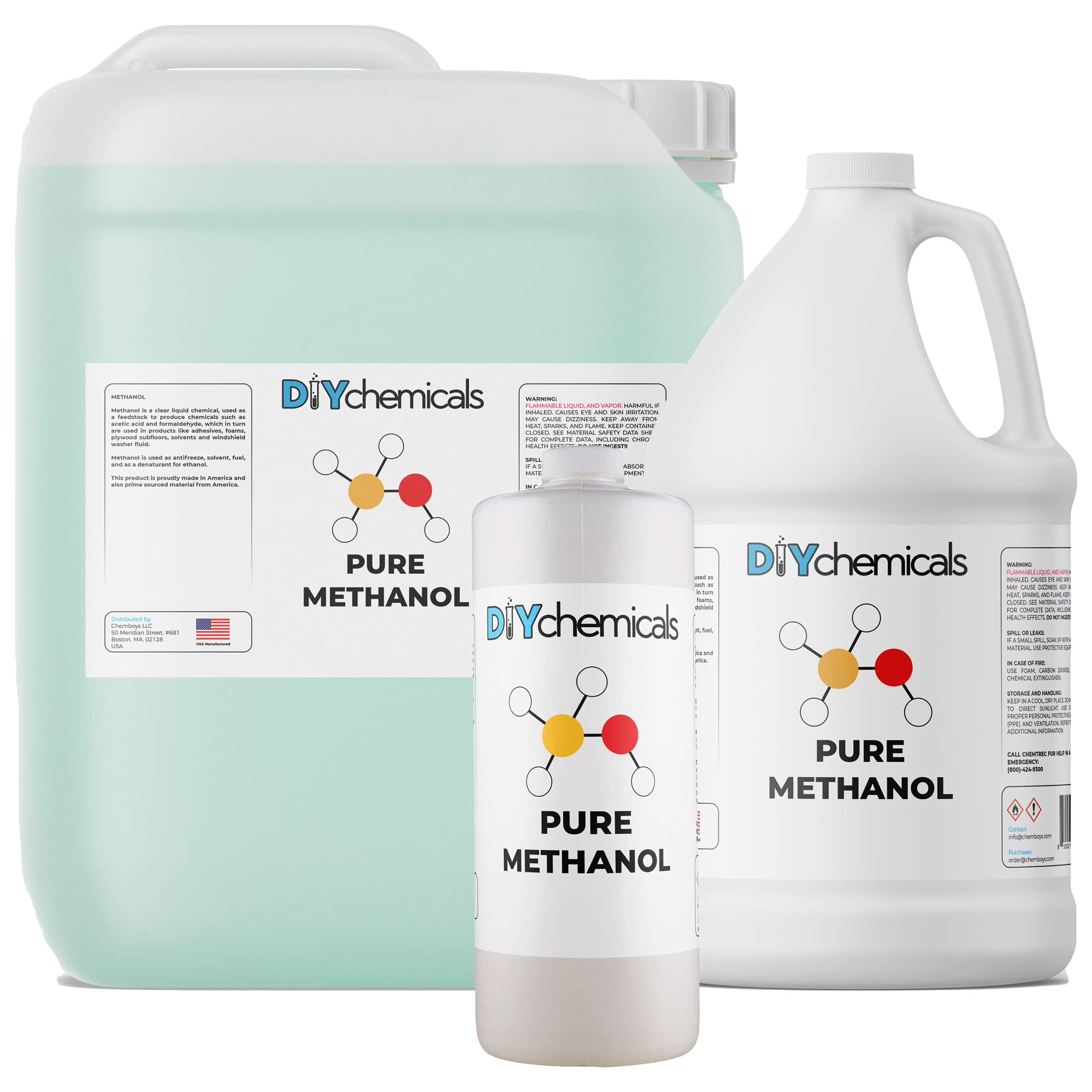
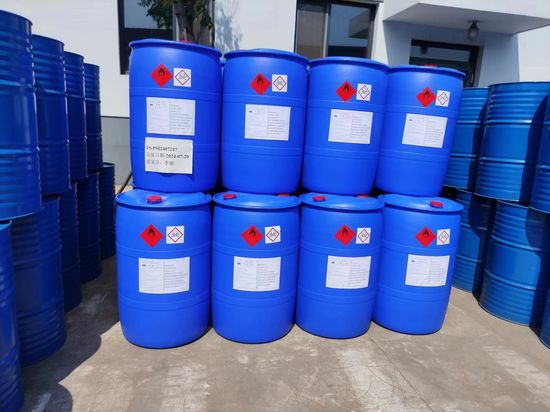
Packaging options: Bulk ISO tanks (24–26 MT), flexibags (1,000 L IBC tote equivalents), 200 L steel drums, or customized isotainers for FOB/CIF shipments
-
Shelf life: 12 months in sealed, nitrogen-blanketed containers; avoid moisture ingress and direct sunlight
3. Core Industrial Applications
-
Primary industries: Chemicals & petrochemicals, pharmaceuticals, paints & coatings, adhesives, biodiesel, automotive (windshield fluid, fuel blending), energy (direct methanol fuel cells, power generation)
-
Operational use cases: Formaldehyde synthesis (catalytic oxidation over silver or metal oxide catalysts); acetic acid via carbonylation; methyl methacrylate (MMA) production as a cost-effective intermediate
-
Performance advantage: Lower water content reduces catalyst poisoning and reactor fouling compared to standard industrial grades, yielding 3–5% higher conversion efficiency in continuous processes
-
Cost advantage: Enables lower methanol-to-olefins (MTO) consumption per ton of ethylene/propylene, reducing overall feedstock costs for polymer producers
4. Competitive Advantages
-
Quality consistency: Statistical process control at source with batch-level GC-MS analysis; certificate of analysis (CoA) provided per shipment
-
Supply reliability: Dedicated storage terminals in Houston, Rotterdam, Shanghai, and Jebel Ali; multi-sourced feedstock (natural gas + coal gasification) mitigates regional price spikes
-
Logistics capability: Owned fleet of ISO tank containers and contracted vessel space on major trade lanes (Transpacific, Europe-Asia, Americas); lead time as low as 7 days for regional deliveries
-
Price competitiveness: Index-linked pricing (ICIS Methanol, Methanex posted price) plus volume rebates >10,000 MT per quarter
-
Sustainability: ISCC-certified mass-balance green methanol available (bio-methanol or renewable hydrogen-based); reduces Scope 1 CO₂ emissions by up to 70% compared to grey methanol
-
Technical support: On-site blending documentation, corrosion compatibility guidance for storage tanks, and impurity impact modeling for downstream catalysts
5. Commercial & Supply Information
-
Minimum Order Quantity (MOQ): 20 MT (one bulk ISO tank equivalent)
-
Loading capacity: 24–26 MT per 20-ft standard container (ISO tank container)
Reviews
There are no reviews yet.