

Description
1. Product Overview
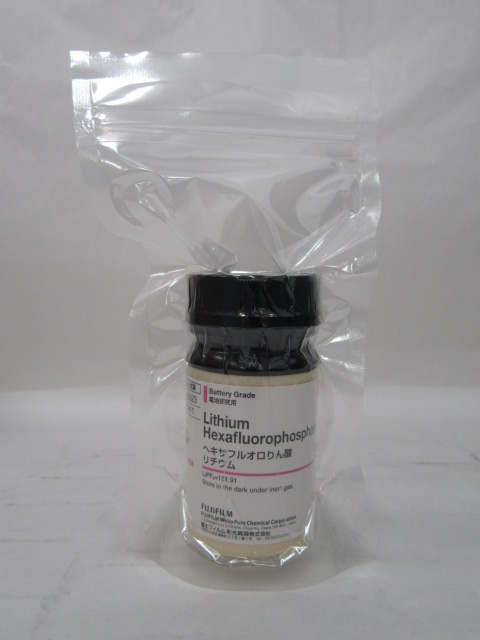
Lithium hexafluorophosphate (LiPF₆) is the highest-purity lithium salt and the critical conductive electrolyte component powering lithium-ion batteries. It is primarily used in the production of EV traction batteries, stationary energy storage systems, and consumer electronics cells. As the most commercially viable salt for non-aqueous electrolytes, its ionic conductivity, electrochemical stability, and aluminum-passivation properties deliver unmatched performance. Strategically, securing reliable LiPF₆ supply is a non-negotible lever for battery gigafactories and cathode manufacturers aiming to meet surging global electrification demand.
2. Key Specifications & Technical Characteristics
-
Chemical composition: LiPF₆ (CAS No. 21324-40-3)
-
Purity grade: Battery grade (≥99.95% trace metals basis) / Standard industrial grade (≥99.9%)
-
Physical characteristics:
-
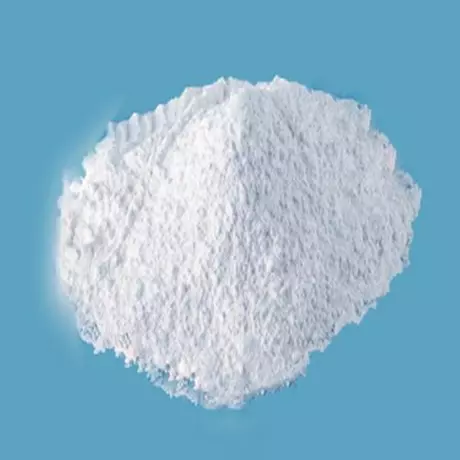
Form: White crystalline powder
-
Moisture content: ≤20 ppm (critical for battery safety)
-
Free acid (HF): ≤50 ppm
-
Particle size distribution: Controlled to prevent agglomeration
-
Bulk density: 1.5 g/cm³ (typical)
-
-
Packaging options:
-
Stainless steel drums with PTFE liner (100 kg net)
-
HDPE composite jerrycans (25 kg / 200 kg)
-
Custom IBC totes (1,000 kg) for automated dosing lines
-
-
Shelf life: 12 months from date of manufacture when stored below 25°C in dry, inert atmosphere (N₂ blanket required)
3. Core Industrial Applications
-
Electric vehicle (EV) battery manufacturing: Formulated into 1M LiPF₆ in EC/EMC/DMC solvent blends for cylindrical, pouch, and prismatic cells. Enables high voltage (4.2–4.7V) and wide operating temperature (-20°C to +60°C).
-
Grid-scale energy storage systems (ESS): Used in LFP-based stationary batteries where long cycle life (>8,000 cycles) and thermal stability are critical. Outperforms LiBF₄ and LiClO₄ due to superior aluminum current collector passivation.
-
Consumer lithium-ion cells (3C devices): Delivers consistent ionic mobility for high C-rate applications (smartphones, power tools, drones). Lower total cost of ownership vs. novel salts like LiFSI for non-high-voltage designs.
-
Why better: LiPF₆ uniquely balances solubility (up to 1.5M in carbonates), conductivity (~10⁻² S/cm), and cost (~$8–12/kg bulk). Alternatives degrade aluminum or lack film-forming ability.
4. Competitive Advantages
-
Quality consistency: Statistical process control (SPC) with batch-to-batch CV <2% for HF and moisture. ISO 9001:2025 and IATF 16949 certified.
-
Supply reliability: Redundant manufacturing lines in Asia and Europe. Buffer inventory held in climate-controlled warehouses near Rotterdam, Busan, and Houston.
-
Logistics capability: Dry, inert-shipped containers with real-time moisture-logger data included per shipment.
-
Price competitiveness: Direct sourcing from upstream lithium and phosphorus feedstock partners. Volume-tiered pricing with quarterly index-based adjustments.
-
Sustainability: Zero liquid discharge (ZLD) production process; 98% solvent recovery. Compliant with EU Battery Regulation (2024) for PFAS reporting.
-
Technical support: On-call electrolyte formulation modeling + batch-level certificate of analysis (CoA) with ICP-OES and Karl Fischer validation.
5. Commercial & Supply Information
-
Minimum order quantity (MOQ): 20 MT (dry powder, bulk industrial grade)
(Trial MOQ: 1 MT for qualification available) -
BULK 20MT loading capacity: 1 x 20FT standard dry container (20 MT net exactly, palletized with inert gas backfill)
-
MT per container:
-
20FT container = 20 MT LiPF₆ powder (max payload)
-
40FT high cube container = 20 MT only (limited by pallet footprint and weight distribution; not recommended due to moisture ingress risk)
-


Reviews
There are no reviews yet.