
Description
- Product Overview
Lipase Enzyme (EC 3.1.1.3) is a high-performance biocatalyst widely used in industrial lipid transformation processes, enabling efficient hydrolysis of fats and oils into free fatty acids and glycerol. It is primarily applied across food processing, detergents, biodiesel production, and pharmaceutical intermediates, where precise enzymatic activity is critical for process optimization. Its key value proposition lies in its high catalytic efficiency, operational stability, and ability to reduce energy-intensive chemical processing steps. Beta-glucosidase Why it is strategically important in the market highlights the broader industrial relevance of enzyme-driven bioprocessing platforms, reinforcing the strategic shift toward sustainable and bio-based manufacturing solutions. This product is strategically important in the market due to increasing demand for green chemistry, cost-efficient processing, and high-yield biocatalysis solutions. - Key Specifications & Technical Characteristics
- Chemical Composition: Protein-based enzyme (triacylglycerol lipase, EC 3.1.1.3)
- Purity Level / Grade: Industrial grade, fermentation-derived, standardized activity units
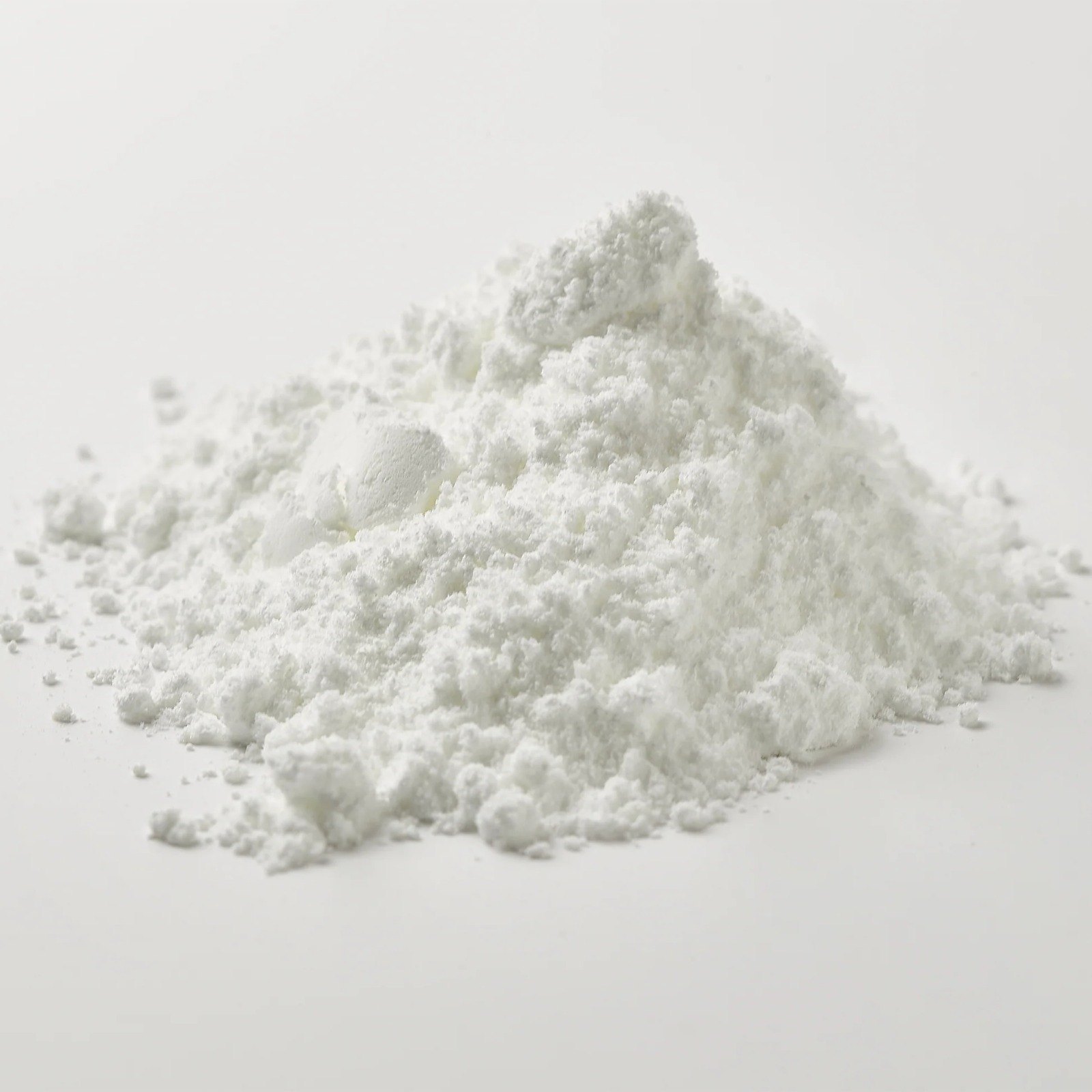
- Physical Form: Fine powder or liquid concentrate (depending on formulation)
- Color: Off-white to light beige powder (or clear to amber liquid form)
- Particle Size: Micronized powder (typical industrial enzyme range for solubility efficiency)
- Density: Approx. 0.4–0.7 g/cm³ (powder form, bulk density dependent)
- Packaging Options: 1 kg foil bags, 25 kg fiber drums, 50 kg HDPE drums, bulk IBC (liquid form)
- Shelf Life: 12–24 months under recommended cold and dry storage conditions
- Core Industrial Applications
Lipase Enzyme is extensively used in biodiesel production for transesterification of triglycerides, significantly improving conversion efficiency and reducing chemical catalyst dependency. In the food industry, it is applied in flavor enhancement, dairy processing, and bakery fat modification to improve texture and shelf stability. In detergents, it enhances grease and oil stain removal at lower wash temperatures, improving energy efficiency. Compared to conventional chemical catalysts, this enzyme delivers higher selectivity, lower environmental impact, and reduced processing costs, making it a superior alternative for sustainable industrial operations. - Competitive Advantages
- High catalytic efficiency under mild processing conditions
- Consistent batch-to-batch quality and standardized enzyme activity
- Reliable large-scale supply supported by industrial fermentation capacity
- Cost-effective solution through reduced chemical and energy usage
- Environmentally sustainable and biodegradable biocatalyst profile
- Strong technical documentation and application support for industrial integration
- Optimized logistics network ensuring stable global distribution
- Commercial & Supply Information
- Minimum Order Quantity (MOQ): BULK 20 MT
- Bulk Supply Capacity: Scalable industrial volumes available on contract basis
- Loading Capacity: Approximately 20–22 MT per 20-foot container (solid form), 18–20 MT for liquid bulk configurations
- Packaging: Export-grade sealed industrial containers suitable for long-haul shipping
- Supply Terms: FOB / CIF / EXW available depending on buyer requirements


Reviews
There are no reviews yet.