
Description
- Product Overview
Industrial Specialty Polymer Blend Residue is a post-industrial recovered material derived from high-performance polymer processing streams. It is primarily utilized in secondary compounding, energy recovery systems, and advanced material reclamation processes where controlled variability and cost efficiency are critical. The key value proposition lies in its ability to reduce raw material dependency while supporting circular economy manufacturing models. Strategically, this material is increasingly important as industries shift toward sustainable feedstock integration and cost-optimized polymer sourcing. It enables buyers to secure scalable input material without the premium pricing of virgin specialty polymers.
- Key Specifications & Technical Characteristics
- Chemical composition: Heterogeneous blend of high-performance polymers (may include engineering thermoplastics and specialty resin fragments)
- Purity level/grade: Industrial-grade residue; non-uniform composition (post-processing recovery material)
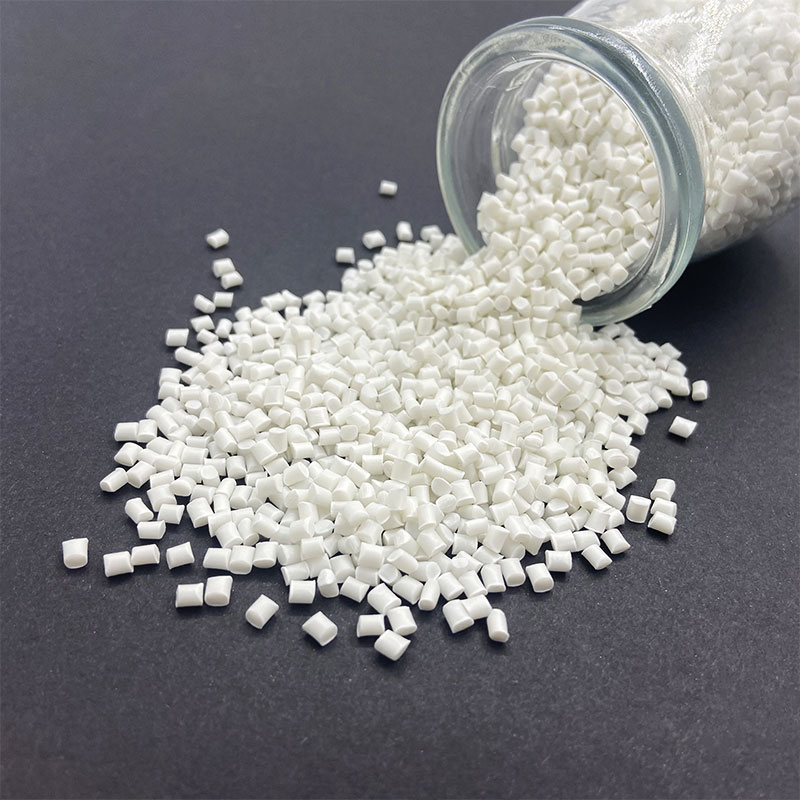
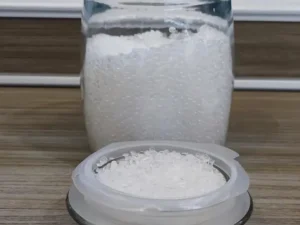
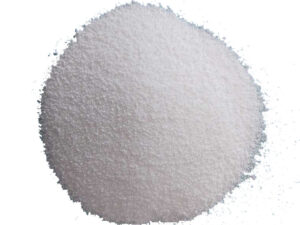
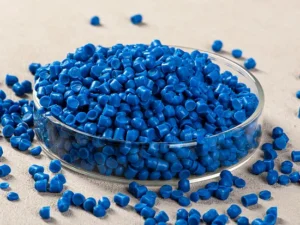
- Physical form: Flake, pelletized mix, or irregular granulate depending on batch processing
- Color: Variable (typically off-white, grey, or mixed-tone polymer appearance)
- Particle size: Non-standardized; typically 1–10 mm range after shredding/processing
- Density: Approx. 0.9–1.4 g/cm³ (batch dependent)
- Packaging options:
- 25 kg industrial sacks
- 500–1000 kg bulk flexible intermediate bulk containers (FIBCs)
- Custom bulk shipment upon request
- Shelf life: 12–24 months under dry, controlled storage conditions
- Core Industrial Applications
This material is widely utilized across recycling-intensive and cost-sensitive industrial sectors, including plastics compounding, construction materials, industrial molding, and energy recovery operations. It is commonly used as a secondary feedstock in blended polymer production, filler material in non-critical components, and as a calorific input in waste-to-energy systems.
Compared to virgin specialty polymers, this residue offers a significant cost advantage while enabling material circularity initiatives. Although it does not match the performance consistency of engineered resins, it provides strong value in applications where structural precision and ultra-high purity are not primary requirements. Its adaptability makes it especially useful in large-scale manufacturing environments focused on throughput efficiency and cost control.
- Competitive Advantages
- Quality consistency: Controlled sourcing from standardized industrial polymer recovery streams
- Supply reliability: Stable availability through continuous post-industrial collection networks
- Logistics capability: Scalable bulk handling with containerized export readiness
- Price competitiveness: Significantly lower cost base versus virgin specialty polymers
- Sustainability benefits: Supports circular economy models and reduces polymer waste footprint
- Technical support: Batch documentation and material characterization available upon request
- Strategic sourcing value: Enables cost optimization without fully compromising material utility in secondary applications
- Commercial & Supply Information
- Minimum Order Quantity (MOQ): BULK 20 MT
- Loading capacity: 20–24 MT per 20-ft container (depending on packaging density and format)

Reviews
There are no reviews yet.