
Description
1. Product Overview
Industrial Re-refined Lubricant Feedstock is a high-value hydrocarbon-based raw material derived from advanced re-refining processes that recover usable base oil components from spent lubricants. It is primarily utilized in the production of lubricating oils, industrial fluids, process oils, and related petroleum-derived formulations. The product offers a cost-effective and sustainable alternative to virgin petroleum feedstocks while maintaining dependable quality and performance characteristics. Strategically important to the circular economy and modern lubricant industry, it enables manufacturers to reduce environmental impact, optimize production costs, and secure reliable raw material supply.
2. Key Specifications & Technical Characteristics
- Material Composition: Re-refined hydrocarbon lubricant fractions and recovered base oil components.
- Grade: Industrial feedstock grade.
- Purity Level: High-quality re-refined composition with low levels of contaminants and impurities.
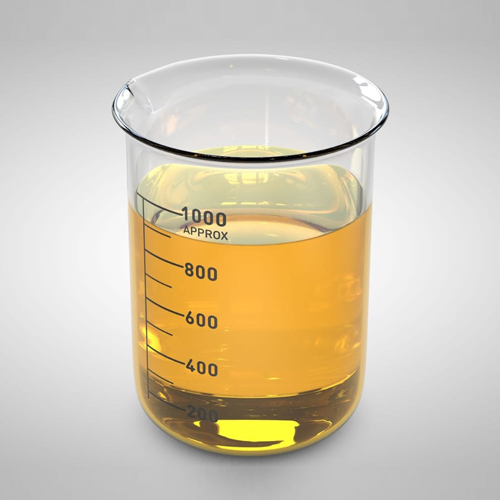
- Appearance: Clear to amber liquid.
- Physical Form: Liquid.
- Odor: Characteristic petroleum odor.
- Density: Typically 0.85–0.90 g/cm³ (depending on grade and viscosity range).
- Viscosity Range: Available according to customer specifications.
- Moisture Content: Low moisture content.
- Packaging Options:
- Bulk tanker shipments
- ISO tanks
- Drums
- Intermediate Bulk Containers (IBCs)
- Shelf Life: Up to 12 months under recommended storage conditions in sealed containers.
3. Core Industrial Applications
Industrial Re-refined Lubricant Feedstock is widely used across several sectors, including:
- Lubricant Manufacturing Industry
- Production of automotive and industrial lubricating oils.
- Petrochemical Industry
- Feedstock for process oils and specialty petroleum formulations.
- Metalworking and Heavy Industries
- Manufacture of hydraulic oils, gear oils, and machinery lubricants.
- Industrial Fluid Production
- Blending and formulation of various performance fluids.
Performance Advantages
- Provides a cost-efficient alternative to virgin base oils.
- Delivers consistent quality suitable for large-scale manufacturing.
- Supports circular economy initiatives and resource conservation.
- Reduces raw material procurement costs without compromising operational performance.
- Offers compatibility with existing lubricant blending processes, minimizing production adjustments.
4. Competitive Advantages
- Quality Consistency
- Produced through controlled re-refining processes to ensure stable and reliable feedstock characteristics.
- Supply Reliability
- Continuous availability supported by scalable production capabilities and long-term sourcing networks.
- Logistics Capability
- Efficient global distribution with flexible packaging and bulk shipping options.
- Price Competitiveness
- Attractive economics compared with virgin petroleum feedstocks, improving manufacturing margins.
- Sustainability Benefits
- Promotes waste oil recycling, resource recovery, and reduced environmental footprint.
- Technical Support & Documentation
- Product specifications, quality documentation, and technical information available upon request to facilitate procurement and regulatory compliance.
- Strategic Sourcing Value
- Enables industrial buyers to strengthen supply chain resilience while supporting sustainability objectives and cost optimization initiatives.
5. Commercial & Supply Information
- Minimum Order Quantity (MOQ): Bulk 20 MT.
- Loading Capacity (20-Foot Container): Approximately 20–22 MT.
- Loading Capacity (40-Foot Container): Approximately 24–26 MT.
- Supply Format: Bulk tanker, ISO tank, drums, and IBC containers.
- Export Availability: Global supply for industrial and commercial customers.



Reviews
There are no reviews yet.