
Description
1. Product Overview
Industrial Hydrogenation Catalyst Residue is a high-value secondary material derived from hydrogenation catalyst recovery processes in large-scale chemical and petrochemical operations. It is primarily utilized in metal reclamation, catalyst regeneration feed systems, and precious metal recovery circuits within refining and specialty chemical industries. The product delivers strategic value by enabling cost-efficient recovery of valuable active metals while reducing industrial waste streams and supporting circular economy objectives.
Its market importance lies in the increasing global demand for precious metal recycling, tightening environmental regulations, and the need for secure, sustainable catalyst supply chains. By transforming process residue into a recoverable industrial input, it provides both economic upside and operational sustainability for downstream processors.
2. Key Specifications & Technical Characteristics
- Material Composition: Spent hydrogenation catalyst matrix containing residual noble metals (e.g., Pd, Pt, Ni depending on feedstock source) supported on alumina or carbon base
- Purity Level / Grade: Industrial recovery grade (variable metal loading, typically optimized for metal reclamation processes)
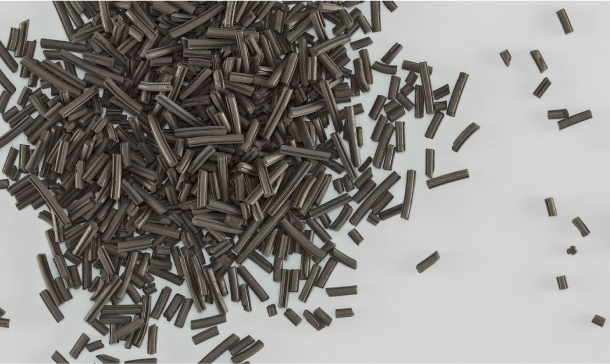
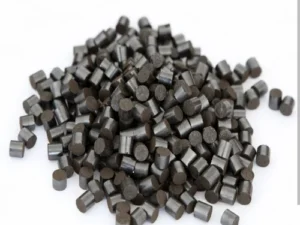
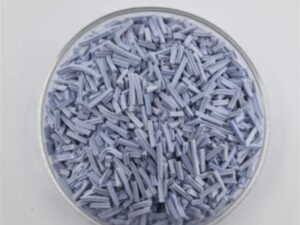
- Physical Form: Granular, powder, or semi-solid slurry depending on extraction stage
- Color: Dark grey to black heterogeneous material
- Particle Size: Variable (typically 50 µm – 5 mm depending on processing stage)
- Density: Approx. 0.8 – 1.6 g/cm³ (process-dependent)
- Packaging Options: Sealed steel drums, fiber drums with inner liners, or bulk super sacks (1MT units typical)
- Shelf Life: Stable under dry, inert storage conditions for 12–24 months
3. Core Industrial Applications
- Precious Metal Recovery: Primary feedstock for refining operations extracting palladium, platinum, and nickel residues
- Catalyst Regeneration: Used as input material for reprocessing into fresh hydrogenation catalysts
- Petrochemical Processing: Supports circular catalyst lifecycle management in refineries and hydrogenation units
- Metallurgical Recycling: Integrated into hydrometallurgical and pyrometallurgical recovery systems
- Operational Advantage: Offers higher recovery yield potential compared to low-grade spent catalysts due to optimized residual metal content and reduced contaminant interference
This product is preferred by refiners and recyclers due to its predictable recovery profile and compatibility with standard extraction technologies.
4. Competitive Advantages
- Quality Consistency: Controlled sourcing from industrial hydrogenation units ensures stable composition ranges
- Supply Reliability: Continuous feedstock availability through structured industrial collection networks
- Logistics Capability: Export-ready packaging designed for hazardous/industrial material handling compliance
- Price Competitiveness: Cost-efficient alternative to virgin catalyst procurement and high-purity scrap streams
- Sustainability Benefits: Supports circular economy models by reducing mining dependency and industrial waste
- Technical Documentation: Full batch traceability, assay reports, and recovery yield estimates available upon request
- Strategic Value: Enhances refinery margin optimization through integrated metal recovery economics
5. Commercial & Supply Information
- Minimum Order Quantity (MOQ): Bulk 20 MT
- Loading Capacity: 20–22 MT per 20-foot container (depending on packaging density and regulatory constraints)
Reviews
There are no reviews yet.