
Description
- Product Overview
Industrial Hydrofluoric Acid Residue is a concentrated by-product stream derived from fluorochemical and metal processing operations containing residual fluorides and associated mineral compounds. It is primarily utilized as a secondary raw material in chemical recovery, fluorine value extraction, and industrial recycling processes. The product delivers significant cost-efficiency by enabling downstream recovery of valuable fluorine compounds while reducing hazardous waste disposal burdens. In today’s resource-constrained industrial landscape, it plays a strategically important role in circular supply chains and sustainable chemical production systems. - Key Specifications & Technical Characteristics
- Chemical composition: Mixture of residual HF, fluorides (CaF₂, NaF), metal impurities, and process-derived mineral residues
- Purity level/grade: Industrial recovery grade (variable composition depending on source stream)
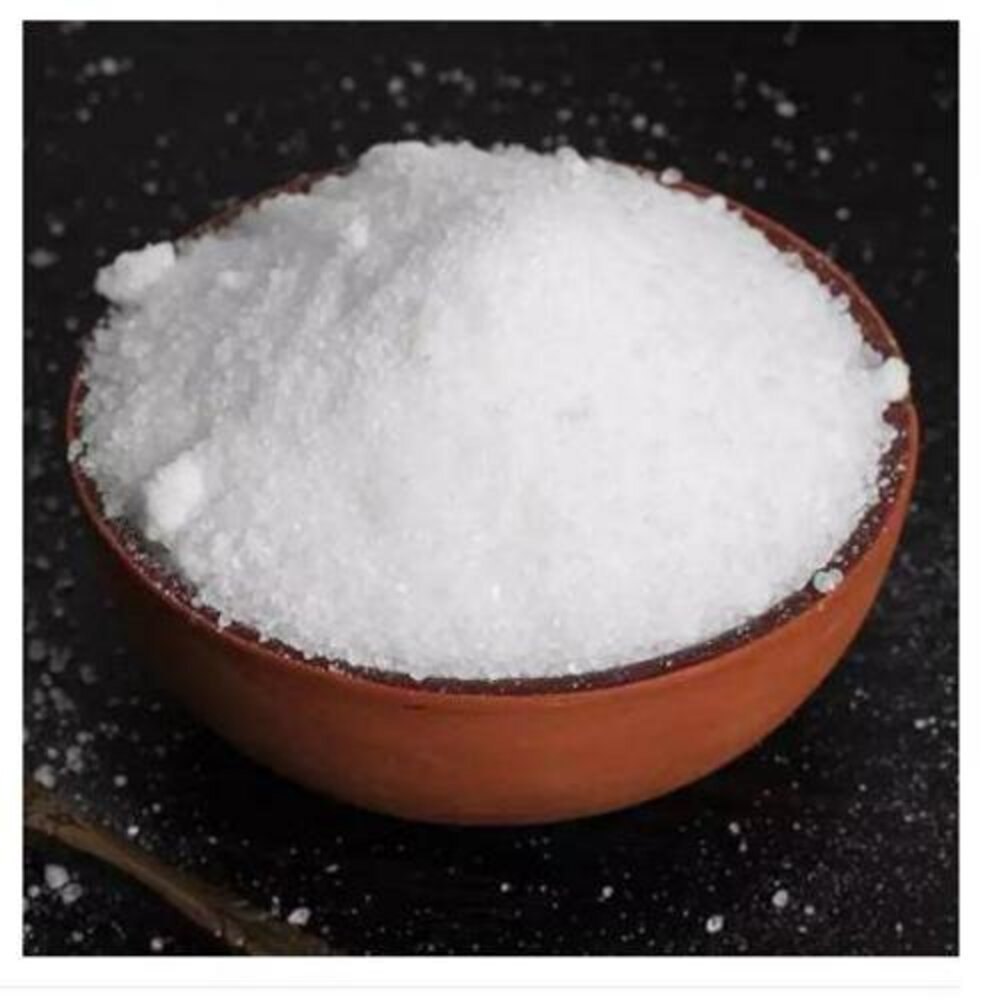
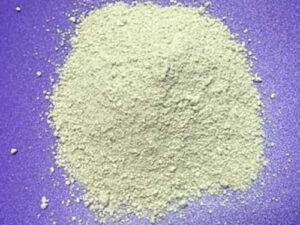
- Physical form: Liquid slurry or semi-solid residue
- Color: Light gray to dark gray or pale yellow (process-dependent variation)
- Density: Typically 1.1 – 1.8 g/cm³ (variable)
- Particle size: Fine suspended solids in slurry form (variable distribution)
- Packaging options: Acid-resistant drums, HDPE tanks, ISO tank containers
- Shelf life: Best used within 3–6 months under controlled storage conditions
- Core Industrial Applications
Industrial Hydrofluoric Acid Residue is widely used in fluorochemical recovery plants, aluminum and steel processing units, and specialty chemical manufacturing. Key applications include recovery of hydrogen fluoride (HF), production of fluorine salts, and feedstock recycling in acid regeneration systems. It offers superior value in integrated metallurgical operations where closed-loop resource recovery reduces raw material dependency. Compared to virgin raw materials, it provides a lower-cost alternative while supporting waste minimization and process efficiency improvements. - Competitive Advantages
- High-value resource recovery potential from secondary fluorine streams
- Consistent supply from large-scale industrial processing sources
- Optimized logistics handling through specialized chemical transport systems
- Cost advantage versus primary HF and virgin fluoride raw materials
- Supports environmental compliance through waste valorization and reduction strategies
- Availability of technical documentation, handling guidance, and quality specifications for industrial integration
- Commercial & Supply Information
- Minimum Order Quantity (MOQ): BULK 20 MT
- Loading Capacity: Up to 20–25 MT per ISO tank container or bulk chemical tanker depending on regional transport regulations
Reviews
There are no reviews yet.