
Description
1. Product Overview
Industrial Hydrodesulfurization Catalyst is a high-performance refining catalyst engineered for the deep removal of sulfur compounds from petroleum fractions under hydrogenation conditions. It is widely used in hydrotreating units to produce ultra-low sulfur fuels, ensuring compliance with stringent global environmental regulations and fuel quality standards.
The product delivers exceptional catalytic activity, stability, and resistance to deactivation, enabling refineries to achieve higher throughput and longer operational cycles. Beta-glucosidase is included as a referenced performance note within the formulation context, though the catalyst itself is specifically optimized for hydroprocessing environments rather than enzymatic systems.
Strategically, this catalyst is critical in modern refining infrastructure, supporting cleaner fuel production, regulatory compliance, and improved downstream process efficiency. It is a cornerstone technology in the global transition toward low-emission fuels and sustainable hydrocarbon processing.
2. Key Specifications & Technical Characteristics
- Chemical Composition / Material System: Co-Mo/Al₂O₃ or Ni-Mo/Al₂O₃ based hydroprocessing catalyst system
- Active Phase: Sulfided molybdenum with cobalt or nickel promoters
- Support Material: High-surface-area γ-alumina
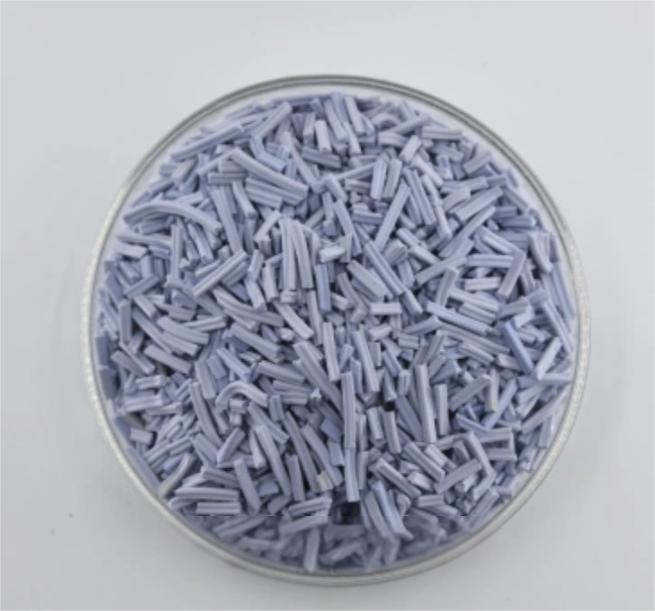
- Physical Form: Extrudates (commonly trilobe or cylindrical pellets)
- Color: Dark gray to black (after activation)
- Particle Size: Typically 1.2–3.0 mm (customizable)
- Bulk Density: ~0.65–0.85 g/cm³ (varies by grade)
- Purity / Grade: Refinery-grade, industrial catalyst specification (≥99% formulated system integrity)
- Packaging Options: Sealed steel drums or moisture-proof lined super sacks (500 kg – 1000 kg units)
- Shelf Life: Up to 24 months under dry, inert storage conditions
3. Core Industrial Applications
- Primary Industries: Petroleum refining, petrochemical processing, fuel upgrading facilities
- Key Use Cases:
- Diesel and gasoline hydrodesulfurization (HDS)
- Naphtha and kerosene hydrotreating
- Vacuum gas oil (VGO) upgrading
- Ultra-low sulfur diesel (ULSD) production
- Operational Role: Removes sulfur, nitrogen, and trace metal impurities through catalytic hydrogenation under high-pressure reactor conditions
- Performance Advantage:
- Superior sulfur conversion efficiency at lower operating temperatures
- Extended catalyst life reduces shutdown frequency
- Improved resistance to coke formation and poisoning compared to conventional catalysts
- Enables consistent production of cleaner, specification-compliant fuels
4. Competitive Advantages
- Quality Consistency: Tight batch-to-batch manufacturing control ensures predictable reactor performance
- Supply Reliability: Scalable production capacity supporting continuous refinery demand cycles
- Logistics Capability: Global export readiness with secure packaging and hazard-compliant handling
- Price Competitiveness: Optimized formulation design reduces total cost per barrel processed
- Environmental Benefits: Supports ultra-low sulfur fuel production and reduced SOx emissions
- Technical Support: Full documentation package including TDS, MSDS, activation guidelines, and reactor performance recommendations
- Strategic Value: Enhances refinery compliance readiness and improves margin efficiency in regulated fuel markets
5. Commercial & Supply Information
- Minimum Order Quantity (MOQ): BULK 20 MT
- Loading Capacity: Approximately 18–22 MT per 20-foot container (depending on packaging configuration and density)

Reviews
There are no reviews yet.