
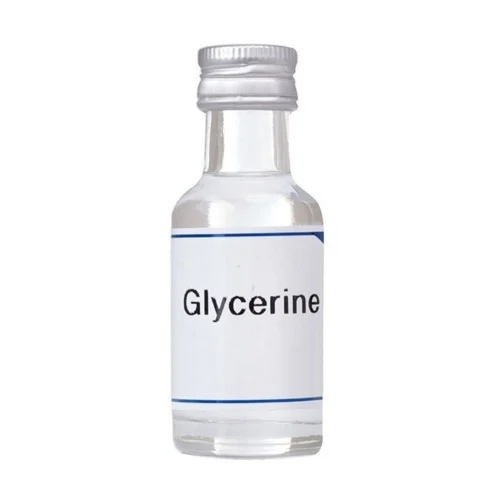
Description
1. Product Overview
Industrial Glycerin Streams are secondary glycerol-rich liquid fractions generated from biodiesel production, oleochemical processing, and soap manufacturing operations. These streams contain recoverable glycerin along with controlled water, salts, and trace organic compounds, making them suitable for refining, reprocessing, or regulated industrial applications.
As a value-optimization feedstock, Industrial Glycerin Streams enable manufacturers to reduce dependence on refined glycerin while enhancing resource efficiency. Strategically, they support circular bio-based chemical utilization, lower waste treatment costs, and strengthen supply resilience across glycerin-dependent industries.
2. Key Specifications & Technical Characteristics
- Chemical Composition:
- Glycerin (C₃H₈O₃) – variable concentration
- Water (process-dependent)
- Salts (e.g., sodium or potassium salts)
- Trace methanol (in biodiesel-derived streams)
- Minor organic impurities
- Purity Level / Grade:
- Industrial By-product Grade
- Typical glycerin concentration range: 40–85% (stream-dependent)
- Suitable for refining, distillation, or controlled industrial reuse
- Physical Characteristics:
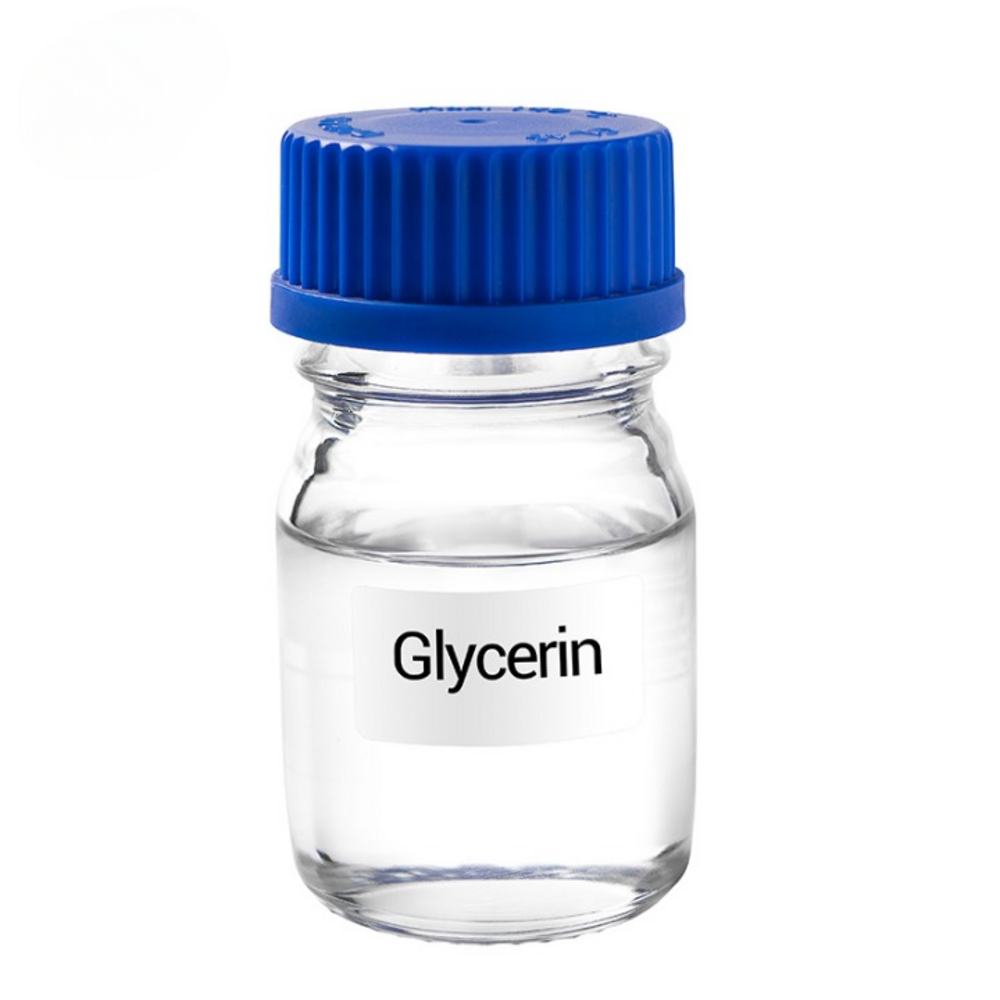
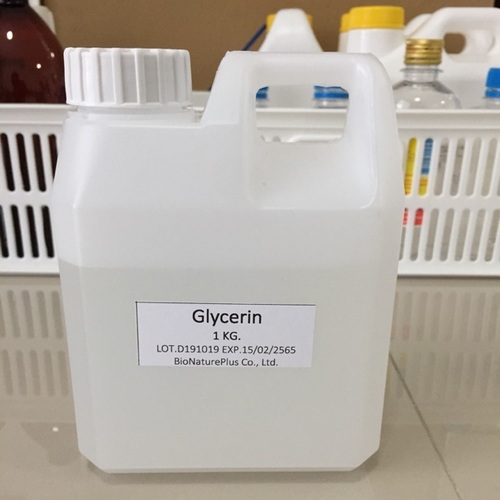
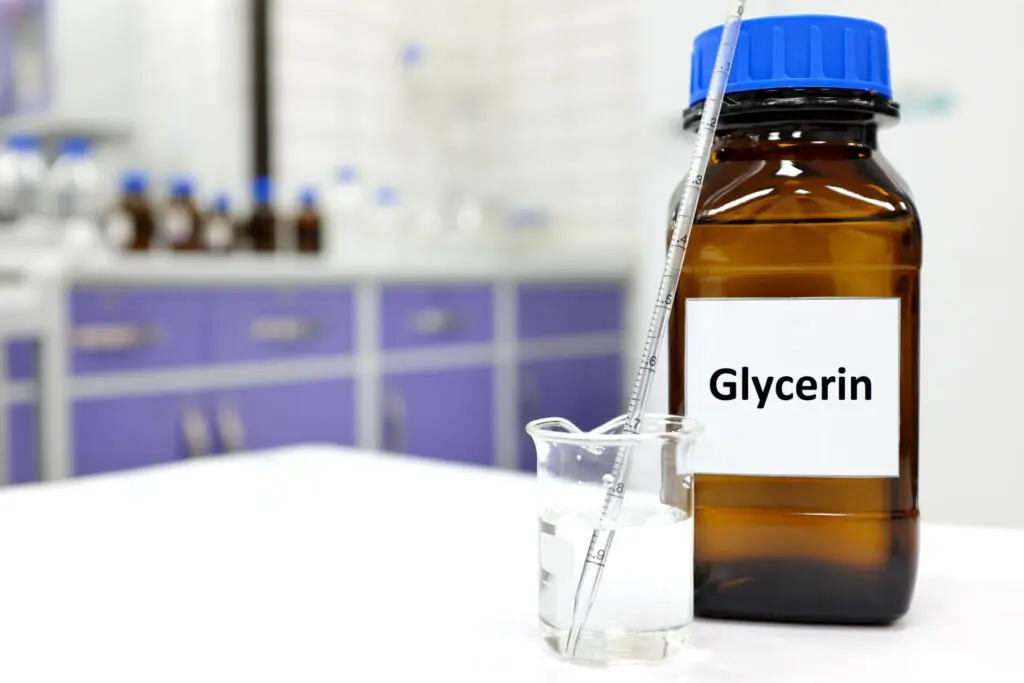
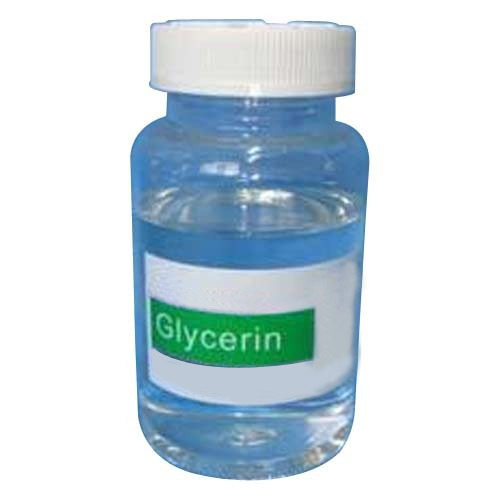
- Form: Viscous liquid
- Appearance: Clear to dark brown (composition-dependent)
- Odor: Mild characteristic odor
- Density: Approx. 1.10–1.26 g/cm³ (concentration-dependent)
- High viscosity; hygroscopic
- Packaging Options:
- Bulk tanker trucks
- ISO tank containers (20–25 MT capacity)
- IBC totes (1,000 L)
- BULK 20MT shipments
- Shelf Life:
- Stable under sealed storage
- Recommended storage in dry, contamination-free tanks
3. Core Industrial Applications
Primary Industries
- Biodiesel and biofuel production
- Oleochemical refining
- Chemical manufacturing
- Industrial formulations
- Energy recovery operations (regulated use)
Operational Use Cases
- Feedstock for glycerin purification and distillation
- Intermediate input for chemical synthesis (e.g., glycols, resins)
- Blending component in industrial formulations
- Controlled use in energy recovery systems
- Reintroduction into bio-based processing streams
Performance & Cost Advantages
Industrial Glycerin Streams offer significant economic value for facilities equipped with purification or separation infrastructure. Recoverable glycerin content reduces reliance on refined glycerol sourcing, lowering raw material costs.
Compared to exclusive procurement of fully refined glycerin, these streams support cost optimization, waste reduction, and improved feedstock utilization. Their integration into circular bio-based systems enhances overall operational efficiency and sustainability performance.
4. Competitive Advantages
- Quality Consistency: Batch-tested glycerin concentration with analytical reporting.
- Supply Reliability: Continuous generation from established biodiesel and oleochemical operations.
- Logistics Capability: Bulk liquid handling via tanker and ISO containerized shipments.
- Price Competitiveness: Cost-effective alternative to refined glycerin for suitable industrial applications.
- Sustainability Benefits: Supports circular bio-based chemical utilization and reduces industrial waste streams.
- Technical Documentation: COA, SDS, and compositional reports provided.
- Technical Support: Guidance on refining integration, storage compatibility, and handling procedures.
Industrial Glycerin Streams represent a strategic sourcing decision for industrial buyers seeking feedstock diversification, cost efficiency, and enhanced sustainability within bio-based and chemical value chains.
5. Commercial & Supply Information
- Minimum Order Quantity (MOQ): BULK 20MT
- Loading Capacity:
- 20ft ISO Tank Container: Approx. 20–25 MT depending on viscosity and transport specifications
Reviews
There are no reviews yet.