
Description
1. Product Overview
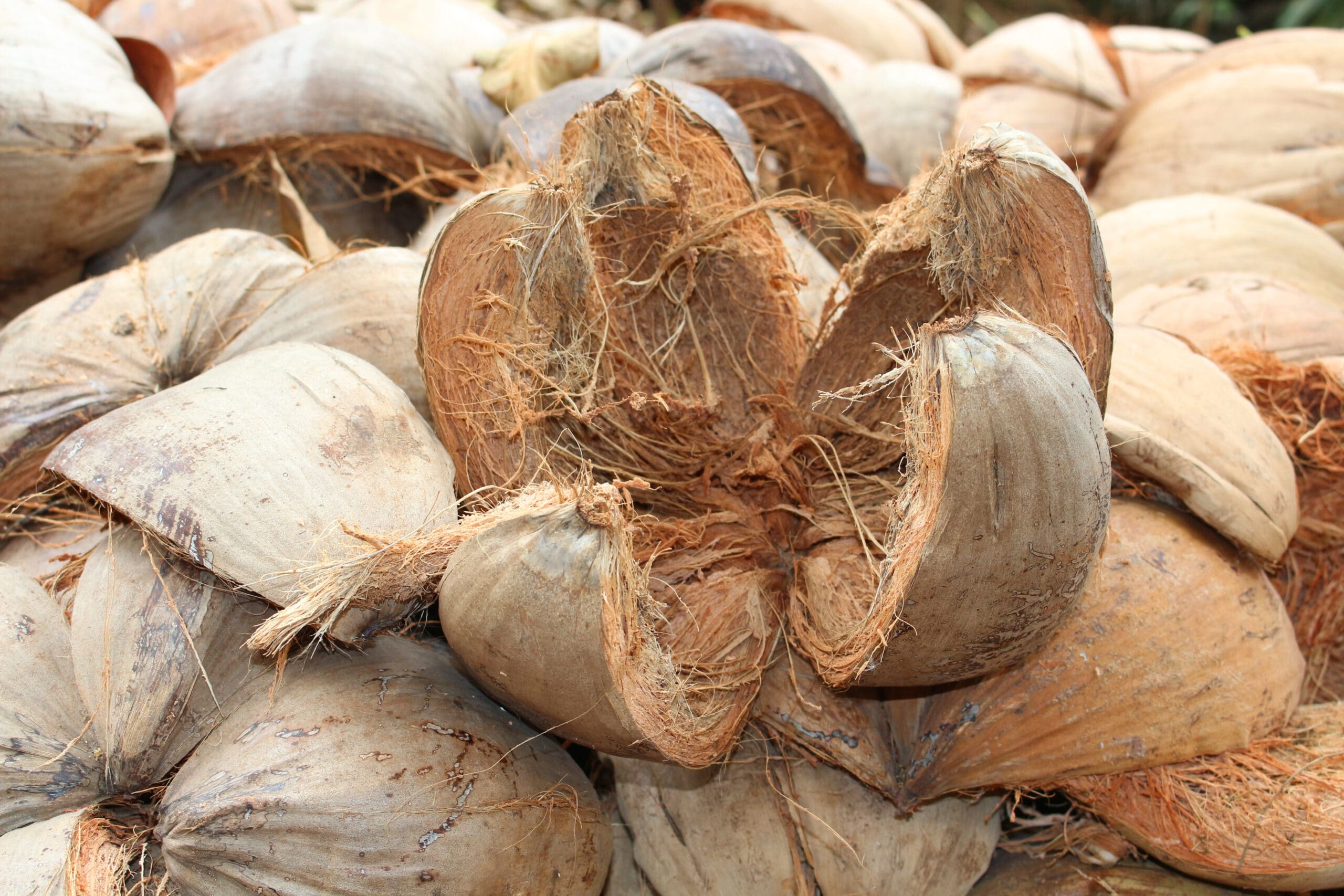
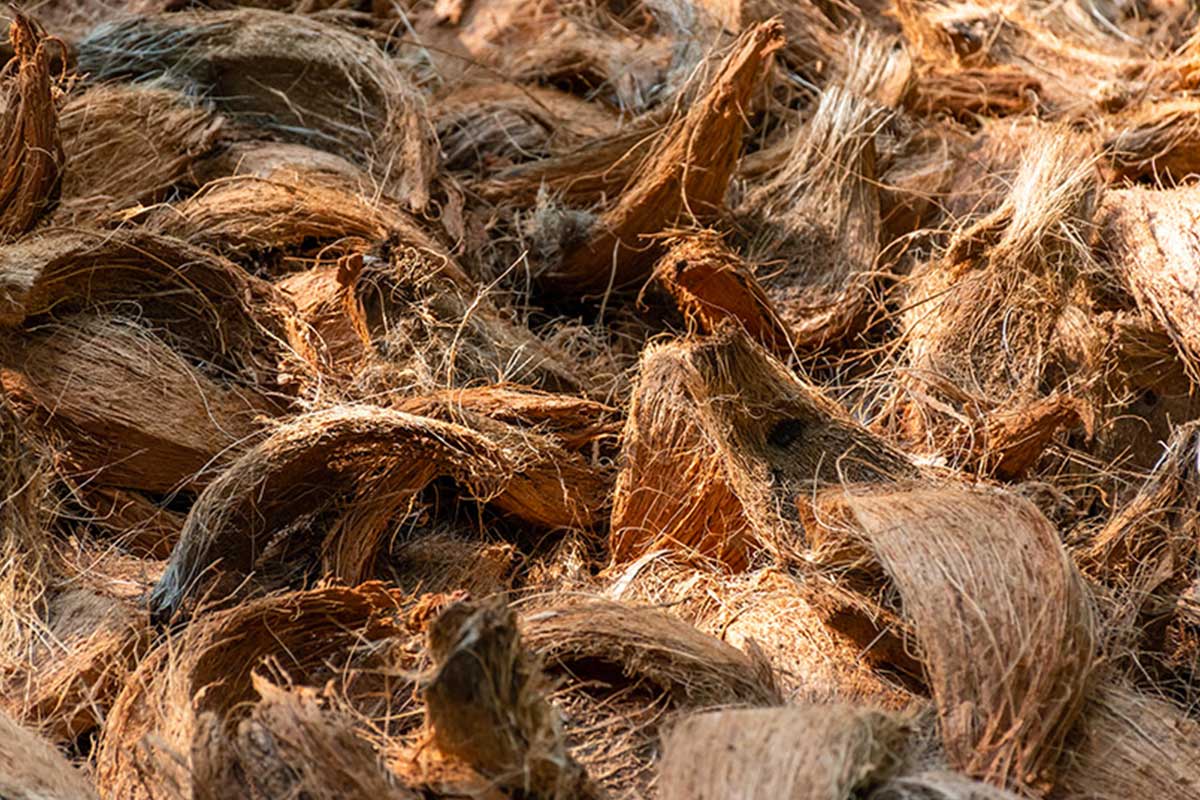
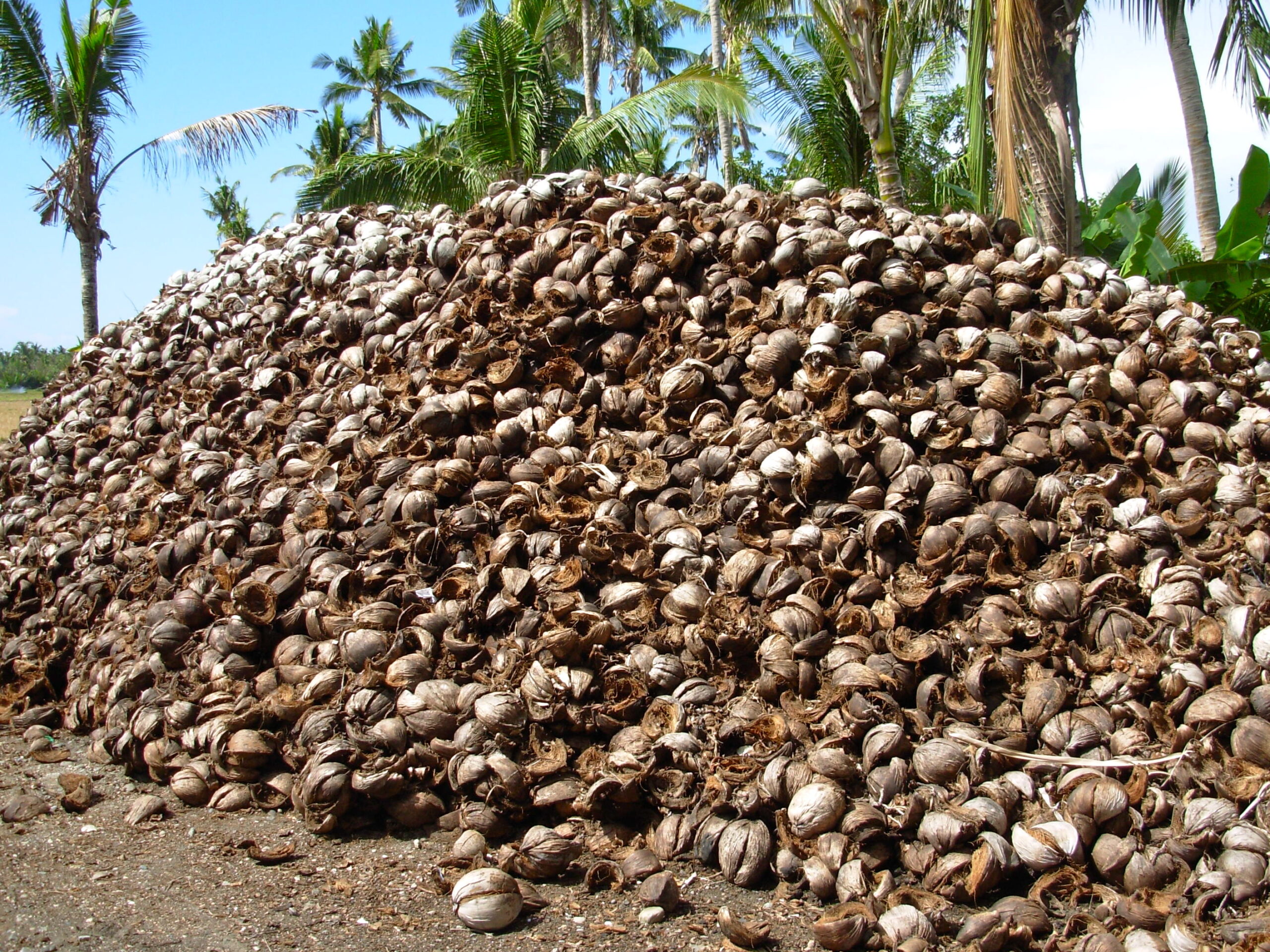
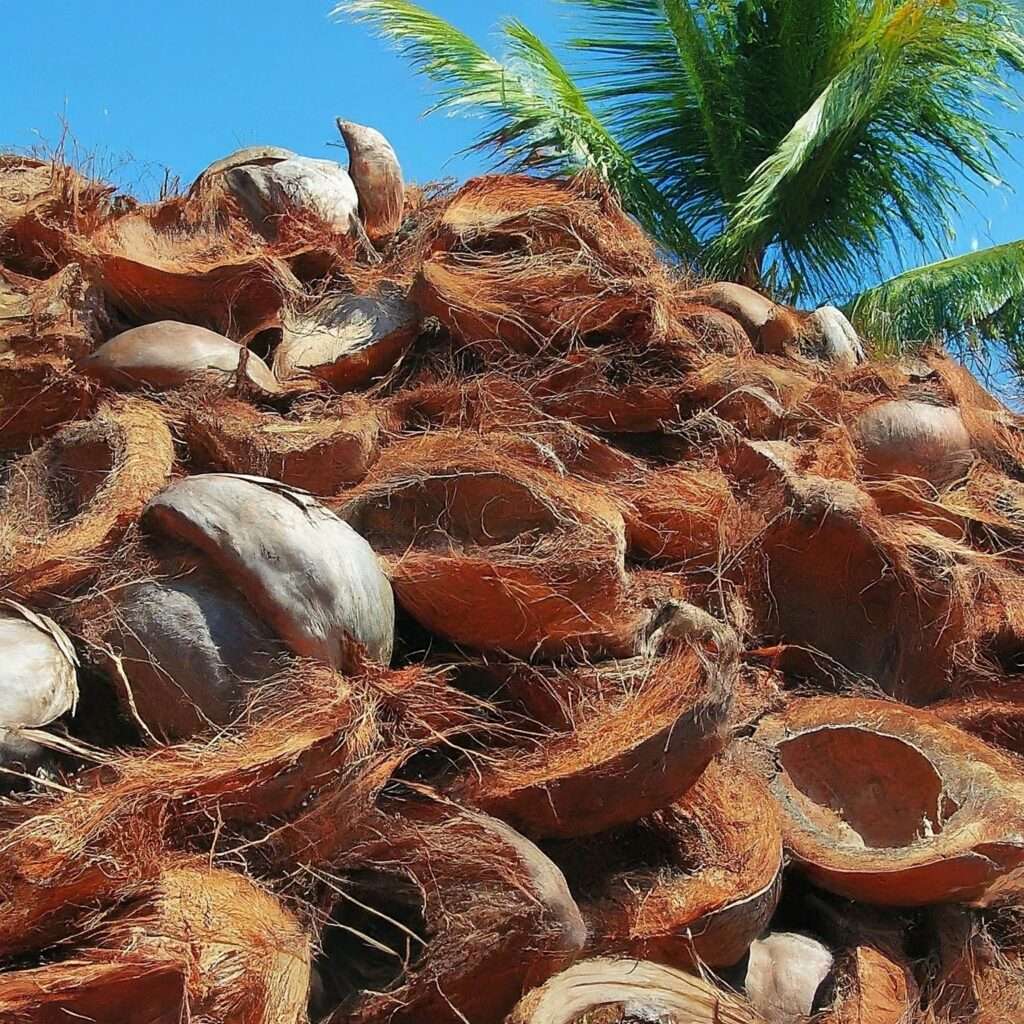
Industrial Coconut Husk Residue is a fibrous by-product derived from the processing of coconut husks during the extraction of coir fiber. Rich in lignocellulosic material, it serves as a versatile raw input for multiple industrial sectors including agriculture, bioenergy, and materials manufacturing. The material offers a sustainable and cost-effective alternative to conventional biomass and organic substrates. With increasing global demand for renewable resources and biodegradable materials, Coconut Husk Residue has become strategically important as a scalable biomass feedstock. Its abundant availability, natural composition, and circular-economy value make it an attractive sourcing option for industrial buyers.
2. Key Specifications & Technical Characteristics
- Material Composition: Lignin, Cellulose, Hemicellulose, Organic Fibers, Trace Minerals
- Organic Content: Typically 80–90% lignocellulosic biomass
- Grade: Industrial Biomass Grade
- Physical Form: Fibrous residue / coarse organic particulate
- Color: Light brown to dark brown
- Particle Size: Typically 2–20 mm depending on processing method
- Moisture Content: Generally 10–25% (can vary based on drying level)
- Bulk Density: Approximately 80–150 kg/m³
- Biodegradability: Fully biodegradable natural biomass
- Packaging Options: Compressed bales, bulk sacks (1 MT jumbo bags), or loose bulk loading
- Shelf Life: 12–24 months when stored in dry, ventilated conditions
3. Core Industrial Applications
Agriculture & Horticulture
Widely used as a substrate component in soil conditioners, organic fertilizers, and horticultural growing media. Its natural fiber structure enhances soil aeration, moisture retention, and microbial activity.
Bioenergy & Biomass Processing
Utilized as a renewable biomass feedstock for pellet production, briquettes, and biomass energy generation. The lignocellulosic composition provides efficient combustion and energy yield.
Industrial Absorbents & Filtration Media
The fibrous structure allows the material to function as an effective absorbent in oil spill control, industrial filtration beds, and environmental remediation systems.
Biocomposite & Sustainable Materials Manufacturing
Used as a reinforcement fiber or filler material in biodegradable composites, packaging materials, and eco-friendly construction boards.
Compared to synthetic substrates and conventional biomass inputs, Coconut Husk Residue offers strong moisture retention, structural durability, and lower environmental impact, while maintaining favorable cost efficiency for large-scale operations.
4. Competitive Advantages
- Quality Consistency: Processed from controlled coconut husk streams ensuring uniform fiber composition
- Supply Reliability: Large-scale availability from coconut processing industries across tropical production regions
- Logistics Capability: Compressible biomass enabling efficient container loading and international shipment
- Price Competitiveness: Lower cost per ton compared to many alternative organic substrates and biomass feedstocks
- Sustainability Benefits: 100% natural, renewable, and biodegradable material supporting circular resource utilization
- Technical Documentation: Material specifications and handling guidelines available to support industrial procurement requirements
5. Commercial & Supply Information
- Minimum Order Quantity (MOQ): BULK 20 MT
- Loading Capacity: 20–26 MT per 40’ container depending on compression and packaging configuration

Reviews
There are no reviews yet.