







Description
1. Product Overview
Industrial Castor Oil Residue is a high-value by-product derived from the mechanical or solvent extraction of oil from Ricinus communis seeds during castor oil production. Rich in organic compounds and residual nutrients, this material is widely utilized across industrial sectors for energy generation, organic soil enhancement, and industrial feedstock applications. Its high organic content and favorable combustion characteristics make it particularly valuable for biomass energy systems and industrial processing. As global industries increasingly prioritize circular resource utilization and cost-efficient raw materials, Industrial Castor Oil Residue represents a strategically important secondary resource with strong demand across multiple supply chains.
2. Key Specifications & Technical Characteristics
- Material Composition: Organic fibrous residue containing residual oil fractions, proteins, lignocellulosic biomass, and mineral components
- Typical Residual Oil Content: 6–12% (depending on extraction method)
- Organic Matter Content: High organic carbon with nitrogen-rich compounds
- Purity/Grade: Industrial grade by-product from castor oil processing
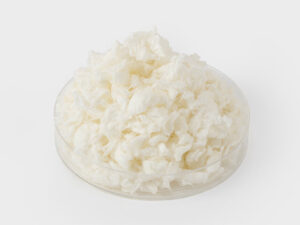
- Physical Form: Press cake, flakes, or granulated solid residue
- Color: Dark brown to black
- Particle Size: Variable (typically 5–30 mm fragments or processed granules)
- Moisture Content: Typically 8–15%
- Bulk Density: Approx. 450–650 kg/m³ (depending on processing)
- Packaging Options: Bulk bags (1 MT), jumbo sacks, or loose bulk loading
- Shelf Life: 12–24 months when stored in a dry, ventilated environment
3. Core Industrial Applications
Industrial Castor Oil Residue serves several essential roles across industrial value chains:
- Biomass Energy & Industrial Fuel: Used as a high-calorific biomass feedstock in industrial boilers and biomass power plants, offering a renewable alternative to coal or fuel oil.
- Organic Fertilizer Production: Processed into nutrient-rich organic fertilizers or soil amendments due to its high nitrogen and organic matter content.
- Industrial Chemical Processing: Utilized as a feedstock in certain biochemical and fermentation processes where organic residues are required.
- Animal Repellent & Agricultural Inputs: After appropriate treatment, used in specialty agricultural formulations due to naturally occurring compounds derived from castor seeds.
Compared with many agricultural residues, castor oil residue offers higher nutrient density and stronger energy value, making it more efficient for fertilizer manufacturing and biomass energy production while maintaining competitive cost advantages.
4. Competitive Advantages
- Consistent Industrial Quality: Produced through standardized oil extraction processes ensuring uniform composition.
- Reliable Supply Chain: Continuous availability from large-scale castor oil processing operations.
- Efficient Bulk Logistics: Suitable for containerized bulk shipment with optimized loading density.
- Cost-Effective Raw Material: Competitive pricing compared with synthetic inputs or higher-cost biomass fuels.
- Sustainability Benefits: Valorizes agricultural by-products and supports circular economy resource utilization.
- Technical Documentation: Material specifications and quality data available to support industrial procurement and compliance requirements.
Industrial Castor Oil Residue is therefore positioned as a strategic sourcing option for manufacturers seeking reliable, sustainable, and economically efficient raw material inputs.
5. Commercial & Supply Information
- Minimum Order Quantity (MOQ): BULK 20 MT
- Loading Capacity: 20–25 MT per 20-ft container depending on packaging and moisture level


Reviews
There are no reviews yet.