
Description
1. Product Overview
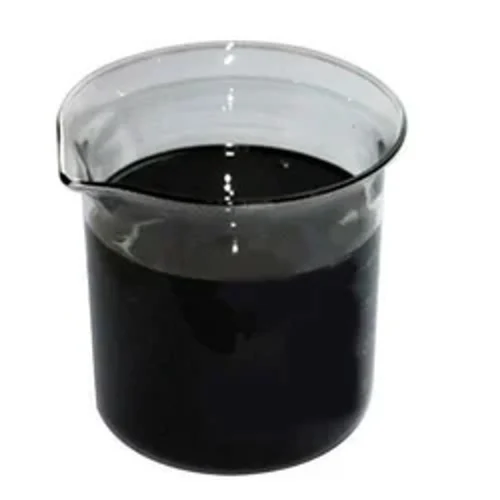
Industrial Acid Blend Residue is a concentrated by-product stream derived from multi-acid industrial processing systems, engineered for controlled reuse, downstream recovery, or secondary chemical processing applications. It is primarily utilized in metallurgical treatment, chemical recovery operations, and industrial wastewater neutralization systems where reactive acid content and residual catalytic compounds are valuable. The product delivers strategic cost optimization by enabling circular material utilization and reducing virgin acid consumption.
In today’s tightening industrial compliance and cost-driven procurement environment, this residue stream represents a high-value feedstock for recovery-focused operations. Its importance lies in its ability to convert waste liability into operational input value while supporting sustainability and resource efficiency targets.
2. Key Specifications & Technical Characteristics
- Chemical Composition: Mixed inorganic acid residues (predominantly hydrochloric, sulfuric, and nitric acid traces depending on feed process)
- Purity Level / Grade: Industrial recovery grade (variable concentration stream, process-dependent)
- Physical Characteristics:
- Form: Liquid
- Color: Pale yellow to dark amber
- Odor: Strong acidic
- Density: Typically 1.10–1.35 g/cm³ (variable by batch composition)
- pH Level: Highly acidic (typically <2)
- Packaging Options:
- Corrosion-resistant HDPE drums (200L)
- IBC tanks (1,000L)
- Bulk ISO tank containers
- Shelf Life: Stable under sealed, corrosion-controlled storage conditions for 6–12 months
3. Core Industrial Applications
Industrial Acid Blend Residue is widely utilized across heavy chemical and processing industries, including:
- Metallurgical processing plants: Metal surface treatment, ore leaching support, and scale removal systems
- Chemical recovery operations: Feedstock for acid regeneration units and neutralization processes
- Industrial wastewater treatment: pH adjustment and controlled neutralization of alkaline effluents
- Fertilizer and phosphate industries: Secondary acid utilization in phosphate rock processing
Its performance advantage lies in its dual functionality—delivering both reactive acidity and recoverable chemical value, reducing dependency on virgin acid inputs. Compared to single-component acids, it offers broader reactivity and lower procurement cost per functional unit, making it highly efficient for integrated industrial systems.
4. Competitive Advantages
- Quality Consistency: Controlled sourcing from standardized industrial processes ensures predictable composition ranges
- Supply Reliability: Continuous by-product generation ensures stable availability for long-term contracts
- Logistics Capability: Compatible with bulk chemical transport infrastructure (drums, IBCs, ISO tanks)
- Price Competitiveness: Significantly lower cost versus virgin acids while retaining functional acidity value
- Sustainability Benefits: Supports circular economy models by converting industrial waste into usable feedstock
- Technical Support: Full documentation available including COA (Certificate of Analysis), MSDS, and batch traceability reports
5. Commercial & Supply Information
- Minimum Order Quantity (MOQ): BULK 20 MT
- Loading Capacity:
- 20’ Container: ~20–22 MT (depending on packaging format)
- 40’ Container: ~24–26 MT (bulk optimized loading in IBC/ISO configurations)

Reviews
There are no reviews yet.