
Description
\
1. Product Overview
High-temperature polyimides are a class of advanced, heterocyclic polymers engineered to maintain exceptional mechanical, electrical, and thermal stability under extreme operational stress—exceeding 250°C continuously and up to 450°C intermittently. These materials serve as the critical substrate, insulation layer, or structural component in aerospace, semiconductor manufacturing, and high-performance automotive systems. The key value proposition lies in their unique ability to replace metals and ceramics, reducing weight and failure points while withstanding thermal cycling and chemical corrosion. Strategically, securing a reliable supply of high-grade polyimides is essential for supply chain resilience in mission-critical industries transitioning toward higher-efficiency, higher-temperature operating environments.
2. Key Specifications & Technical Characteristics
-
Chemical composition: Aromatic dianhydride (e.g., PMDA, BPDA) + aromatic diamine (e.g., ODA, PPD); thermoset or thermoplastic variants available
-
Purity level: ≥99.5% (monomer-grade); oligomer content <0.3% for semiconductor grades
-
Physical characteristics:
-
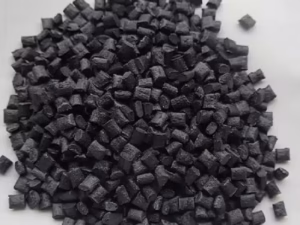
Form: Fine powder (10–150 µm), granule, or pre-cured film
-
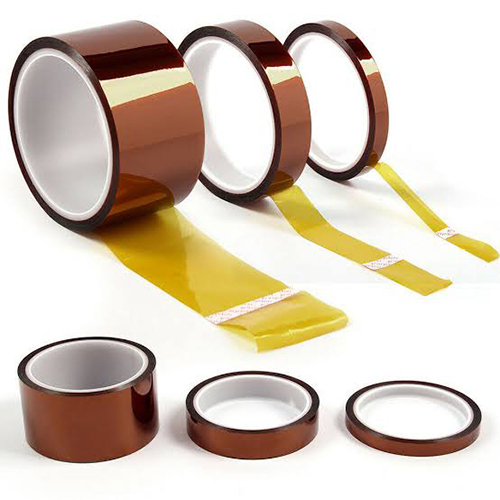
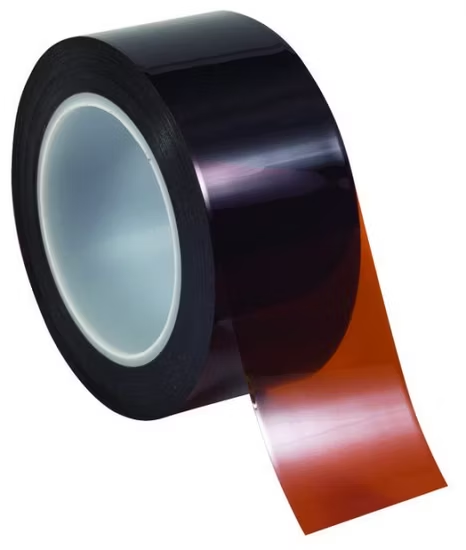
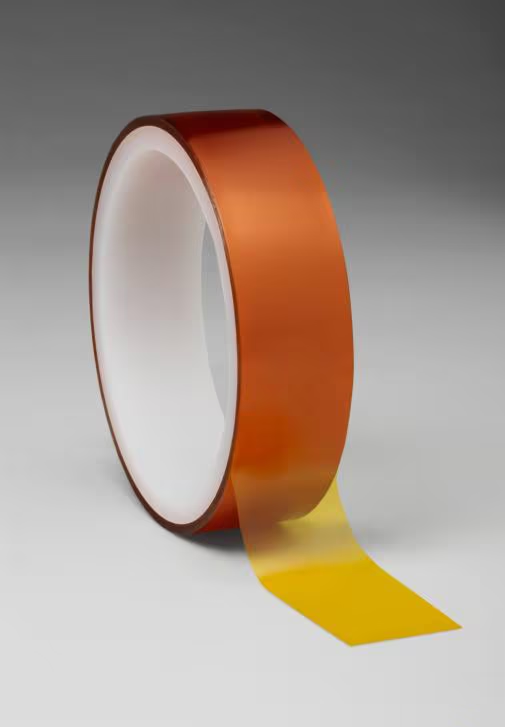
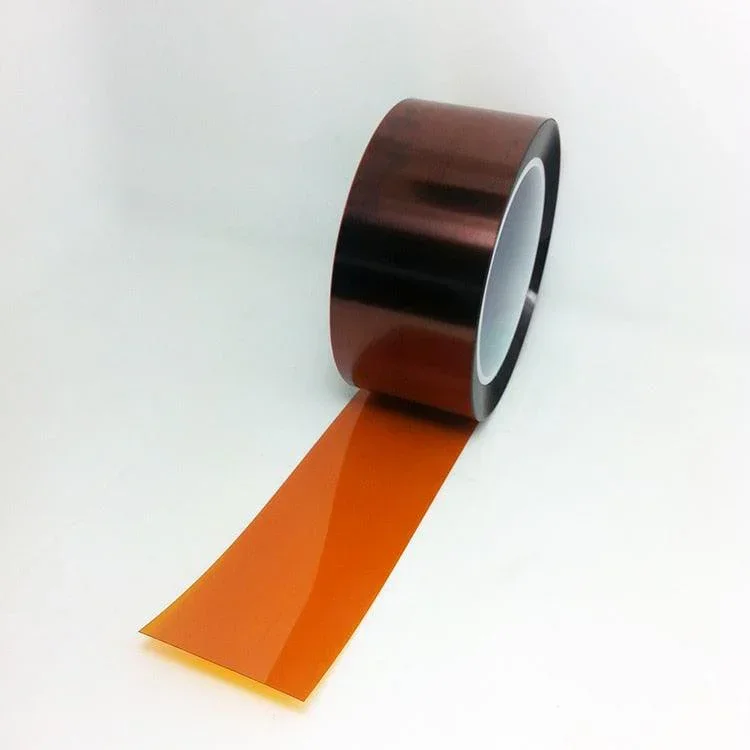
Color: Pale yellow to amber (cured); tan for pre-polymer powder
-
Density: 1.38–1.43 g/cm³ (cured)
-
Glass transition temperature (Tg): 310–410°C depending on backbone rigidity
-
Decomposition temperature (Td, 5% weight loss): ≥560°C in nitrogen
-
-
Packaging options: Hermetically sealed aluminum-lined bags (5 kg, 10 kg) + fiber drums; vacuum-sealed for oxygen/moisture-sensitive grades; desiccant included
-
Shelf life: 12 months (unopened, stored 15–25°C, <50% RH); re-qualification possible up to 18 months
3. Core Industrial Applications
-
Aerospace & defense: Wire and cable insulation (MIL-W-81381/11), structural composites for engine nacelles, radome substrates. Why superior: Withstands 300°C continuous vs. 200°C for PEI/PEEK; non-flammable (LOI >44%).
-
Semiconductor & electronics: Flexible heater substrates, chip probe sockets, high-density interconnects, wafer handling end effectors. Advantage: Ultralow outgassing (NASA outgassing <0.1% TML) and dielectric constant stable from −269°C to 400°C.
-
Oil & gas downhole tools: Insulating sleeves for logging-while-drilling (LWD) tools, high-pressure/high-temperature (HPHT) seals. Efficiency gain: Extends service life 3× over fluoropolymers at 230°C in sour gas environments.
-
Automotive (EV/HEV): EV drive motor slot liners, inverter busbar insulation, battery cell separators. Cost advantage: Enables 800V architecture without creepage failures, reducing cooling requirements by up to 30%.
4. Competitive Advantages
-
Quality consistency: ISO 9001:2025 and AS9100D certified; batch-to-batch viscosity and Tg variation <±2%. Every lot includes FTIR and DSC traceability.
-
Supply reliability: Dual-source raw material strategy with 6-month rolling forecast inventory; typical lead time 15–20 days for standard grades; expedite available for critical customers.
-
Logistics capability: Hazard Class 9 (UN3077) compliant packaging; global distribution hubs (Americas, EMEA, APAC) reduce landed cost variability.
-
Price competitiveness: Tiered pricing based on annual volume (1–20 MT → $85–115/kg; >20 MT → <$70/kg) compared to incumbent suppliers at $130–180/kg for equivalent aerospace grade.
-
Sustainability: REACH and RoHS compliant; water-based polyamic acid precursors available upon request, reducing solvent waste by 70%.
-
Technical support: Dedicated applications engineering team; full material datasheets, processing guides (compression molding, injection molding, solvent casting), and failure analysis included with first order.
5. Commercial & Supply Information
-
Minimum Order Quantity (MOQ): 100 kg (standard powder grade); 500 kg (semiconductor grade)
-
BULK 20MT Loading capacity: 20 MT per 20-ft standard dry container (net weight, packed in 20 kg fiber drums, 1,000 drums per container)
-
Bulk density note: For powder grades with particle size <50 µm, maximum loading is 18 MT per 20-ft container due to tapped density constraints. Pre-compacted granules achieve 20 MT.


Reviews
There are no reviews yet.