
Description
-
Product Overview
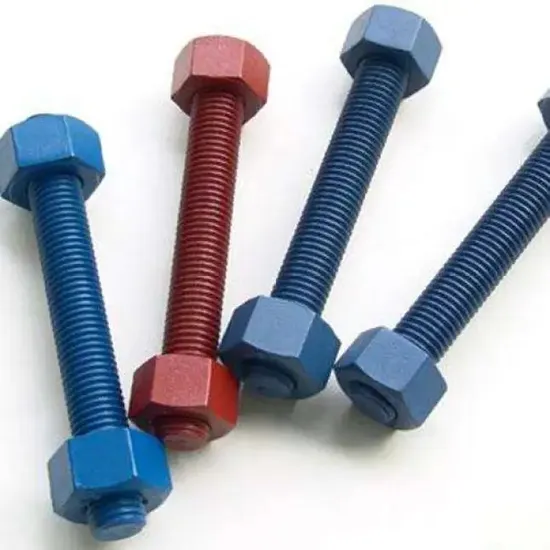
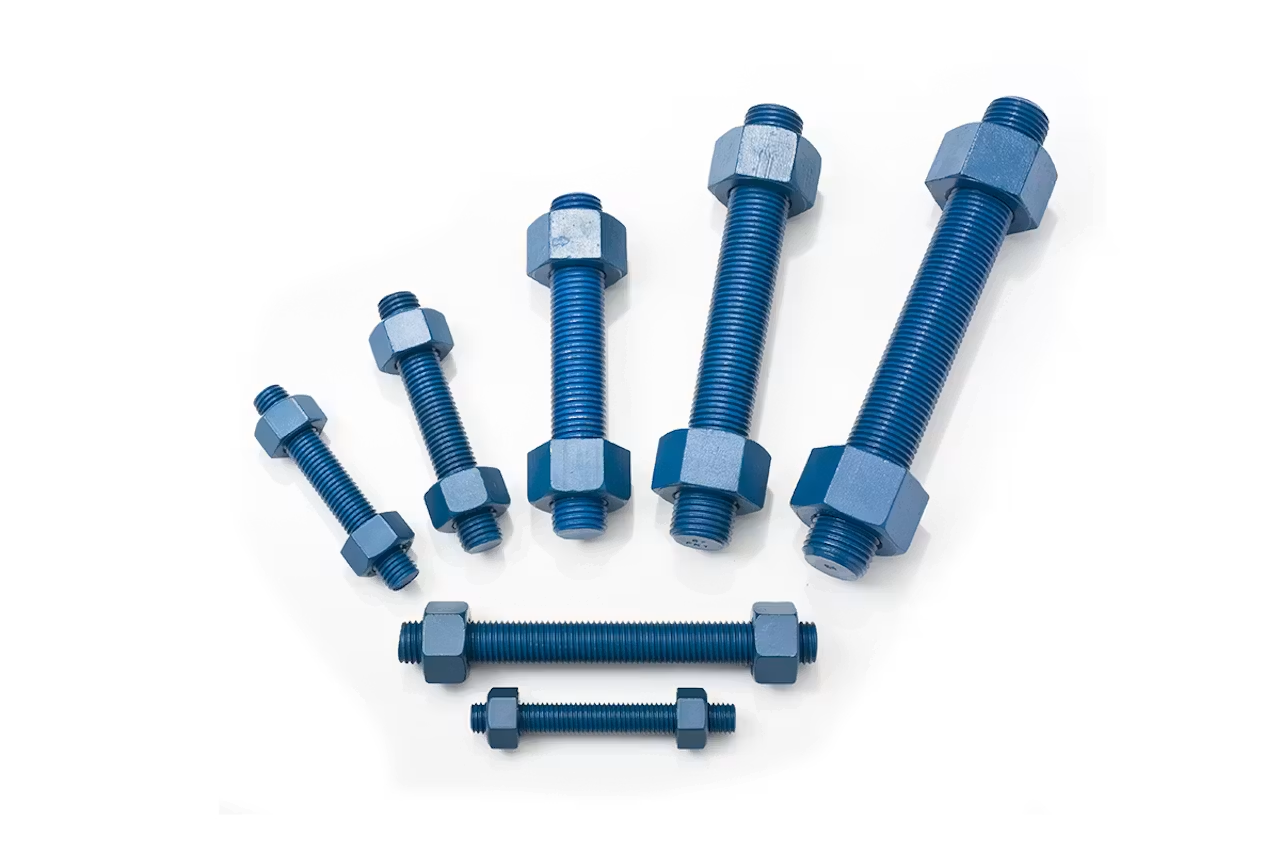
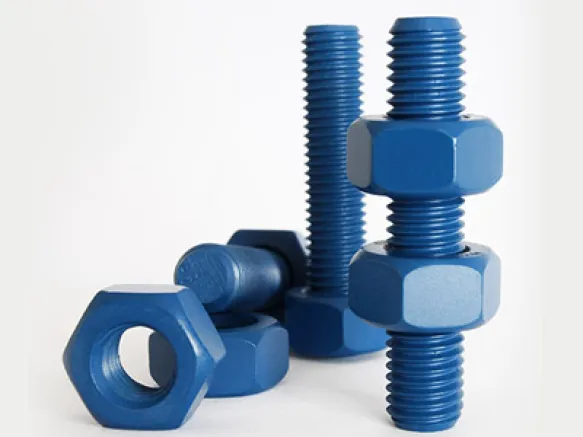
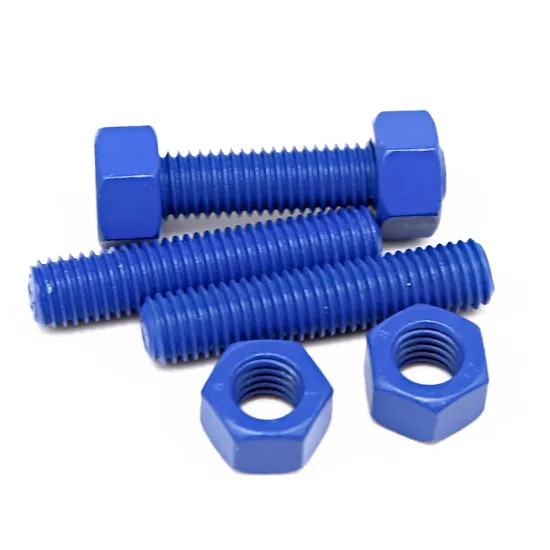
High Temperature B7M Stud Bolt Kit (Hydrogen service) is a precision-engineered bolting solution specified for high-pressure, high-temperature (HPHT) hydrogen and other aggressive gas services. Designed for critical flange and pressure-retaining joint assemblies, this kit combines a corrosion-resistant B7M alloy with hydrogen-compatibility features to minimize embrittlement risk while preserving mechanical strength at elevated temperatures. The product delivers reliable clamping integrity, extended service life, and predictable torque-tension behavior under extreme operating conditions—making it a strategic choice for operators seeking to reduce unplanned downtime and maintenance costs. Its specification-focused design and manufacturing traceability position it as an enterprise-grade component for safe, code-compliant hydrogen infrastructure and high-temperature process plants.
-
Key Specifications & Technical Characteristics
-
Material: ASTM A193 Grade B7M high-strength alloy steel (heat-treated, quenched and tempered), with optional surface finishes for hydrogen service (e.g., inert metallic diffusion coatings, PTFE-lubricated thread compound, or passivated finish).
-
Chemical composition: Typical alloying elements include nominal C, Mn, Si, P, S, Cr, Mo per B7M specification (full mill certificate provided on order).
-
Mechanical properties: Specified minimum yield and tensile strengths per ASTM A193 B7M at room and elevated temperatures (mill test report with values at specified temperature ranges included).
-
Hydrogen compatibility: Manufactured and processed under hydrogen-service controls (reduced hydrogen charging during heat-treatment, controlled cooling, and optional post-heat-treatment stress relief) to reduce susceptibility to hydrogen embrittlement.
-
Hardness: Controlled hardness range to balance strength and ductility (hardness values supplied per batch).
-
Dimensional tolerance: Manufactured to ASME/ASME B16.5/B16.47 thread and length tolerances (custom dimensions available on request).
-
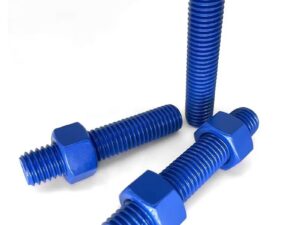
Physical characteristics: Threaded studs and nuts, manufacturer’s grade surface finish, standard lengths and diameters available per engineering drawings. Color/marking: heat-code and traceability stamping on each component.
-
Packaging: Industrial bulk wooden crates, palletized with anti-corrosion desiccant and VCI paper, shrink-wrapped; custom kitting available (per-bolt packaging, tagged with heat number and certificate).
-
Traceability & documentation: Full mill/test certificates (MTC), heat-treatment records, hydrogen-service processing log, material traceability, and torque-tension guidance supplied with each shipment.
-
Shelf life: Indefinite under recommended storage (dry, temperature-controlled warehouse); recommend protective packaging retained until installation.
-
Compliance: Manufactured to applicable ASTM/ASME standards and available with compliance documentation for NACE/ISO corrosion and hydrogen-service specifications on request.
-
Core Industrial Applications
-
Primary industries: Hydrogen production and distribution (electrolyzers, compression stations, transmission pipelines), petrochemical and refining (HPHT reactors and reformers), LNG and cryogenic facilities where high-temperature bolting is required, power generation (gas turbines, heat-recovery systems), and specialty chemical plants handling hydrogen-containing streams.
-
Specific operational use cases: Flange bolting on high-pressure hydrogen lines, bolted joints on high-temperature reactors, pressure vessel closures exposed to hydrogen-rich atmospheres, compressor and pump flanges, and critical maintenance spares for turnarounds.
-
Performance advantages vs. alternatives: The B7M alloy provides superior high-temperature tensile strength compared with standard alloy steels while hydrogen-ready processing reduces embrittlement risk versus conventional bolting. Engineered finishing and torque guidance improve joint reliability and reduce rework during commissioning.
-
Commercial relevance: By extending service intervals and reducing bolt failure incidents, the kit lowers lifecycle costs and improves asset availability—critical metrics for large-scale hydrogen projects and safety-focused industrial operators.
-
Competitive Advantages
-
Quality consistency: Manufactured under controlled heat-treatment and quality systems with full batch traceability and third-party inspection options.
-
Supply reliability: Production planning for bulk runs with prioritized scheduling for hydrogen projects; ability to hold safety stock and deliver serialized kits for large EPC programs.
-
Logistics capability: Export-ready packaging, container loading plans, and support for multimodal transport; export documentation and customs support available for global shipments.
-
Price competitiveness: Economies of scale on bulk orders and configurable kit options to balance initial procurement cost with life-cycle performance.
-
Sustainability: Material sourcing and processing options available to meet customer sustainability policies (reduced waste packaging, recyclable crates, and supplier environmental declarations on request).
-
Technical support: Engineering data pack included (torque-tension tables, installation best practices, hydrogen compatibility notes), with access to technical consultation for joint design, pre-load calculations, and onsite inspection protocols.
-
Risk mitigation: Hydrogen-service processing controls and documentation reduce operational and regulatory risk, supporting clients’ HSE and project assurance requirements.
-
Commercial & Supply Information
-
Minimum order quantity (MOQ): BULK 20 MT.
-
Loading capacity: MT per container — typical 20-foot container loading up to 20 MT (subject to packaging configuration and local container weight limits); 40-foot container loading up to 25–28 MT depending on palletization and crate sizes. Final container loading plan provided at order confirmation.
Reviews
There are no reviews yet.