
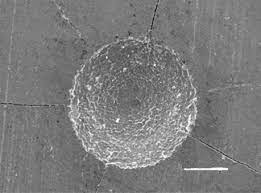
Description
1. Product Overview
High-entropy oxide ceramics (HEOs) are a new class of multi-principal cation oxide systems stabilized into a single-phase solid solution, offering exceptional thermodynamic stability and tailorable functional properties. Primarily used in thermal barrier coatings, solid-state electrolytes, and high-temperature structural components, these ceramics deliver superior phase stability and lower thermal conductivity than conventional zirconia or alumina-based systems. As next-generation materials for extreme environments—gas turbines, hypersonics, and advanced batteries—HEOs provide a strategic advantage by reducing failure rates and extending component lifecycle under corrosive, high-flux conditions.
2. Key Specifications & Technical Characteristics
-
Chemical composition / material components: 5+ equimolar or near-equimolar transition metal oxides (e.g., (Mg,Co,Ni,Cu,Zn)O; (Gd,La,Nd,Sm,Y)₂O₃); customizable cation ratios per application
-
Purity level or grade: ≥99.5% (standard grade); ≥99.9% (premium electronic/coating grade)
-
Physical characteristics:
-
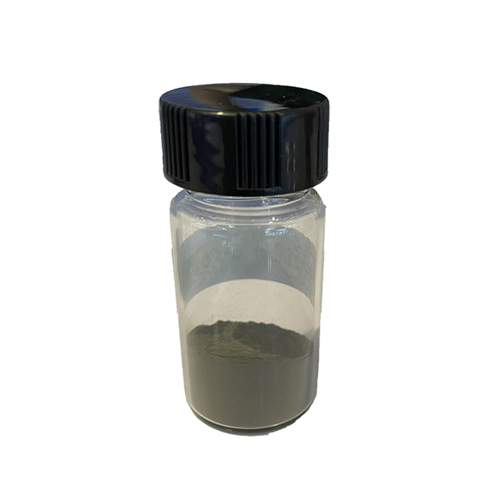
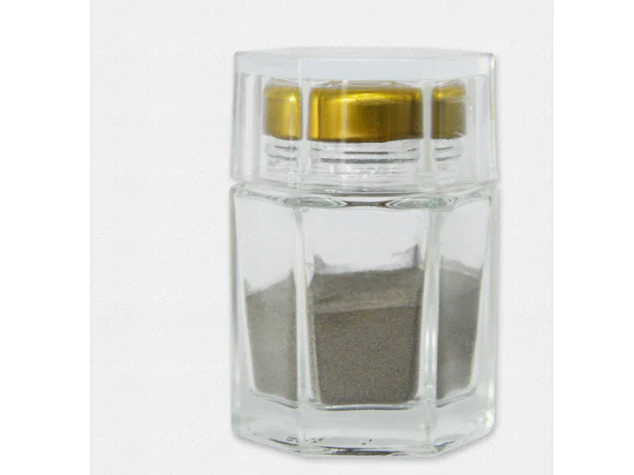
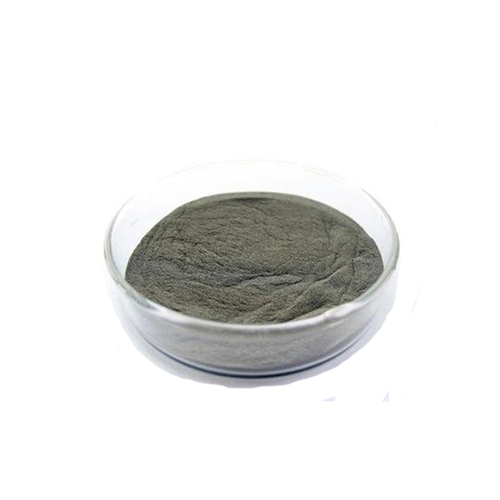
Form: Micronized powder (spherical or irregular), pressed pellets, or sintered targets
-
Color: Off-white to dark grey (dependent on transition metal content)
-
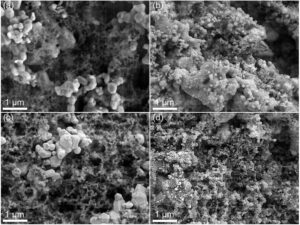
Particle size (D50): 0.5–5 μm (powder); 100–500 μm (spray-dried agglomerates for thermal spray)
-
Density: Theoretical density ≥92% (as-sintered); 4.5–7.2 g/cm³ depending on composition
-
-
Packaging options: Vacuum-sealed aluminum-lined bags (1 kg, 5 kg, 25 kg); HDPE drums with desiccant (50 kg, 200 kg); custom bulk bags
-
Shelf life: 24 months unopened under dry, inert atmosphere; no degradation if moisture ingress <0.1%
3. Core Industrial Applications
-
Aerospace & power generation (gas turbines, rocket nozzles): Applied as thermal barrier coating (TBC) via plasma spray. HEOs outperform 8YSZ by maintaining phase stability up to 1500°C with 30% lower thermal conductivity (1.2–1.8 W/m·K), directly reducing cooling air requirements and increasing turbine entry temperature.
-
Solid oxide fuel cells / batteries: Used as entropy-stabilized electrolytes or cathodes. Lower grain boundary resistance (Δ reduction ~40% vs. doped ceria) enables intermediate-temperature operation (500–700°C), improving system efficiency and lowering balance-of-plant costs.
-
High-temperature kiln furniture & crucibles: For processing corrosive molten metals or slags. HEOs exhibit near-zero leaching of individual cations, extending crucible life by 3–5× compared to alumina or magnesia.
4. Competitive Advantages
-
Quality consistency: Each batch verified by XRD (single-phase confirmation), ICP-OES (cation homogeneity within ±2 mol%), and laser diffraction particle sizing. Certificate of Analysis (CoA) included.
-
Supply reliability: Dual-source raw material strategy with on-hand safety stock of 50 MT. Lead time 3 weeks for standard compositions; 6 weeks for custom stoichiometries.
-
Logistics capability: Export-certified packaging for air (IATA-compliant) and sea freight; temperature/humidity data loggers available upon request.
-
Price competitiveness: Direct from high-throughput planetary milling and rotary calcination; price per kg 15–20% below European/US specialty producers at equivalent purity.
-
Sustainability: 100% water-based milling option; up to 30% recycled HEO scrap incorporated without property degradation; RoHS and REACH compliant.
-
Technical support: Full sintering profiles, coefficient of thermal expansion (CTE) matching data, and application-specific particle size optimization by in-house ceramic engineers.
5. Commercial & Supply Information
-
Minimum order quantity (MOQ): 20 kg (powder); 50 units (pellets/targets)
-
BULK 20MT loading capacity: 20 metric tons per 20-ft dry container (powder, packed in 500 kg bulk bags)
-
Loading capacity (MT per container):
-
20-ft container: 20 MT (max net weight, powder form)
-
40-ft container: 25 MT (restricted by axle weight limits for dense ceramics)
-

Reviews
There are no reviews yet.