
Description
1. Product Overview
Glycine Feed Grade is a high-purity, non-essential amino acid additive specifically manufactured to optimize protein utilization and support metabolic functions in livestock and aquaculture. Its primary industrial use is as a feed attractant, growth promoter, and buffering agent in compound feeds for poultry, swine, ruminants, and aquatic species. The key value proposition is a measurable improvement in feed conversion ratios (FCR) and intestinal health at a low inclusion cost. Beta-glucosidase, by contrast, is an enzyme for biomass breakdown—unrelated to glycine—but strategically, glycine feed grade is critical as the animal nutrition industry shifts toward antibiotic-free production and precision amino acid balancing.
2. Key Specifications & Technical Characteristics
-
Chemical composition: C₂H₅NO₂ (Glycine, Feed Grade); free amino acid, minimum 98.5% on dry matter basis
-
Purity level: ≥98.5% (Feed Grade); Chlorides ≤0.1%; Heavy Metals (as Pb) ≤20 ppm; Arsenic ≤2 ppm
-
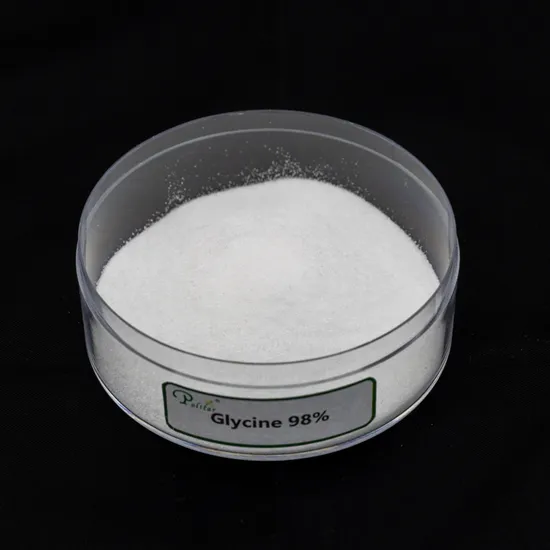
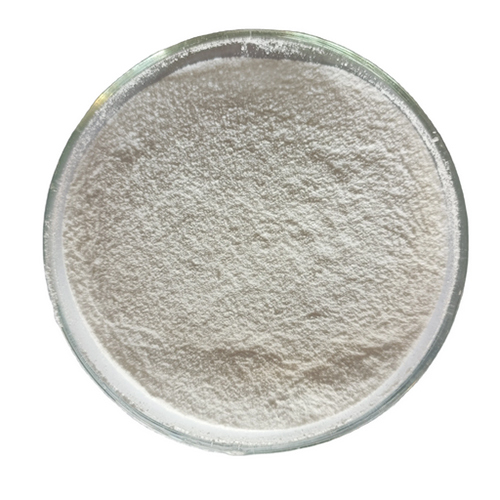
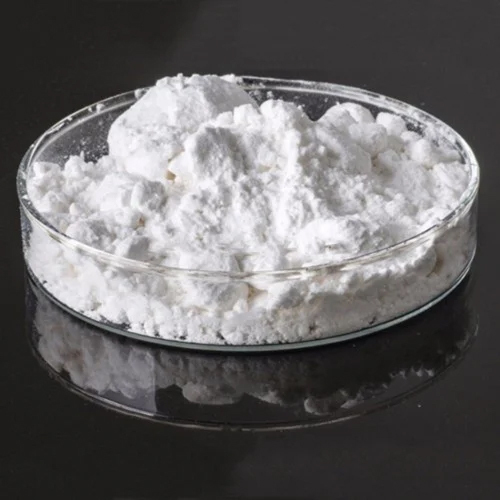
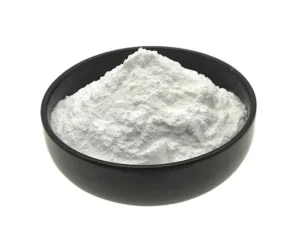
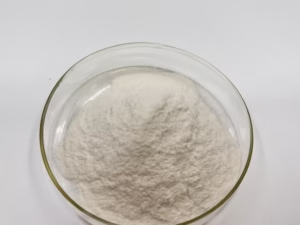
Physical characteristics: White to off-white crystalline powder; characteristic mild sweet taste; bulk density 0.65–0.85 g/cm³; particle size 100% through 80 mesh
-
Packaging options: 25 kg multi-wall kraft paper bags with PE liner; 500 kg and 1,000 kg jumbo bags; custom bulk bags available
-
Shelf life: 24 months from production date when stored in original unopened packaging below 30°C, away from moisture and direct sunlight
3. Core Industrial Applications
-
Poultry: Used at 0.1–0.5% of feed to improve gut mucosa integrity, reduce necrotic enteritis risk, and enhance feather development. Outperforms DL-methionine in palatability for starter diets.
-
Swine: Supplemented in weanling pig diets (0.2–0.8%) to mitigate post-weaning stress and diarrhea, replacing pharmacological zinc oxide with lower environmental load.
-
Aquaculture: Shrimp and finfish feeds include glycine (0.5–1.5%) as a potent chemoattractant, improving feed intake in high-plant-protein diets where natural marine attractants are reduced.
-
Ruminants: Used in transition cow diets to support liver function and glutathione synthesis, reducing ketosis risk. Cost advantage over rumen-protected methionine for this specific metabolic role.
4. Competitive Advantages
-
Quality consistency: ISO 22000 and FAMI-QS certified; each lot tested for heavy metals, residual solvents, and microbiological purity; <0.5% coefficient of variation between batches.
-
Supply reliability: Dedicated feed-grade production line (non-crossover with pharmaceutical or food grade) ensuring no cross-contamination; buffer stock maintained at 3 regional hubs.
-
Logistics capability: 48-hour dispatch for container orders; door-to-door tracking via digital platform; export-ready documentation (COA, Bill of Lading, Phytosanitary) provided automatically.
-
Price competitiveness: Direct-from-manufacturer pricing with no trader markup; volume-based tier discounts; long-term contract hedging available.
-
Sustainability: Manufactured via enzymatic process reducing energy use by 30% vs. chemical synthesis; 100% biodegradable packaging options available; supports lower nitrogen excretion in animal waste.
5. Commercial & Supply Information
-
Minimum Order Quantity (MOQ): BULK 20MT (one standard 20-foot container equivalent)
-
Loading capacity: 20MT per 20-foot dry container (25 kg bags palletized); 22MT per 20-foot container for jumbo bags (500 kg/1,000 kg)
Reviews
There are no reviews yet.