
Description
1. Product Overview
Glycerol (Glycerin) is a high-purity, trihydroxy alcohol widely used across chemical, pharmaceutical, food, and industrial manufacturing sectors as a versatile humectant, solvent, and intermediate. It plays a critical role in formulations requiring moisture retention, stabilization, and controlled viscosity, and is also increasingly relevant in advanced biochemical systems, including processes involving biocatalysts such as beta-glucosidase in specialized industrial applications. Its primary industrial value lies in its multifunctionality, safety profile, and compatibility with a wide range of organic and inorganic compounds.
From a strategic market perspective, glycerol is a foundational chemical in global supply chains, supporting demand in personal care, energy, pharmaceuticals, and green chemistry initiatives. Its consistent performance, renewable sourcing potential, and expanding downstream applications make it a highly resilient and strategically important commodity.
2. Key Specifications & Technical Characteristics
- Chemical Name: Glycerol (Propane-1,2,3-triol)
- Chemical Formula: C₃H₈O₃
- Purity Grades Available: 99.5% (USP/EP), 99.7% industrial grade, crude glycerin options
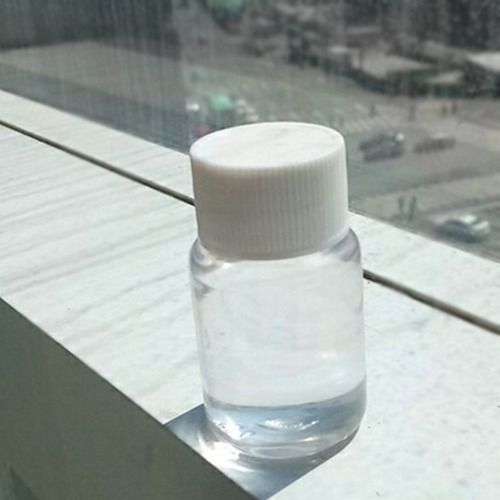
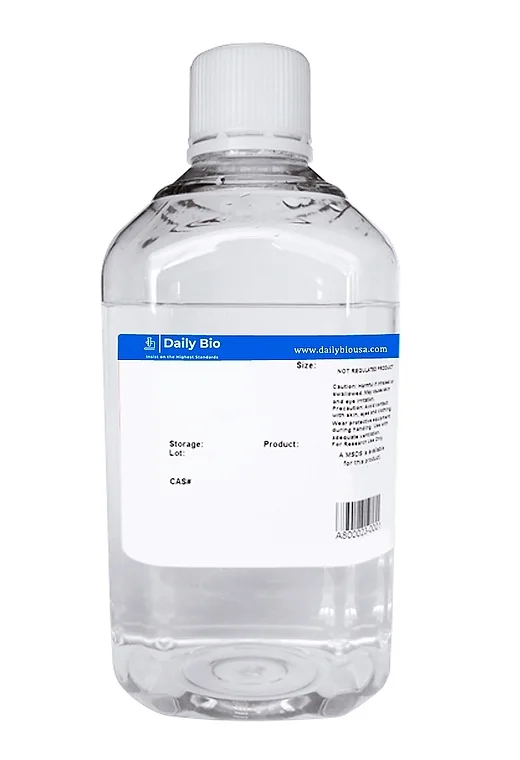
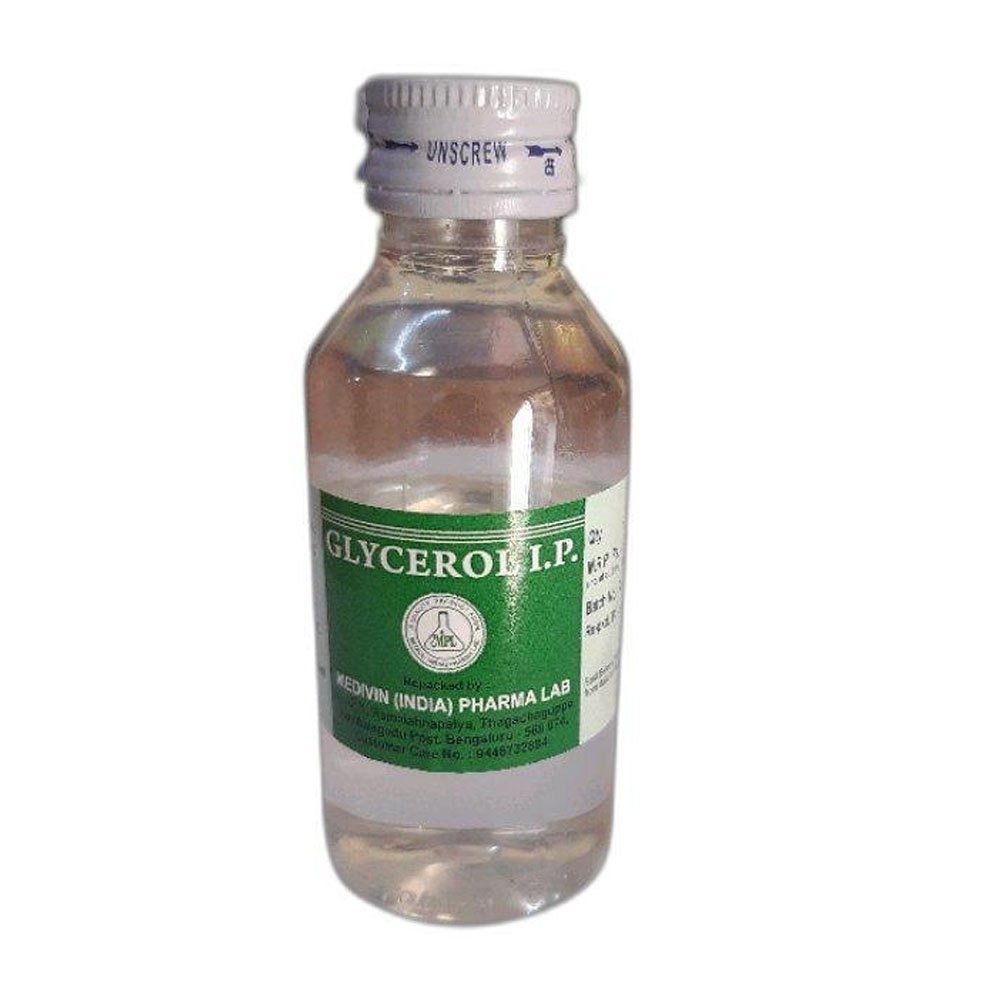
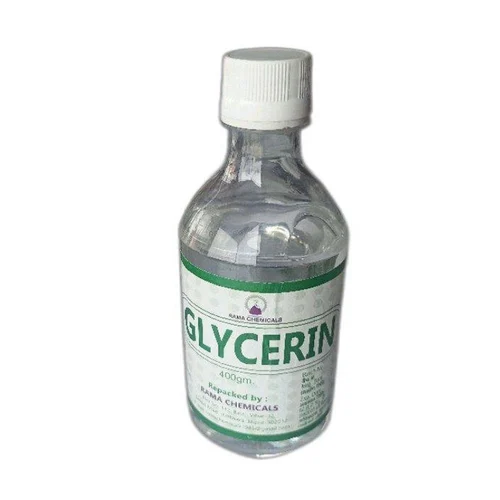
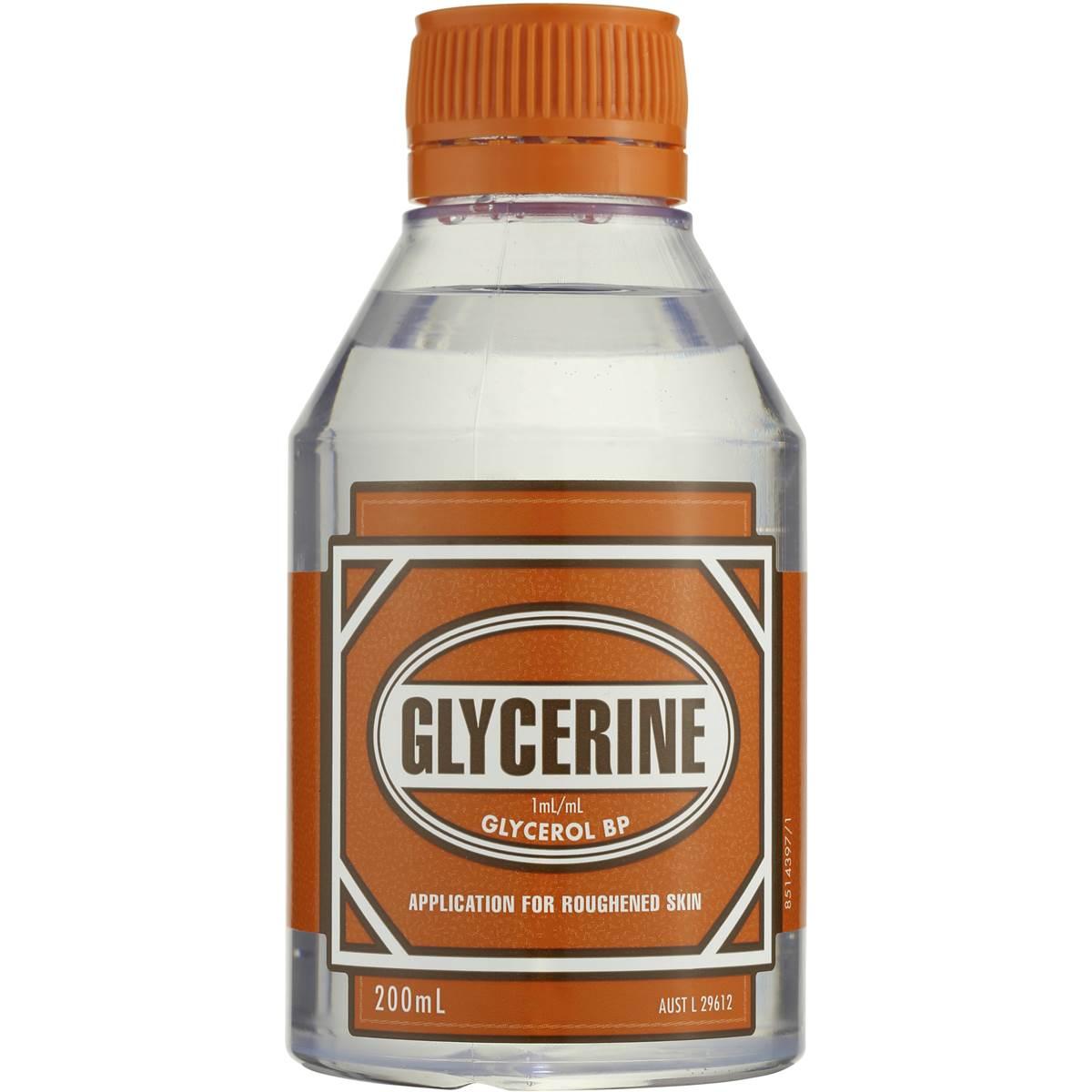
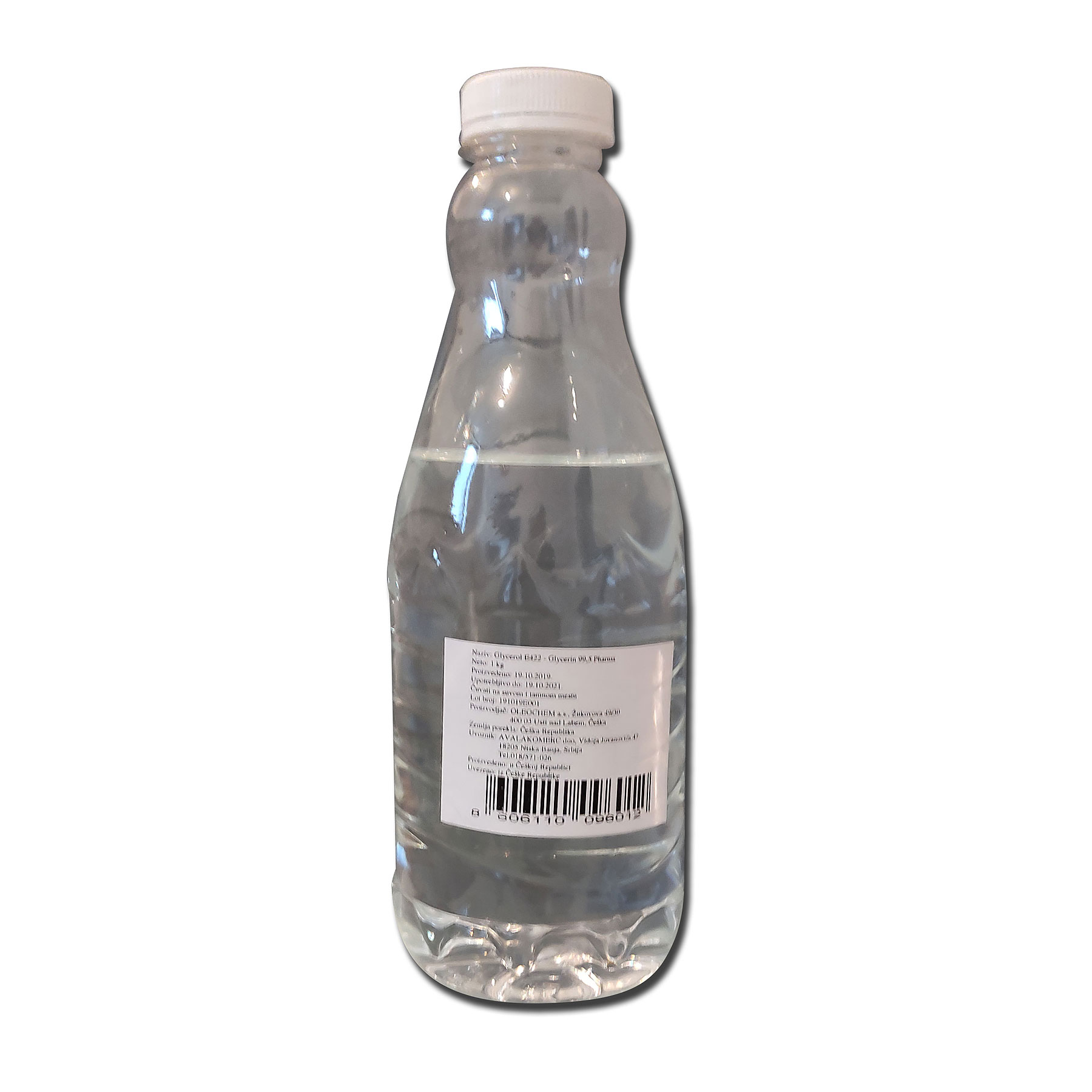
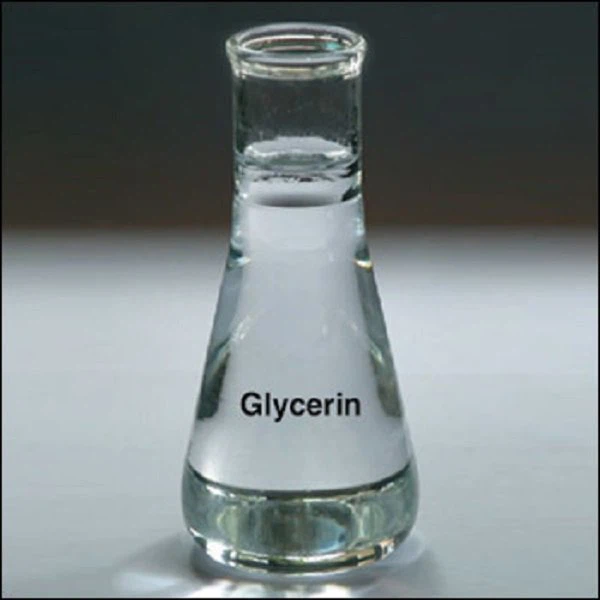
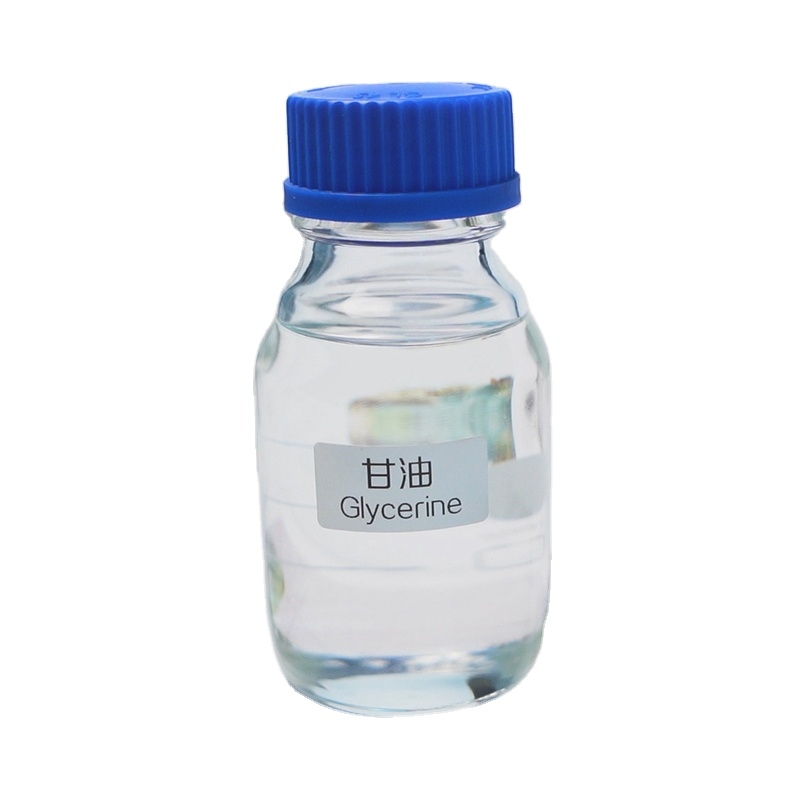
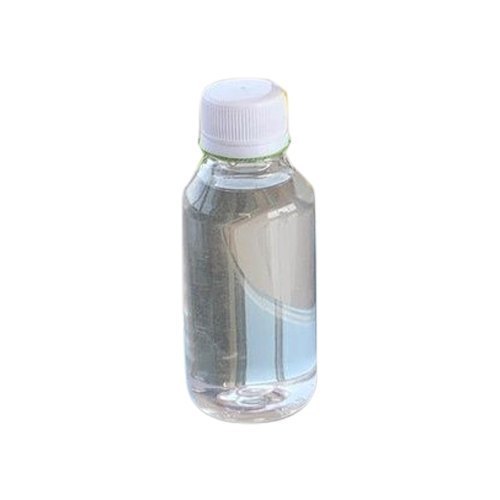
- Appearance: Clear, colorless, viscous liquid
- Odor: Odorless
- Density: ~1.26 g/cm³ at 20°C
- Solubility: Fully miscible with water and alcohols
- Moisture Content: ≤ 0.5% (refined grades)
- Packaging Options: 250 kg drums, 1,250 kg IBC totes, bulk ISO tankers
- Shelf Life: 24–36 months under proper storage conditions
- Storage Conditions: Cool, dry, well-ventilated environment away from direct sunlight
3. Core Industrial Applications
Glycerol is a critical input across multiple high-value industries:
- Pharmaceutical Industry: Used in syrups, ointments, and drug delivery systems as a solvent and stabilizer
- Cosmetics & Personal Care: Moisturizers, lotions, soaps, toothpaste, and hair care formulations for hydration and texture enhancement
- Food & Beverage: Humectant, sweetener, and preservative in processed foods and beverages
- Chemical Manufacturing: Intermediate in production of resins, polyols, and alkyds
- Industrial & Energy Applications: Used in antifreeze formulations, lubricants, and biofuel production
Performance Advantage:
Glycerol offers superior moisture retention, chemical stability, and compatibility compared to many synthetic alternatives, while also supporting cost-efficient formulation scalability.
4. Competitive Advantages
- Consistent Quality: Strict quality control ensures batch-to-batch uniformity for industrial reliability
- Supply Reliability: Stable sourcing channels supporting large-scale, uninterrupted supply chains
- Logistics Efficiency: Available in bulk-ready formats optimized for global shipping and storage efficiency
- Cost Competitiveness: Economically efficient compared to synthetic polyols and alternative humectants
- Sustainability: Often derived from biodiesel by-products, supporting circular economy and green chemistry initiatives
- Technical Support: Full COA, MSDS, and regulatory documentation provided for compliance and industrial integration
5. Commercial & Supply Information
- Minimum Order Quantity (MOQ): Bulk 20 MT
- Loading Capacity:
- 20 ft Container: ~20–24 MT (depending on packaging type)
- 40 ft Container: ~24–26 MT (IBC optimized loads)
- Bulk ISO Tank: Up to 25 MT per unit
- Delivery Terms: FOB / CIF / CFR available upon request
- Supply Capability: Continuous bulk supply for long-term contracts and industrial procurement programs



Reviews
There are no reviews yet.