
Description
-
Product Overview
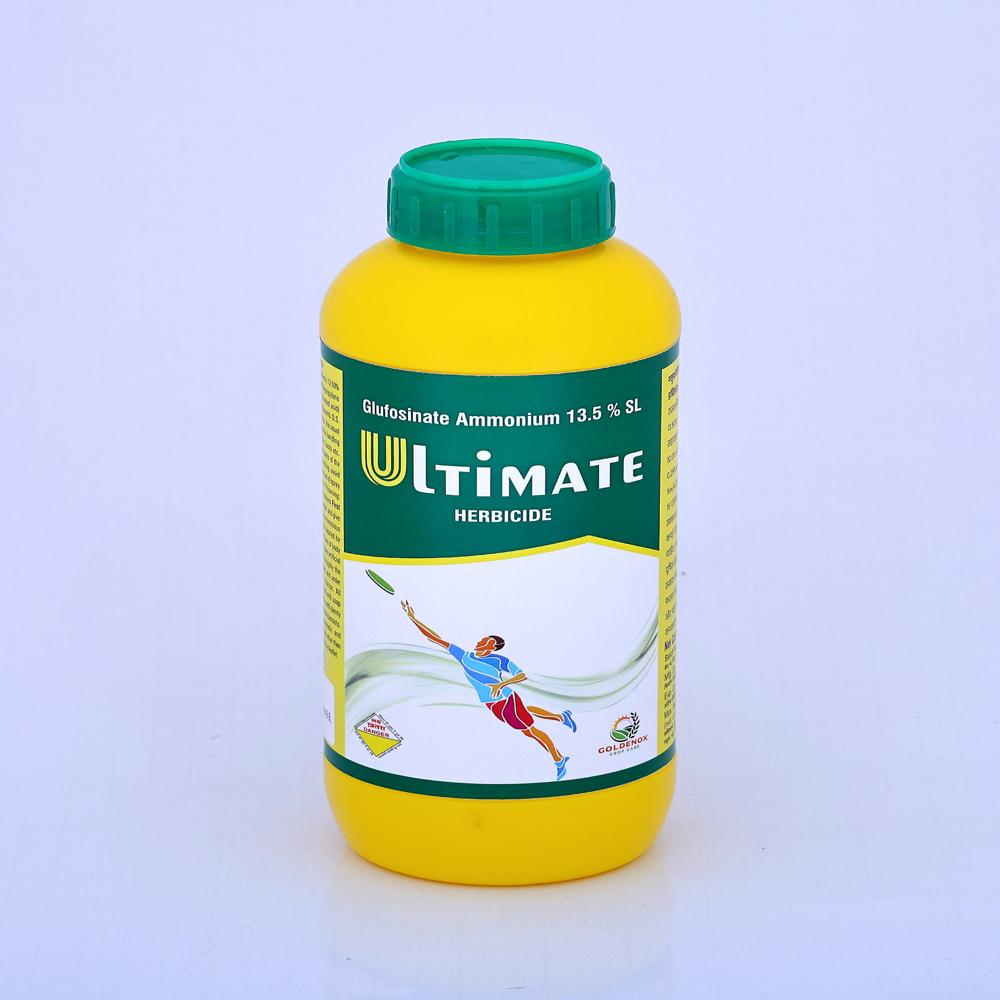
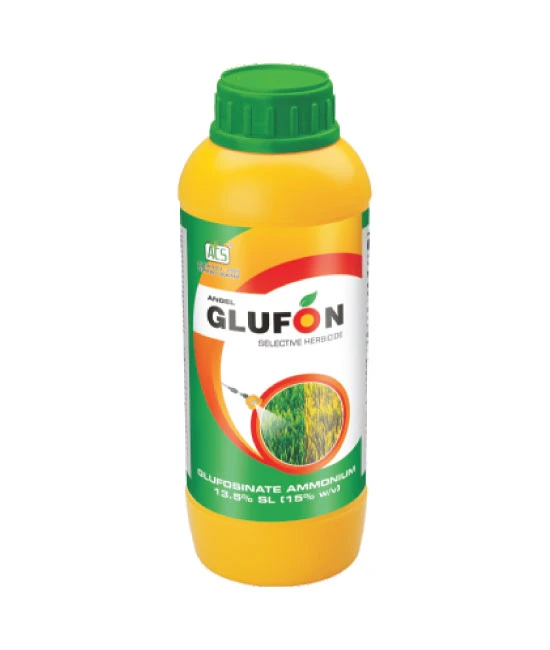
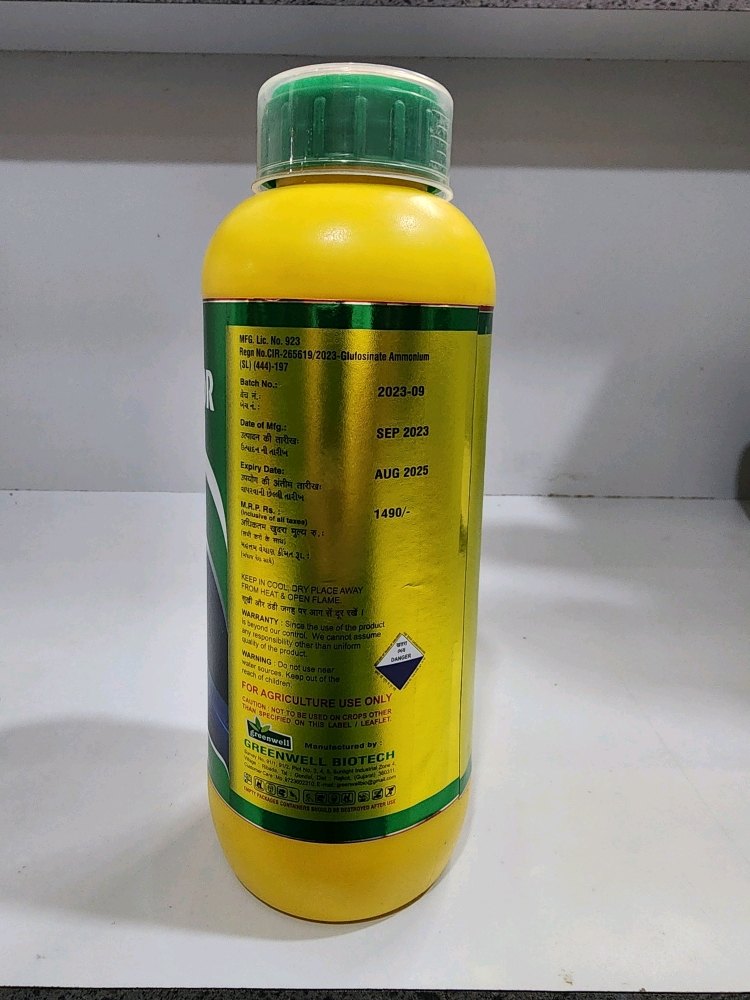
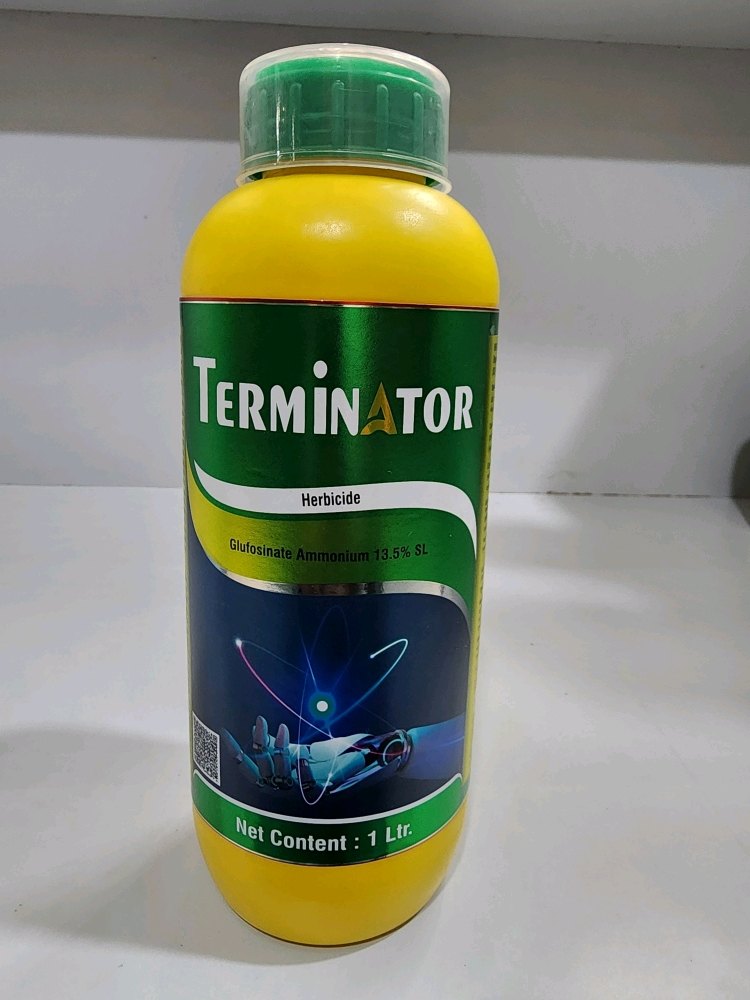
Glufosinate ammonium is a broad‑spectrum, non‑selective herbicidal active ingredient formulated for industrial agricultural and vegetation‑management applications. It is used primarily to control annual and perennial grasses, broadleaf weeds, and woody brush in row crops, orchards, fallow land, industrial sites, and non‑crop areas. The key value proposition is rapid, contact‑action weed control with minimal soil residual activity, enabling flexible application windows, reduced carryover risk, and simplified crop rotation planning. Strategically, glufosinate ammonium is important to integrated weed‑management programs where resistance management, regulatory compliance, and operational reliability are essential for large‑scale growers and commercial landscapers.
-
Key Specifications & Technical Characteristics
-
Chemical identity: Glufosinate ammonium (salt form of phosphinothricin; ammonium salt).
-
CAS number: 77182‑82‑2 (for reference).
-
Assay / active ingredient concentration: Typically supplied at industrial technical grade (specify batch assay on COA; e.g., ≥ 95% technical purity standard — confirm per lot).
-
Formulation / physical form: Technical concentrate (liquid) or formulated water‑soluble concentrate depending on customer selection.
-
Appearance: Clear to pale yellow liquid (technical); color may vary by formulation.
-
Density: Typical density ~1.12–1.18 g/cm³ (batch COA to confirm).
-
Solubility: Readily soluble in water; stable under recommended storage conditions.
-
pH: Product pH depends on formulation; COA provided with each shipment.
-
Impurities / by‑products: Monitored and reported on Certificate of Analysis (heavy metals, related substances).
-
Packaging options: 25 kg HDPE drums, 200 kg (or 220 kg) steel drums, IBC 1000 L, bulk ISO tank / tanker loading for large orders; custom packaging on request.
-
Shelf life: 12–24 months when stored sealed, dark, dry, between 5–30°C; refer to batch stability data on COA.
-
Documentation supplied: Certificate of Analysis (COA), Safety Data Sheet (SDS), Technical Data Sheet (TDS), regulatory compliance papers (export documents, customs HS code guidance).
-
Quality control: Full GMP‑style batch testing, traceable lot numbering, retained sample policy, third‑party testing available on request.
-
Core Industrial Applications
-
Commercial row crops and plantations: Desiccation/weed control in crops where non‑residual, contact activity is required, especially in crop‑rotation schemes that demand low soil persistence.
-
Vegetation management for infrastructure: Right‑of‑way, rail, pipeline, and utility corridor weed control where fast contact control and low residual risk reduce impact on surrounding ecosystems.
-
Orchard and vineyard management: Targeted post‑emergence control of weeds between rows without long soil persistence, enabling inter‑row planting and cover‑crop strategies.
-
Non‑crop and industrial sites: Airport grounds, industrial yards, and storage sites requiring reliable short‑term vegetation suppression.
-
Seedbed and pre‑plant preparation: Rapid burndown of green cover prior to tillage or planting windows.
Why it outperforms alternatives: -
Rapid contact action reduces regrowth and allows quicker follow‑up operations.
-
Minimal soil residual activity lowers risk of next‑season crop damage and simplifies rotation decisions.
-
Effective against glyphosate‑resistant biotypes when used as part of an integrated program.
-
Flexible application timing and compatibility with mechanized spray systems improve operational throughput and labor efficiency.
-
Competitive Advantages
-
Quality consistency: Industrial quality control with lot‑level COA and retained sample programs to ensure repeatable assay and impurity profiles.
-
Supply reliability: Dedicated production allocations and export logistics planning for consistent delivery across planting seasons and project timelines.
-
Logistics capability: Packaged for multimodal transport (road, sea, ISO tank), scalable loading solutions (drums, IBCs, bulk), and experienced export documentation handling for major trading corridors.
-
Price competitiveness: Tiered pricing for long‑term contracts, volume discounts, and optimized bulk loading to reduce landed cost for large industrial buyers.
-
Sustainability considerations: Low soil persistence supports reduced environmental carryover; supplier can provide regulatory and stewardship guidance for compliant, safe use and disposal.
-
Technical support: Pre‑sale formulation guidance, application rate recommendations, mixing compatibility data, and post‑sale assistance; full SDS and TDS provided with each shipment.
Positioning statement: Purchasing glufosinate ammonium from a reliable industrial supplier is a strategic sourcing decision that balances efficacy against resistant weeds, operational flexibility, and supply chain stability—critical for large agricultural enterprises and infrastructure managers.
-
Commercial & Supply Information
-
Minimum order quantity (MOQ): BULK 20 MT.
-
Loading capacity (typical):
-
20 MT per 20-foot container (packed in drums/IBCs depending on packaging density).
-
Up to ~24–25 MT per 20-foot container possible in optimized drum packing; ISO tank/tanker loads as per customer charter.
-
40‑foot container loading and multiple‑container shipments available for larger orders.
-
-
Lead times: Subject to current stock and contract terms; standard lead time guidance provided on inquiry with options for expedited allocation for seasonal demand.
-
Terms & documentation: Price on FOB/CIF/EXW basis (negotiable), COA, SDS, TDS, packing list, commercial invoice, and export certificates supplied.
-
Payment & logistics: Flexible payment terms for qualified buyers, supply contract options for multi‑season sourcing, and coordination of freight forwarding and customs clearance on request.
Reviews
There are no reviews yet.