

Description
1. Product Overview
Formic Acid (HCOOH) is the simplest carboxylic acid, widely recognized as a high-performance industrial chemical used across chemical synthesis, leather processing, textiles, agriculture, and rubber production. It serves as a strong organic acid and reducing agent, offering exceptional versatility in both manufacturing and downstream processing applications. Its high reactivity and biodegradability make it a strategically important alternative to more hazardous inorganic acids in select applications.
In global markets, Formic Acid plays a critical role in improving process efficiency, product preservation, and pH control across multiple industries. Its ability to act as both a preservative and chemical intermediate gives it strong demand resilience. (Note: “Beta-glucosidase” is not chemically or commercially related to Formic Acid and is not applicable to this product.)
2. Key Specifications & Technical Characteristics
- Chemical Formula: HCOOH
- Chemical Composition: ≥ 85% / 90% / 94% / 99% Formic Acid (industrial grades available)
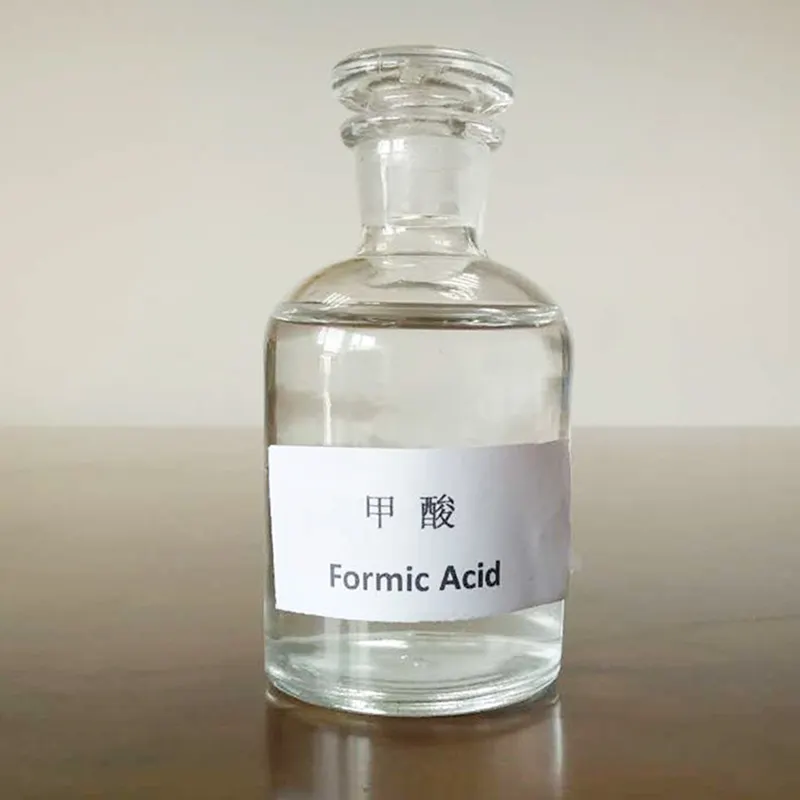
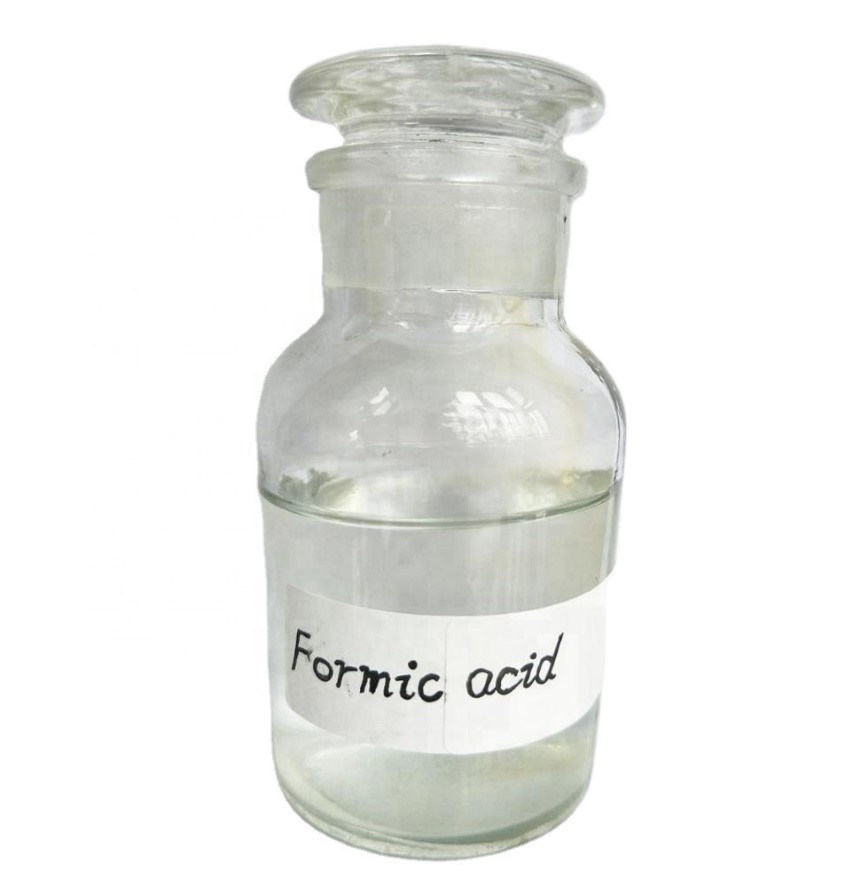
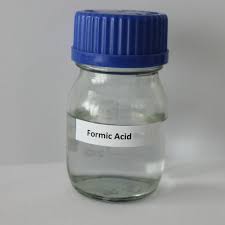
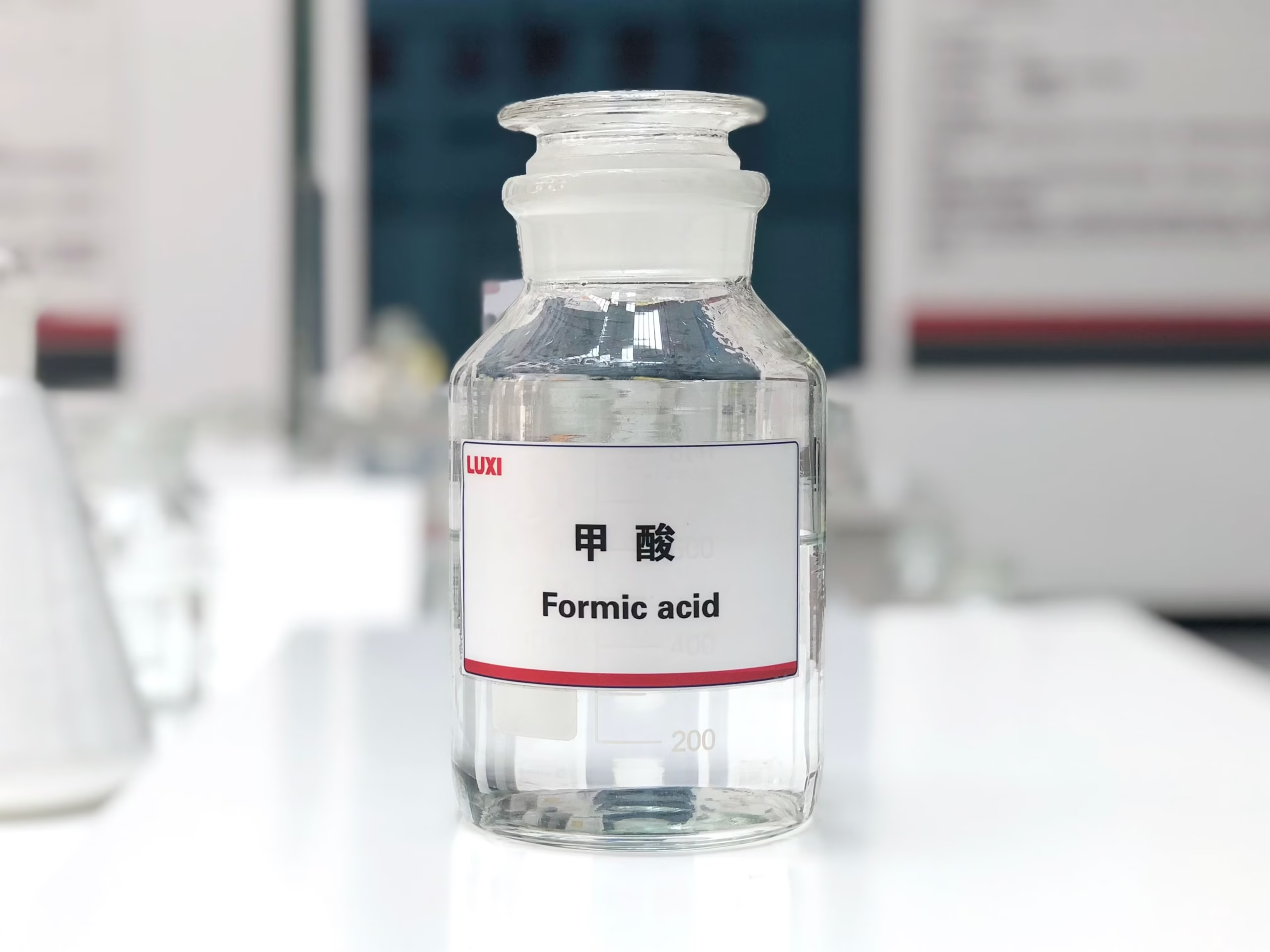
- Appearance: Colorless, transparent liquid
- Odor: Pungent, characteristic acidic smell
- Density: ~1.22 g/cm³ (at 20°C, 85–90% solution)
- Purity Grades: Industrial grade, feed grade, pharmaceutical/intermediate grade (depending on application)
- Solubility: Fully miscible with water, alcohols, and many polar solvents
- Packaging Options:
- 25 kg drums
- 250 kg HDPE drums
- 1200 kg IBC totes
- Bulk ISO tank shipments
- Shelf Life: 12–24 months under recommended storage conditions (cool, dry, ventilated area)
3. Core Industrial Applications
Formic Acid is widely used across high-demand industrial sectors due to its strong acidity, antimicrobial properties, and chemical versatility:
- Textile Industry: Used in dyeing and finishing processes for pH regulation and color fixation efficiency
- Leather Processing: Essential in tanning operations for de-liming and pH adjustment
- Agriculture: Acts as a silage preservative and antibacterial agent in livestock feed preservation
- Chemical Manufacturing: Intermediate in synthesis of formate esters, formamides, and specialty chemicals
- Rubber Industry: Coagulation agent in natural rubber production for improved yield quality
- Pharmaceutical & Laboratory Use: Used as a reagent and intermediate in fine chemical synthesis
Its superior biodegradability, fast reaction kinetics, and cost-efficient processing performance make it a preferred alternative to stronger mineral acids in controlled industrial systems.
4. Competitive Advantages
- High Purity & Consistency: Tight quality control ensures stable performance across all industrial batches
- Reliable Global Supply Chain: Scalable sourcing and consistent production capacity for bulk industrial demand
- Efficient Logistics Handling: Compatible with standard chemical transport infrastructure (drums, IBCs, ISO tanks)
- Cost-Effective Chemical Performance: High reactivity reduces required dosage and operational cost per cycle
- Environmental Advantage: Biodegradable organic acid with lower environmental persistence compared to inorganic alternatives
- Technical Documentation Support: Full COA, MSDS, and compliance documentation available for industrial procurement teams
- Application Flexibility: Suitable for multi-industry integration with minimal process modification
5. Commercial & Supply Information
- Minimum Order Quantity (MOQ): BULK 20 MT
- Loading Capacity:
- 20–22 MT per 20ft container (depending on packaging type)
- Up to 24–25 MT in bulk ISO tank configurations
- Delivery Terms: FOB / CIF / CFR available upon request
- Supply Capability: Continuous large-volume supply for long-term industrial contracts
- Customization: Bulk concentration and packaging customization available for enterprise buyers

Reviews
There are no reviews yet.