
Description
Product Overview
Flupyradifurone is a next-generation systemic insecticide formulated for foliar, soil and seed treatment in large-scale agricultural and commercial crop protection programs. It provides rapid, long-lasting control of sucking pests (e.g., aphids, whiteflies, thrips) via a selective nicotinic receptor modulator mode of action, while demonstrating favorable pollinator safety under standard field-use patterns. The key value proposition is high efficacy combined with reduced non-target risk and flexible application modes, making it strategically important for integrated pest management (IPM) programs and for growers seeking resistance-management options and stewardship-compliant inputs.
Key Specifications & Technical Characteristics
-
Active ingredient: Flupyradifurone (IUPAC: 4-[(6-chloro-3-pyridyl)methyl]furan-2(5H)-ylidene]amino]oxy]butyronitrile or equivalent registrable technical-grade formulation).
-
Formulation types: Technical concentrate (TC, ≥ 95% a.i.), suspension concentrate (SC), water‑dispersible granule (WG), or soluble concentrate (SL) depending on buyer specification.
-
Purity / grade: Technical grade ≥ 95% a.i.; formulation grade per specification (typically 200–500 g a.i./L for liquid SC, or 20–300 g/kg for solid formulations).
-
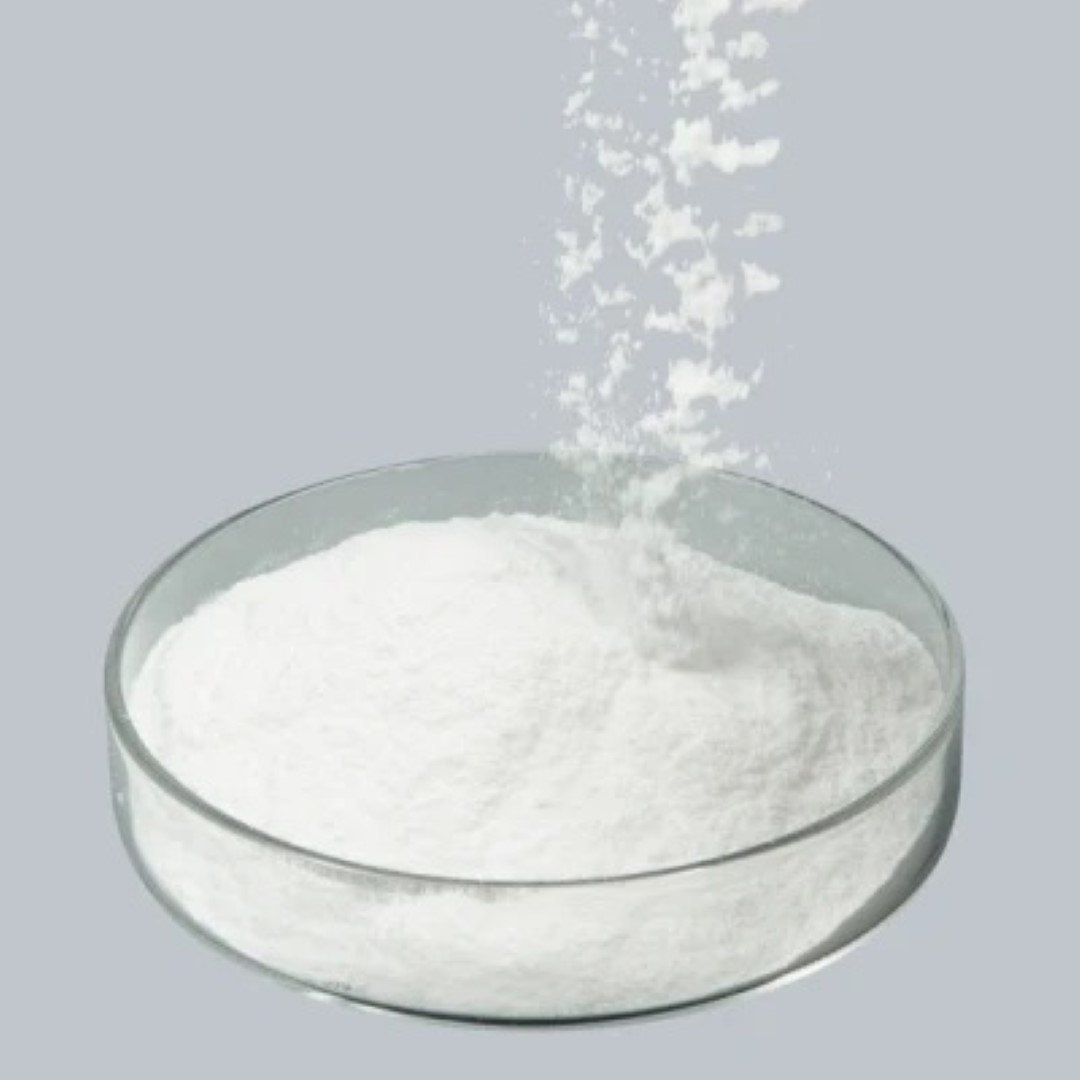
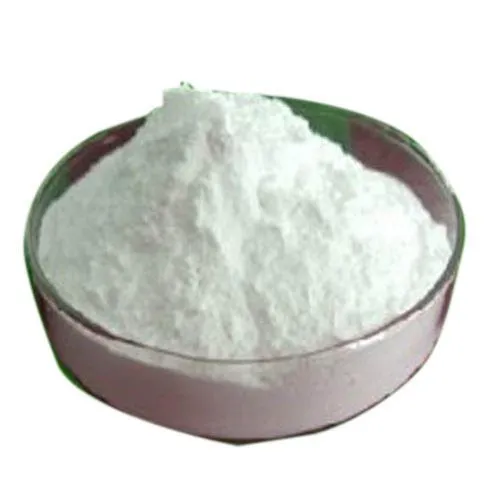
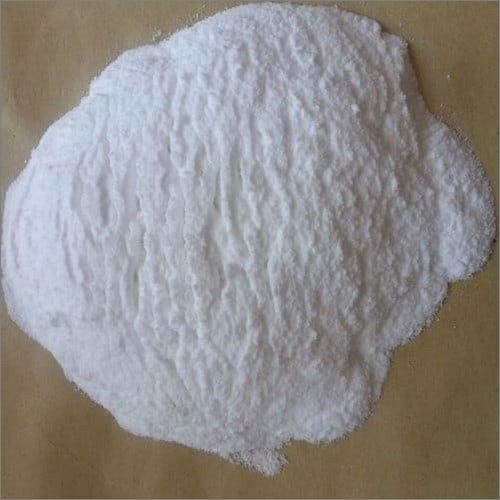
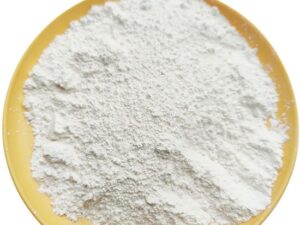
Physical state: Solid crystalline technical (white to off-white crystalline powder) for TC; finished formulations: liquid (viscous opalescent to clear suspension) or granules.
-
Melting point / thermal stability: Technical-grade melting point typically in crystalline range (provide specific batch certificate for exact value).
-
Particle size (for WG/TC milling specs): median particle diameter (D50) customizable to 10–50 µm to meet application and drift-control requirements.
-
Bulk density (TC/solid): typically 0.5–0.8 g/cm3; bulk density for granules dependent on carrier.
-
Solubility: low to moderate in water as a free technical; formulation designed to achieve target dispersion/solubility.
-
Stability: stable under recommended storage conditions; specify batch certificate for detailed stability profile.
-
Packaging options: 20 kg drums, 25 kg multiwall bags, 200 kg / 250 kg steel drums, 1,000 kg IBCs, and 20 MT bulk palletized containers; customized industrial packaging available.
-
Shelf life: 24 months for technical material when stored in original sealed containers under cool, dry conditions; confirm in CoA.
-
Regulatory: supplied with Certificate of Analysis (CoA), Safety Data Sheet (SDS), and regulatory dossier excerpt upon request; compliance with major market tolerances depends on buyer country registration.
-
Traceability: batch numbering, manufacturing date, and packing list provided for each shipment.
Core Industrial Applications
-
Primary industries: commercial agriculture (row crops, vegetables, fruits, ornamentals), seed treatment producers, crop protection formulators, and agribusiness distributors.
-
Operational use cases:
-
Foliar spray programs targeting sap-sucking pests in high-value crops (e.g., fruit orchards, vegetables, greenhouse ornamentals).
-
Soil and drench applications for systemic protection via root uptake.
-
Seed treatment integrations in commercial seed processing to protect early-stage seedlings.
-
Formulation into SC, WG or SL end-products by registered formulators and registrants.
-
-
Why it outperforms alternatives:
-
Efficacy: provides fast knockdown and sustained control at lower application rates versus many older chemistries.
-
Resistance management: distinct mode of action that can be integrated into rotation programs to mitigate resistance pressure.
-
Pollinator and beneficial profile: comparatively favorable impact on bees and many beneficial arthropods when used per label guidance, supporting stewardship and market acceptance.
-
Operational flexibility: multiple formulation pathways and application modes reduce logistical complexity for supply chains.
-
-
Commercial relevance: lowers crop loss risk, reduces re-application frequency, and supports premium crop quality for export markets that require strong IPM and residue stewardship.
Competitive Advantages
-
Quality consistency: stringent QA/QC with CoA for each lot, in-house analytical verification (HPLC/GC) to guarantee a.i. assay and impurity profile.
-
Supply reliability: dedicated production capacity, scheduled batch allocations for bulk customers, and contract manufacturing options to secure supply during peak seasons.
-
Logistics capability: export-ready packaging options, containerized bulk loading for 20 MT per 20-ft container (palletized), and 24–48 hour order processing for stocked items; specialist handling for hazardous goods and customs documentation support.
-
Price competitiveness: scalable pricing tiers for MOQ and long-term supply contracts, competitive FOB/CIF quotes tailored to contract volumes and Incoterms.
-
Sustainability and environmental profile: designed for lower non-target toxicity relative to several legacy neonicotinoids when used per label; reduced required application rates contribute to lower lifecycle input intensity. Supplier provides SDS and product stewardship guidance to support regulatory compliance and responsible use.
-
Technical support: application guidance, dose-response data, residue trial summaries (upon NDA/regulatory agreement), formulation compatibility testing services, and regulatory dossier support for registration submissions in purchaser jurisdictions.
Commercial & Supply Information
-
Minimum order quantity (MOQ): BULK 20 MT.
-
Loading capacity: Up to 20 metric tonnes per 20-foot container (palletized), or typically 24–25 MT per 40-foot container subject to packaging selection and weight limits. Confirm final loading plan per order.
-
Lead time: subject to stock status; typical lead time 2–6 weeks for production allocation on bulk orders; expedited options available for stocked formulations.
-
Payment & shipping terms: negotiable (standard options: L/C, TT, or open account for approved customers); Incoterms per contract.
-
Documentation provided: commercial invoice, packing list, CoA, SDS, phytosanitary/certificates of origin on request, and export packing details.
Reviews
There are no reviews yet.